
Asafoetida Benefits: Uses, Flavour and Storage
Hing is a pungent resin used by the pinch in Indian cooking. Here is how to use it, what the evidence says and how to store it well.
Key Takeaways
- Asafoetida (hing) is a dried plant resin used in tiny pinches to add savoury depth.
- Most household hing is compounded with wheat or rice flour, so check labels if avoiding gluten.
- Traditional use for gas and bloating has mostly lab and animal support, not strong human trials.
- Cooking amounts differ from supplement doses; avoid medicinal use in pregnancy without advice.
Asafoetida, known in Indian kitchens as hing, is a dried resin obtained from the roots of Ferula plants. It has a strong, sulphurous smell in the jar but turns mellow and savoury once it hits hot oil or ghee. Because pure resin is extremely potent and sticky, most household hing is sold as a compounded powder mixed with flour or starch. Asafoetida benefits are mainly culinary: a small pinch adds depth to dal, beans and vegetables, and gives an onion-and-garlic-like note to dishes that leave those ingredients out.
What hing powder contains
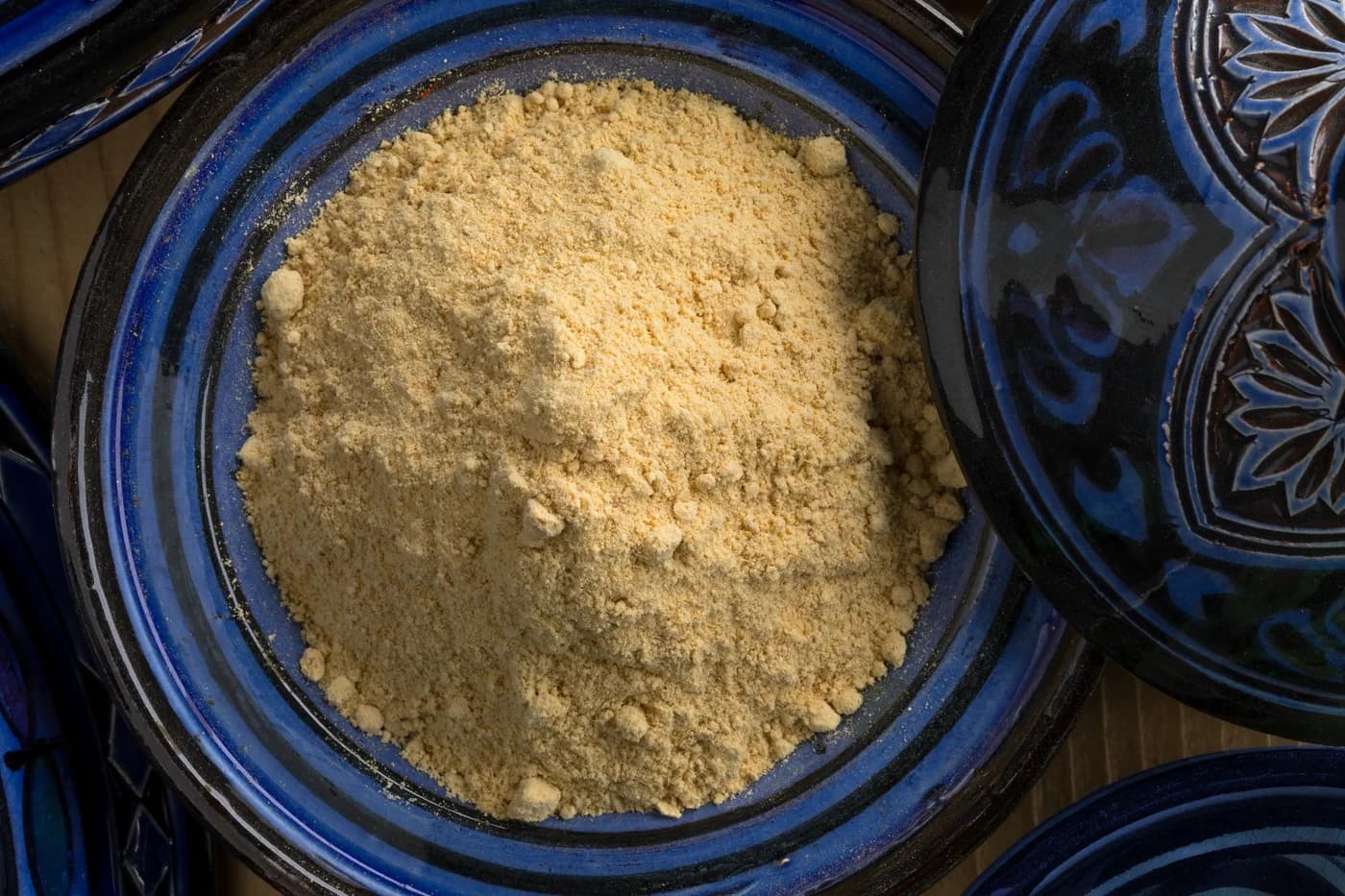
Pure resin is very strong, so manufacturers usually blend it with wheat flour, rice flour, gum arabic or another starch to make it easier to measure. Some products add turmeric, which gives a yellow colour. The ingredient list therefore matters for three reasons: flavour intensity, gluten content and allergy. Lumps of pure resin are also sold and need to be crushed or dissolved in a little warm water before use.
Possible benefits
- Adds a deep, savoury aroma with only a tiny quantity.
- Makes simple pulse and vegetable dishes taste more rounded.
- Offers an onion-and-garlic-like flavour for Jain, satvik or low-FODMAP style cooking that avoids those ingredients.
- Has a long history of use as a digestive aid in traditional medicine.
What the research says
Reviews of asafoetida describe its traditional use as a digestive aid and food condiment, and laboratory and animal studies report antimicrobial, antispasmodic, antioxidant and other activities. Most of this evidence is experimental. Good-quality human trials are scarce, so it is not possible to say how much a culinary pinch helps with gas, bloating or other symptoms. Hing is best seen as a flavouring that may make well-cooked pulses more enjoyable, not as a treatment.
Blooming hing in hot fat
Heat a small pinch briefly in oil or ghee at the start of a tempering (tadka). It should become fragrant within seconds; do not let it burn, or it will taste bitter. Add cumin, mustard seeds, curry leaves or other spices as the recipe requires, then pour the tempering over dal, kadhi or vegetables. Hing can also be stirred directly into simmering sambar or rasam.
Where it works best in Indian meals
Hing pairs naturally with rajma, chana, moong, arhar dal, urad dal, potatoes, cauliflower, pumpkin and pickles. It is a seasoning rather than a meaningful source of nutrients. For pulses, soaking, thorough cooking and sensible portions do more to reduce gas than any spice.
Using it without overpowering the dish
Begin with a small pinch for a family-sized pot, because too much hing tastes bitter and sulphurous. The right amount depends on the strength of the product and the total volume of the recipe. Pure resin needs far less than compounded powder. Adding more does not bring greater digestive value.
Compounded powder and gluten
People with coeliac disease or a wheat allergy should not assume any hing powder is gluten-free, since many brands use wheat flour. Look for a product clearly labelled gluten-free, usually compounded with rice flour, and consider the risk of cross-contact. Loose powder sold without a label does not give enough information.
Keeping the aroma inside the jar
Keep the container tightly sealed and, ideally, place it inside a second airtight jar so the smell does not spread to other foods. Use a dry spoon, store away from heat and light, and replace powder that has become damp, lumpy or unusually stale.
Who should take care
Culinary pinches are very different from supplement doses or concentrated home remedies. Avoid medicinal use of asafoetida during pregnancy or breastfeeding, or alongside regular medicines, unless a qualified professional advises it. Do not give hing remedies or pastes to babies without advice from a paediatrician. Anyone who notices allergy symptoms after eating hing should stop and seek advice.
Editorial sources
Frequently Asked Questions
Related Articles
Cumin Seeds: Nutrition, Uses and What Research Shows
Cumin, or jeera, is a strong spice used whole or ground, and small culinary amounts add aroma and some iron. See what research shows.
Ajwain Water: Benefits, Uses and Safety
Ajwain water is made by steeping or boiling carom seeds in water. It adds flavour and fluid but supplies only small, variable amounts of plant…

Dals Cause Gas? Simple Digestion Tips
Dals cause gas for many people because of fibre and complex carbs. Learn simple ways to soak, cook and eat dal for better digestion.