
Dals Cause Gas? Simple Digestion Tips
Dals cause gas for many people because of fibre and complex carbs. Learn simple ways to soak, cook and eat dal for better digestion.
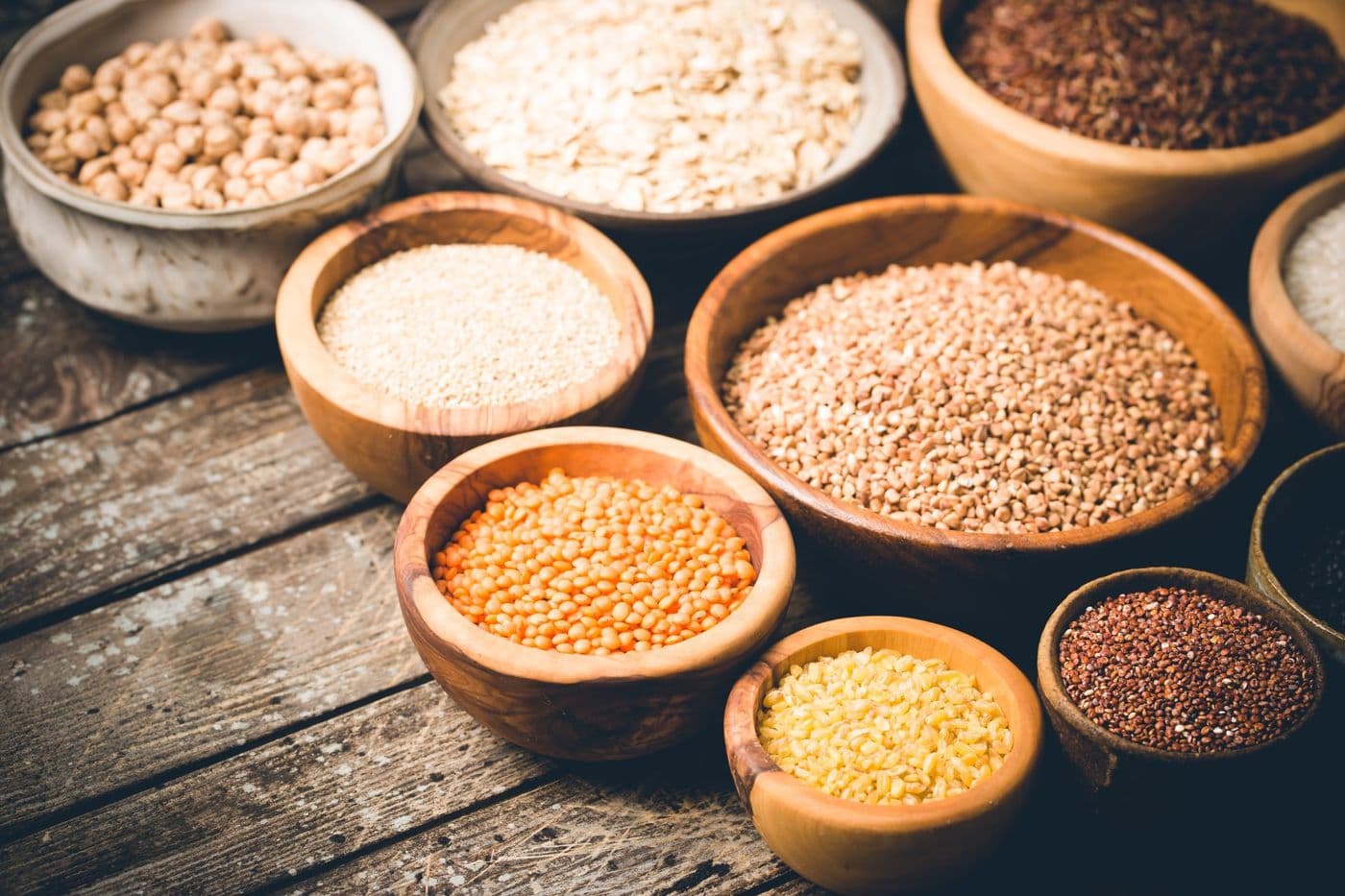
Key Takeaways
- Gas often comes from undigested fibre reaching the gut, where bacteria break it down.
- This discomfort is usually temporary and tends to reduce as the gut adjusts.
- Moong dal and masoor dal are generally easier to digest than rajma, chana, or urad dal.
- Soaking pulses properly and starting with smaller portions eases the adjustment.
- Suddenly eating a large portion of chana or sprouts is a common trigger for bloating.
Dal is healthy, filling and one of the easiest vegetarian protein foods in Indian meals. But many people avoid dal, chana, rajma or sprouts because they feel bloated or gassy after eating them.
The good news is that dal is not bad for your stomach. Gas often happens because your gut is still adjusting to pulses, especially if you suddenly eat a bigger portion or eat them without soaking and cooking them well.
Think of it like this: your body digests most of the dal, but some complex carbs and fiber can reach the gut undigested. Then your gut bacteria break them down. This process can produce gas. Research on pulses says this kind of digestive discomfort can be temporary for many people and may reduce as the body gets used to eating pulses more regularly.
Why Do Dals Cause Gas?
Dals, beans and sprouts contain fiber and certain complex carbohydrates. Your stomach and small intestine may not break all of them down fully. The leftover part moves to the large intestine, where gut bacteria start working on it. That is when gas can form.
This is normal digestion. It does not mean dal is harmful. In fact, pulses are useful foods — they give vegetarian protein, fiber and other nutrients. Indian dietary guidance also supports pulses, beans, peas, milk and curd as simple vegetarian protein options.
The real issue is not dal itself. The issue is often portion size, cooking method, soaking time and how used your gut is to these foods, per Indian dietary guidance.
Why Gas Happens More With Dal and Sprouts
Some people can eat dal daily without any problem. Others feel heavy even after a small bowl. This depends on your digestion, your food habits and how the dal is prepared. Gas may happen more when:
- You suddenly start eating a lot of dal, chana, rajma or sprouts.
- You eat raw sprouts in large quantity.
- You do not soak heavier pulses like chana, rajma or lobia properly.
- The dal is undercooked or too thick for your digestion.
- You eat dal late at night with a heavy meal.
- You eat too fast and do not chew well.
- Your gut is not used to high-fiber foods.
A small amount of gas after dal is common. But if the discomfort is too much, it helps to start slowly and prepare pulses in a gentler way.
Dals Are Not the Problem
It is easy to blame dal and stop eating it. But that is usually not needed.
Dal is one of the most practical protein foods for vegetarian meals. It fits easily with rice, roti, khichdi, dosa, idli, cheela and sabji. It is also affordable and simple to cook.
Instead of removing dal, make it easier to digest. Start with dals that feel lighter — many people find moong dal and masoor dal easier than rajma, chana or urad dal. You can also begin with smaller portions and slowly increase the amount over a few weeks.
Your gut needs time. If you eat very little fiber and suddenly add a big bowl of sprouts or chana, your body may react with gas. A slow increase is easier.
Soak It Right
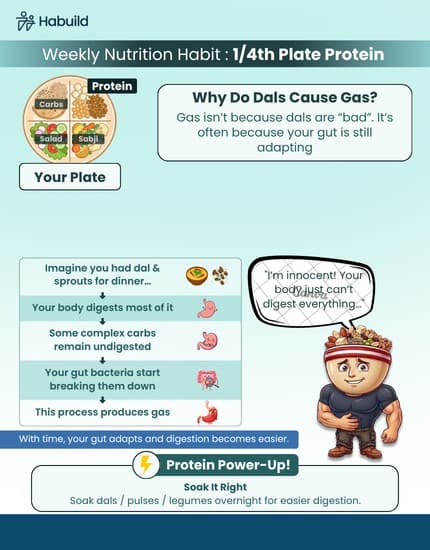
Soak dals, pulses and legumes overnight for easier digestion. Soaking helps in two ways: it softens pulses so they cook better, and it can reduce some gas-forming compounds in beans and pulses. A study on common beans found that soaking reduced raffinose-type oligosaccharides, which are linked with gas, without reducing nutritive value.
Use this simple soaking method:
- Wash the dal or pulse well.
- Add enough clean water.
- Soak heavier pulses like chana, rajma and lobia overnight.
- For lighter dals like moong or masoor, soak for 30 minutes to 2 hours if possible.
- Throw away the soaking water for heavier pulses.
- Rinse once again before cooking.
- Cook until the dal or pulse becomes soft.
- Add simple spices like jeera, hing, ajwain or ginger if they suit you.
Do not leave soaked pulses outside for too long in hot weather. If needed, keep them in the fridge after soaking.
Simple Soaking Guide
- Moong dal — Soak for 30 minutes to 1 hour. It cooks quickly and is often easier to digest.
- Masoor dal — Soak for 30 minutes to 1 hour. It is good for dal, soup or khichdi.
- Toor dal — Soak for 1 to 2 hours if you have time. This can help it cook softer.
- Chana, rajma and lobia — Soak overnight, rinse well and cook properly. These are heavier pulses and need more time.
- Sprouts — If sprouts cause gas, lightly steam or cook them instead of eating them raw.
How to Eat Dal Without Heaviness
You do not have to make big changes. Small kitchen habits can help:
- Start with a small bowl of dal.
- Choose moong or masoor if your digestion is sensitive.
- Soak pulses before cooking.
- Cook dal until it is soft, not half-cooked.
- Keep tadka light — too much oil can make the meal feel heavy.
- Eat dal with rice, roti, sabji or salad instead of a very large bowl alone.
- Chew slowly and avoid rushing meals.
- Increase pulses gradually over time.
- Avoid a very heavy dal meal right before sleeping.
- Notice what suits you — everyone's digestion is different.
Easy Dal Meal Ideas
- Breakfast: moong dal cheela, idli with sambar, dosa with sambar, or poha with a small portion of sprouts and peanuts.
- Lunch: dal rice with salad, khichdi with curd, roti with moong dal, rajma with rice and salad, or chana with roti and sabji.
- Dinner: moong dal soup, masoor dal with rice, dalia with curd, soft khichdi or dal with one roti.
If sprouts make you feel gassy, do not force raw sprouts — steam them lightly or add them to poha, upma or sabji.
When Should You Be Careful?
Mild gas after dal is common. But if you have strong stomach pain, repeated loose motions, vomiting, blood in stool, sudden weight loss or bloating that does not settle, speak to a doctor.
Also, if you have a medical condition like IBS or any digestion-related issue, change your fiber intake slowly and take guidance if needed.
Remember
Dals do not cause gas because they are bad. They can cause gas because they contain fiber and complex carbs that your gut bacteria break down.
The solution is not to avoid dal completely. The better habit is to soak it well, cook it soft, start with small portions and let your gut adapt.
A simple rule: soak it right, cook it well, eat it slowly.
Related reads: Carbs are not bad: how to eat them right · Moong dal kosambari: a light protein salad
Getting your gut used to dal again is partly about soaking and cooking it right, and partly about giving your digestion some help through movement. A short yoga session, even a few gentle twists, can ease the bloating that comes while your body adjusts to more pulses. If digestion is something you're working on, Habuild's free yoga challenge is a good companion to the dietary changes you're already making.
Frequently Asked Questions
Related Articles
How to Get Enough Protein on a Vegetarian Diet
Learn how protein rich vegetarian foods support energy, strength and fullness. Use the perfect plate habit with greens, grains and protein.

Iron rich foods need protein: 1/4th plate habit
Learn why iron-rich vegetarian foods work better when paired with protein and simple Indian meal habits.

How to Reduce Hand Fat with Yoga: Best Exercises, Steps & Tips
Learn ardha matsyendrasana with Habuild. Discover ardha matsyendrasana benefits for spinal health, improved digestion, and flexibility. Start your practice now!