
Barley Benefits: Nutrition, Hulled vs Pearled and Easy Ways to Eat It
Barley adds fibre, including cholesterol-friendly beta-glucan, to everyday meals. Learn hulled vs pearled, cooking tips and who should avoid it.
Key Takeaways
- Barley is rich in fibre, including beta-glucan, a soluble fibre also found in oats.
- About 3 g a day of oat or barley beta-glucan, in a low saturated fat diet, aids heart health.
- Hulled barley is the whole grain but slow to cook; pearled is faster and still high in fibre.
- Strained barley water and sweet malt drinks are not the same as eating the grain.
- Barley contains gluten, so people with coeliac disease must avoid it and barley malt.
Barley is a chewy grain that works well in soups, khichdi, salads and breakfast porridge. It is a good source of fibre and a welcome change if you eat the same grain every day. You may have heard that barley water cures high cholesterol or blood sugar. The more useful habit is eating the grain itself regularly as part of balanced meals.
What barley offers
Barley provides carbohydrate for energy, plenty of fibre and smaller amounts of protein and minerals. USDA data list about 15 g of fibre per 100 g of uncooked pearled barley. Part of this is beta-glucan, a soluble fibre also found in oats. To understand how the two types of fibre differ, see our guide to soluble and insoluble fibre.
Beta-glucan and heart health
In the US, foods made with whole grain barley are allowed to carry a heart-health claim: a diet low in saturated fat and cholesterol that includes about 3 g a day of beta-glucan soluble fibre from oats or barley may reduce the risk of heart disease. This fibre helps lower LDL cholesterol when eaten regularly.
One bowl of barley cannot cancel out smoking, a diet high in saturated fat or the need for prescribed cholesterol medicine. It is one practical grain to include often, alongside rice, wheat, millets and oats.
Fibre, fullness and blood sugar
Fibre can make a meal more satisfying and support regular bowel habits. If your meals are usually low in fibre, a large first serving may cause gas, so start with a modest amount. Barley still contains carbohydrate. People managing blood glucose can include it in a suitable portion with vegetables and protein, but it is not a "free" food.
Hulled or pearled: which to buy?
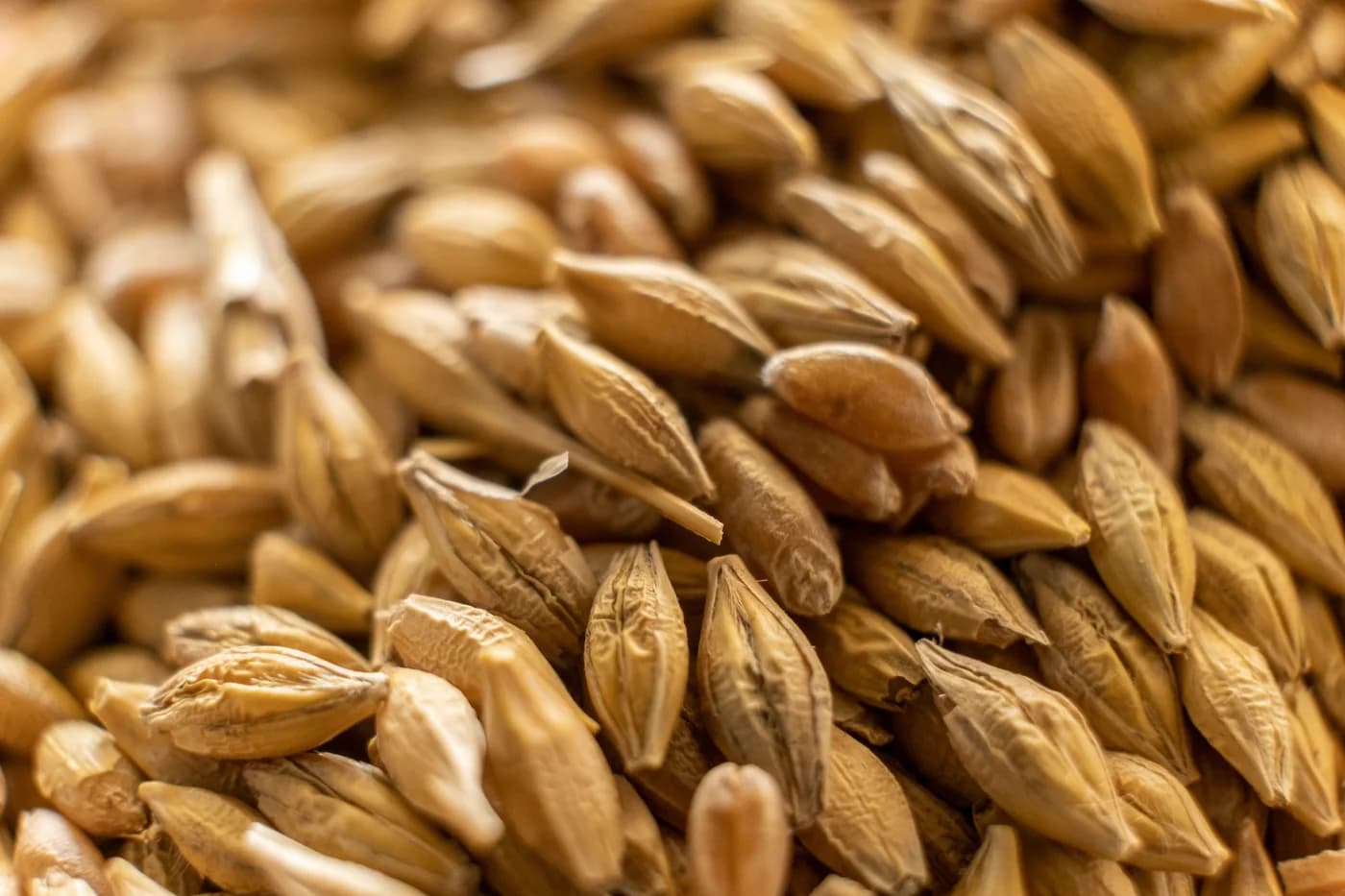
Hulled barley has only the tough, inedible outer hull removed. It is the whole-grain form, keeps more of the grain's nutrients and is chewy and slow to cook. Pearled barley is polished further, so some of the bran is removed. It is not technically a whole grain, but it cooks faster, has a softer bite and is still high in fibre.
If you are new to barley, pearled barley is easier to start with. If you like a firmer grain and can cook a batch ahead, try hulled barley. For more on grain processing, see whole grains vs polished grains.
Barley flour, barley water and malt drinks
Barley flour can be mixed into roti dough; start with a partial mix and adjust the water. Strained barley water leaves much of the fibre behind, and sweet malt drinks can carry more added sugar than useful fibre. Neither is equivalent to eating a bowl of cooked barley.
How to cook barley
Rinse the grain and follow the packet's water and cooking times, as hulled and pearled barley differ. Simmer until tender enough for your dish; a pressure cooker saves time. If you cook a batch ahead, refrigerate leftovers in a covered container within 2 hours and reheat a portion until steaming hot.
Easy ways to eat barley in Indian meals
- Khichdi: cook barley with moong dal, vegetables and spices. Replace only part of the rice at first.
- Soup: add cooked barley to a vegetable or dal soup for a more filling bowl without cream.
- Salad: combine cooked barley with chana, cucumber, tomato, herbs and lemon.
- Porridge: warm cooked barley with milk or a fortified soy drink, fruit and a few nuts.
Think of barley as the grain part of your plate. It does not replace protein, so pair it with dal, beans, paneer, tofu or curd. If you feel bloated after a large serving, reduce the amount next time rather than giving up on it.
Who should avoid barley
Barley contains gluten. People with coeliac disease must avoid it, along with barley malt, malt extract and malt vinegar found in packaged foods. Naturally gluten-free grains such as rice and millets are better choices. If you have been told to limit fibre for a medical reason, follow your personal plan.
Editorial sources
Frequently Asked Questions
Related Articles
Soluble and insoluble fibre: simple digestion guide
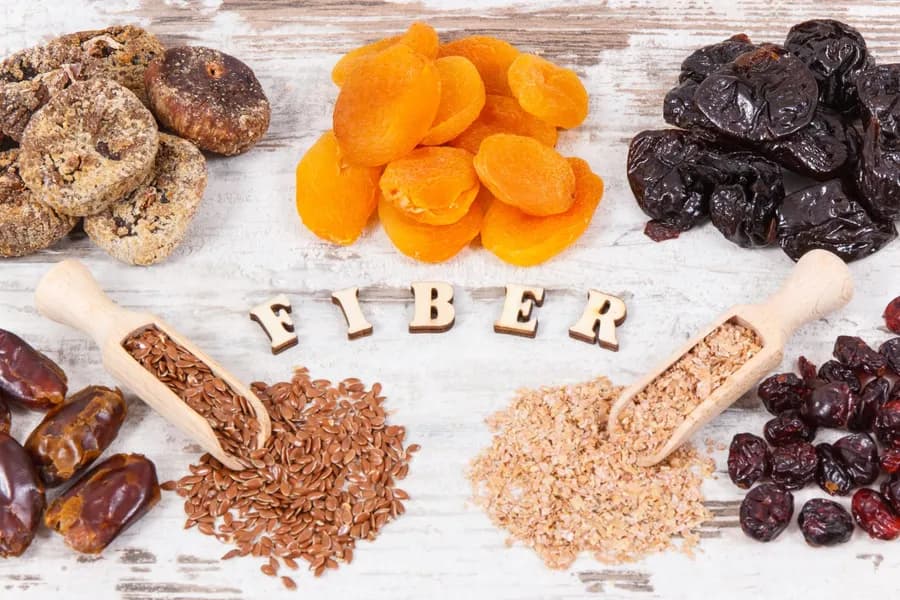
Soluble and insoluble fibre do different jobs for digestion — one feeds gut bacteria, the other adds bulk to stool. See the simple difference.

Oats Nutrition: Types, Fibre, Portions and Breakfast Ideas
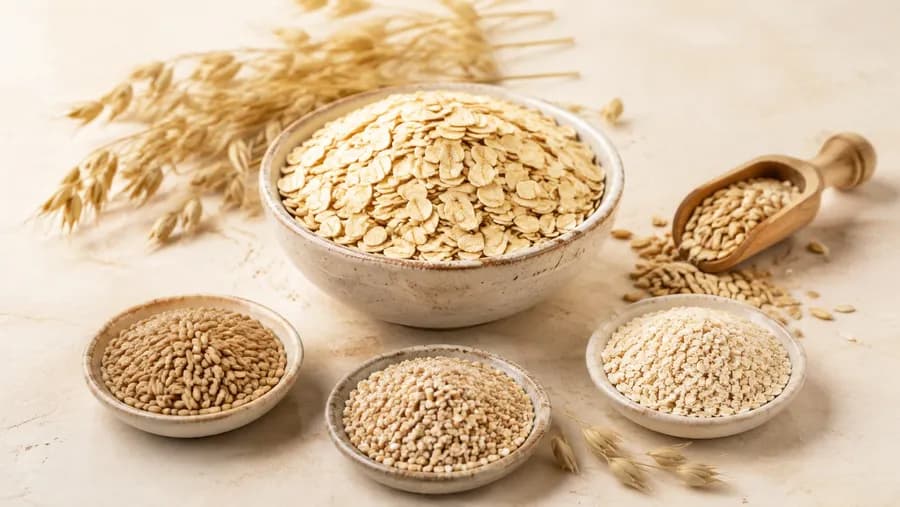
Oats provide carbohydrate, soluble fibre called beta-glucan, protein and minerals. Steel-cut, rolled and instant oats differ in cooking time.

Whole grains vs polished grains: what to choose
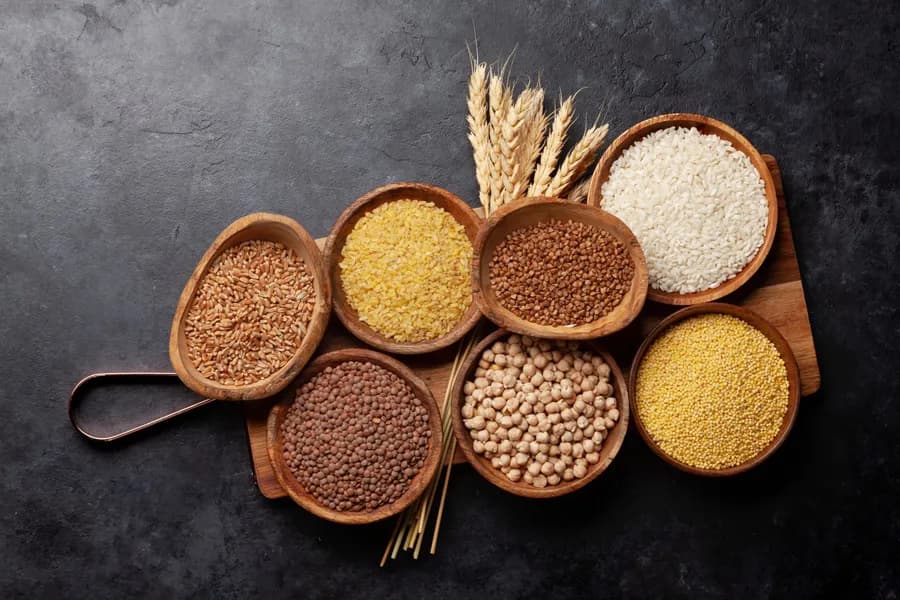
Polishing strips grains of fibre and nutrients that whole grains keep intact. See what actually changes, and which to choose.
Millet Benefits: Nutrition, Portions and Cooking Ideas
Millets are a group of small-seeded grains that includes pearl millet or bajra, finger millet or ragi, foxtail, little millet and others.