
Basil: Fresh Flavour for Everyday Meals
Use basil for fresh flavour in familiar meals, with practical ideas for dips, vegetables and pesto rather than inflated health promises.
Key Takeaways
- Basil adds aroma more than a large dose of nutrients.
- Basil and tulsi are related but not identical.
- Pesto is a sauce with concentrated ingredients.
- Store only what you can use.
Basil is the soft leafy herb often used in tomato dishes and pesto. Its aroma can make a simple meal feel fresh without much extra work. A few leaves contribute flavour far more noticeably than they contribute a large amount of nutrients, so think of basil as a useful kitchen ingredient rather than a treatment. You can enjoy it in familiar meals without building a new diet around it.
Basil and tulsi are related, but not identical
Sweet culinary basil is commonly Ocimum basilicum. Tulsi, often called holy basil, usually refers to Ocimum tenuiflorum. They belong to the same broader group of plants but differ in aroma, traditional uses and growing habits.
That distinction matters when a recipe or article discusses one particular plant. A study of a tulsi extract does not establish a benefit from a few sweet basil leaves on dinner.
For cooking, use the herb you actually have and expect the flavour to differ. You can experiment with a small amount, but there is no need to present the two as exact replacements or assume every product called basil has the same effects.
What does a small serving offer?
Basil leaves contain micronutrients and plant compounds, including vitamin K. However, a garnish usually weighs only a few grams, so a per-100-g nutrition table can greatly exaggerate its everyday contribution.
You would not normally eat a large bowl of basil in the way you eat a vegetable side. Its role is to make the meal more appealing, while vegetables, pulses and other substantial foods supply the bulk of nourishment.
That is still useful. If herbs help you enjoy a tomato-and-bean dish or a vegetable sandwich, they support a practical meal habit. The benefit does not have to be described as a special antioxidant dose.
Add it where the aroma will be noticed
Fresh basil is often most noticeable when added near the end of cooking. Tear or chop a few leaves and stir them through a warm dish just before serving.
Try it with tomato, roasted vegetables, cooked beans or a mild paneer or tofu preparation. A little can also brighten a soup after it has finished simmering.
Start with less when the herb is unfamiliar. You can add more after tasting, but it is harder to remove an overpowering flavour. There is no correct amount that every recipe must contain for health; choose what makes the food pleasant.
Use it in Indian meals without forcing the combination
Basil can work in a fresh tomato chutney, a vegetable sandwich or a lemony chickpea salad. It can also be mixed with coriander or mint when a whole basil flavour feels too strong.
For a quick dip, combine a little chopped basil with plain curd, lemon and pepper. Serve it with a meal or a suitable snack rather than expecting the dip alone to be a complete meal.
Not every dal or sabzi needs it. Familiar herbs may suit a dish better, and there is no nutritional advantage in replacing coriander throughout the kitchen. Keep basil as another flavour option, not a requirement to make traditional meals healthier.
Pesto is a sauce with concentrated ingredients
Pesto commonly combines basil with oil, nuts, cheese and other seasonings. Recipes vary, and a vegan version may use different ingredients.
The herbs bring aroma, while oil, nuts and cheese can make the sauce energy-dense. A small amount can coat pasta, season vegetables or spread flavour through a sandwich. More sauce is not automatically a larger vegetable serving.
You can loosen a little pesto with suitable cooking water or another ingredient for the dish instead of repeatedly adding oil. For a nut allergy, use a genuinely suitable recipe and avoid cross-contact. The word basil does not describe every ingredient in the finished sauce.
Fresh and dried basil have different uses
Dried basil is convenient for longer storage and can suit sauces or cooked dishes. Fresh leaves give a different aroma and texture, especially as a finish.
They are not usually swapped in equal volumes because dried herbs are more concentrated by volume. Begin with a smaller amount of dried herb and adjust to the recipe.
Neither form needs to be declared universally superior. Choose the one that gives a useful result with the equipment and shopping you manage. A small jar you use regularly may be better than a large bunch left to wilt at the back of the kitchen.
Buying and washing the leaves
Choose leaves that look fresh, without mould, slimy areas or extensive decay. A little natural variation in colour is different from a bunch that is clearly spoiling.
Wash fresh herbs under running water before use and handle them with clean utensils. Drain or dry them gently when the recipe benefits from less surface water.
Avoid using leaves from a plant treated with chemicals unsuitable for food crops. A decorative plant is not automatically intended for eating. If you grow basil, use a food-safe growing approach and harvest clean, sound leaves rather than assuming home-grown always means ready to eat without washing.
Store what you can actually use
Fresh basil is delicate, so buy or harvest manageable amounts and protect it from crushing and excess moisture. Use the best leaves promptly rather than waiting for a large recipe.
For longer keeping, freezing chopped leaves or portions of pesto can be practical. The texture will soften, but the herb can still work in cooked dishes.
Homemade herb-and-oil mixtures and pesto are not shelf-stable just because oil covers the leaves. Refrigerate and use promptly according to a reliable recipe, or freeze small portions. Do not leave a jar on the counter for weeks as a way to preserve fresh herbs.
Keep health claims proportionate
Ordinary culinary basil is different from a concentrated capsule, extract or essential oil. Do not swallow an essential oil as a substitute for leaves in a meal.
A few leaves are not an established treatment for diabetes, infection, stress or digestive disease. If you enjoy a basil infusion, treat it as a drink rather than a replacement for treatment.
The simplest reason to use basil is also the most dependable: it makes certain foods taste good. Keep the rest of the meal substantial and varied, and let the herb do the flavouring job it does well.
Editorial sources
Frequently Asked Questions
Related Articles
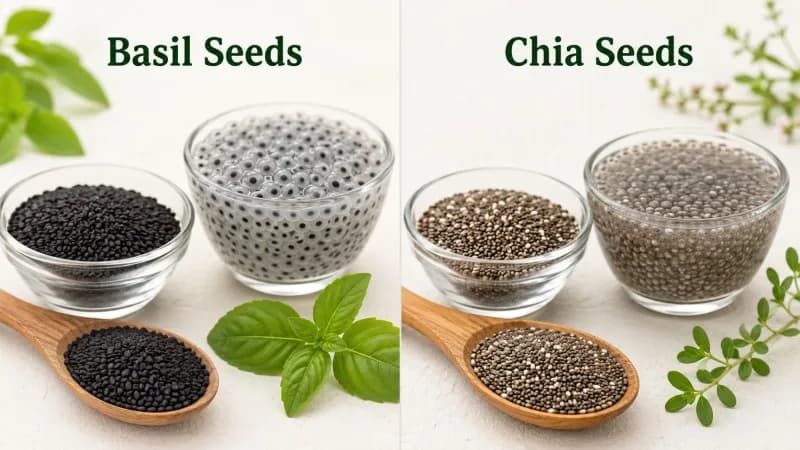
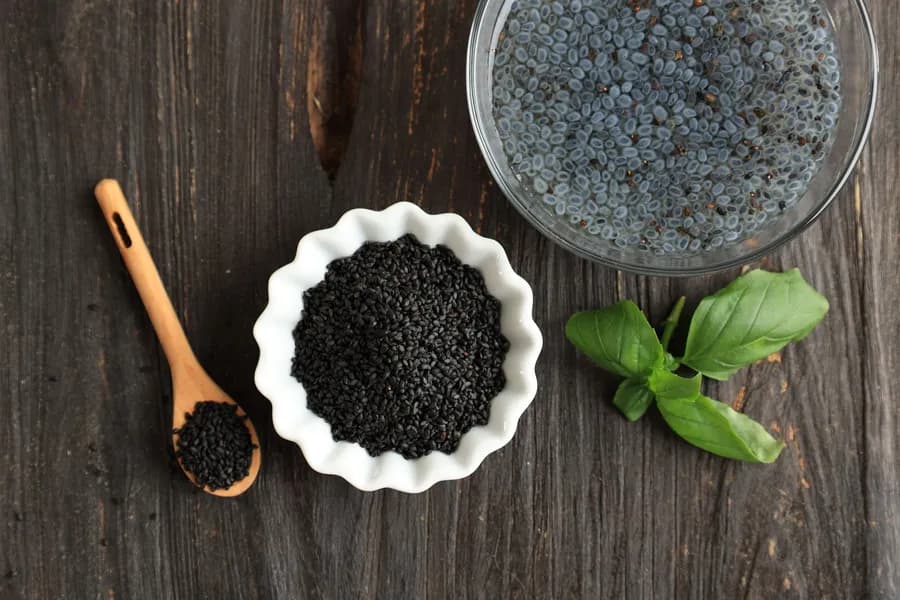
Basil seeds: benefits, uses and safety
Basil seeds, or sabja, add fibre and texture to food. Learn their benefits, how to soak them, safe serving ideas and what research really shows.

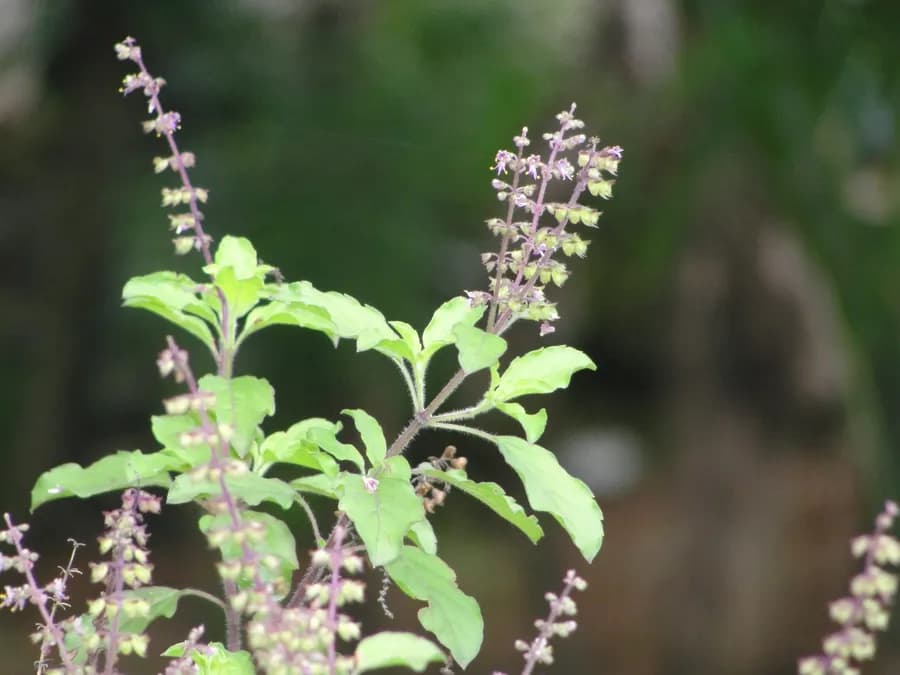
Tulsi: Benefits, Uses & Ayurvedic Properties
Tulsi (Ocimum sanctum / Holy Basil) is Ayurveda’s Queen of Herbs — a powerful adaptogen for immunity, stress, and respiratory health. Explore its.

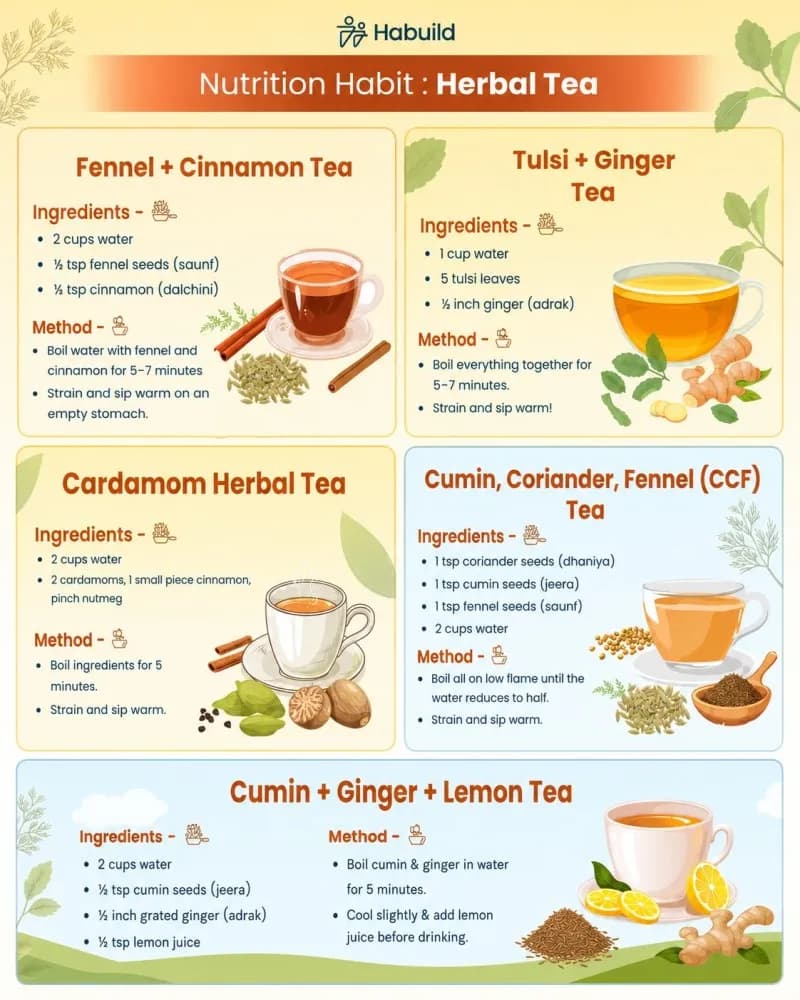
Herbal Tea Recipes: 5 Simple Blends for Daily Routine
These five herbal tea blends use common Indian kitchen ingredients like fennel, cinnamon, tulsi, ginger, and cardamom — light, warm drinks, not medicine..
