
Benefits of Cinnamon Tea: A Warming Drink, Not a Blood Sugar Cure
Cinnamon tea can be a pleasant unsweetened drink. Understand its limits, the difference between cinnamon types and why stronger is not always better.
Key Takeaways
- Cinnamon tea is a low-sugar drink to enjoy.
- It does not replace diabetes treatment.
- Cassia has more coumarin than Ceylon cinnamon.
- A cup cannot cause meaningful weight loss.
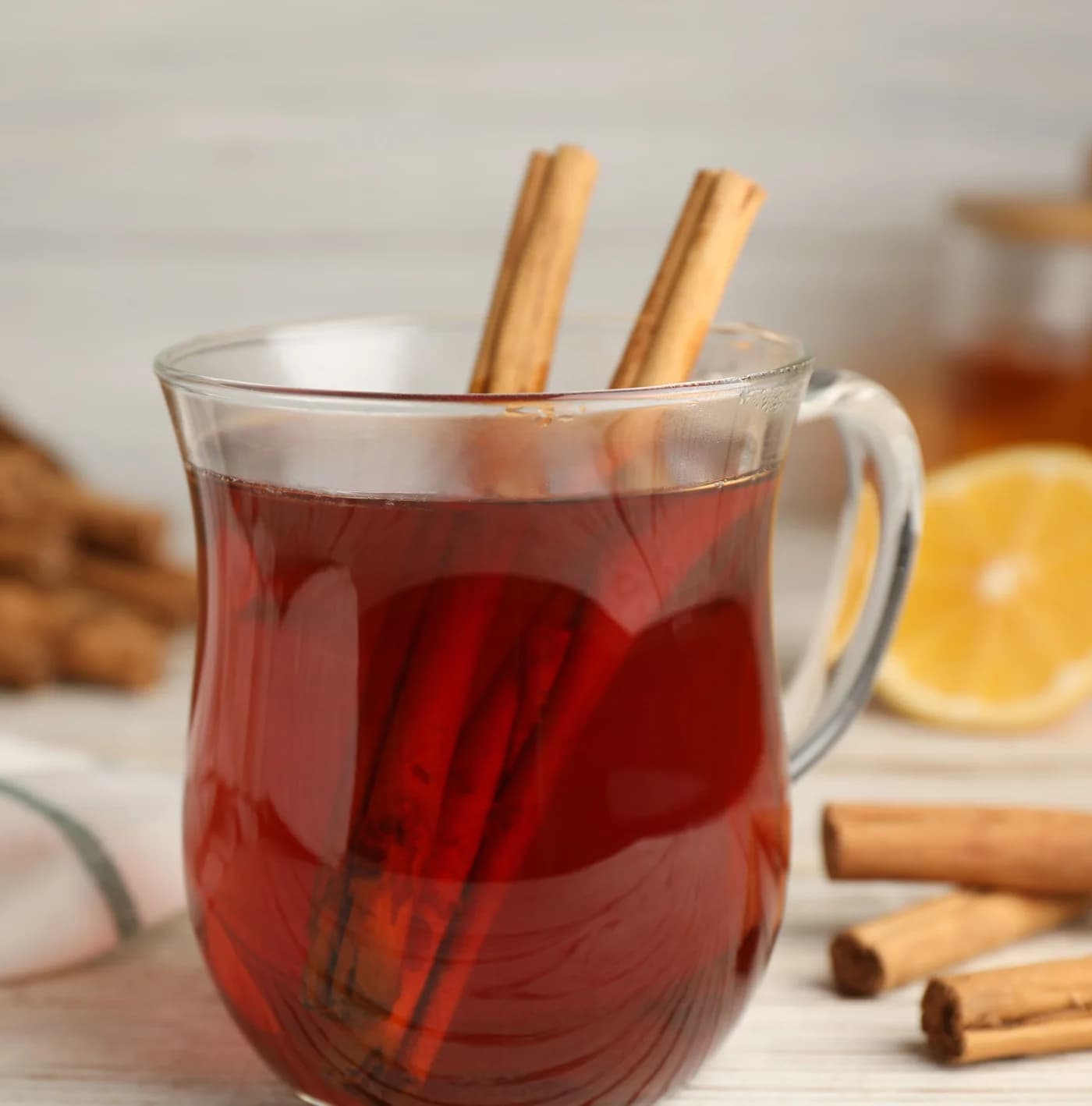
Cinnamon gives tea a very warm, familiar fragrance without needing much sweetness. That can make a plain cup more enjoyable, especially when you want a change from very sweet chai. It is a modest benefit, but a useful one.
Claims about melting belly fat or controlling diabetes are much bigger. Research on cinnamon does not establish that a home-brewed cup can deliver those results. You can enjoy cinnamon tea while keeping the difference between a pleasant drink and a treatment clear.
What is cinnamon tea?
A simple version is cinnamon infused in hot water. Some people simmer a small piece of bark, while others use a ready-made herbal blend. The strength depends on the amount, the type of cinnamon and how it is prepared.
Cinnamon may also be added to black tea with milk, or to blends containing ginger and other spices. Those versions have different ingredients and may contain caffeine. The word “cinnamon” alone does not tell you what else is in the cup.
You do not need an intensely spicy brew. A gentle flavour is enough, and there is no established health dose that requires a particular number of sticks or cups.
The most dependable benefit is enjoyment without much sugar
Cinnamon can add a sense of sweetness through its aroma, even though it does not turn an unsweetened drink into a source of substantial sugar. That may help if you are gradually reducing sugar in tea.
Try using a little less sweetener than usual and see whether you still enjoy the cup. There is no need to expect the spice to make a very sweet drink harmless. Honey, jaggery and sugar all add sugars, even when the recipe is described as natural.
A cinnamon infusion can also contribute to fluid intake. It is an option for variety, rather than a better form of hydration that everyone must adopt.
Does cinnamon tea lower blood sugar?
Studies have investigated cinnamon products in people with diabetes, but results are inconsistent. Studies also use different species, preparations and quantities, making them difficult to translate into a home recipe.
A capsule containing an extract is not equivalent to a piece of bark steeped in water. Even if a study reports a change in a blood test, it does not establish that every cinnamon drink will produce the same result.
If you have diabetes, keep to the monitoring and treatment plan that works for you. Do not reduce medicine or skip meals because you have started cinnamon tea. For everyday food changes, our guide on how to control sugar offers a broader starting point.
Weight-loss claims go beyond what a cup can do
There is no good basis for expecting cinnamon tea to target belly fat or produce meaningful fat loss by itself. Drinking it at bedtime, before breakfast or immediately after a meal has not been established as a fat-burning routine.
It may reduce energy intake if it replaces a sugary drink and you do not make up the difference elsewhere. That is a replacement effect, not evidence that cinnamon is dissolving body fat.
A small cup after dinner can still be pleasant. Enjoy it for the taste or the routine, while keeping meals, activity and sleep at the centre of your longer-term goals.
Cassia and Ceylon cinnamon are not identical
Several related plants are sold as cinnamon. Cassia types are common and can contain more coumarin, a naturally occurring compound that may harm the liver with high or prolonged exposure in susceptible people.
Ceylon cinnamon generally contains much less coumarin. That distinction matters most when someone uses cinnamon frequently or in larger amounts; it does not mean an occasional small culinary amount of cassia is automatically dangerous.
You cannot reliably judge coumarin content from how strong a brew tastes. Nor does choosing Ceylon make unlimited use sensible. If you want cinnamon regularly, keep quantities modest rather than using a supposedly safer variety to justify a much stronger drink.
A straightforward way to make it
For one mild cup, use a small piece of food-grade cinnamon bark in a cup of water. Simmer briefly or steep according to the product's instructions, then remove the bark and let the drink cool enough to sip comfortably.
Adjust the flavour with more water if it is too strong. You can add a little ginger for a different taste, but combining more spices does not make the drink medically stronger or more beneficial.
Powder may settle at the bottom and make the texture gritty. Strain if you prefer. Never swallow dry spoonfuls of cinnamon or use an essential oil as a substitute: dry powder can be inhaled, and oils are far more concentrated than a culinary infusion.
When a regular tea habit deserves more thought
If you have liver disease, avoid high or medicinal amounts of cinnamon without advice from the team managing your condition. The same caution applies to concentrated products marketed for daily blood-sugar control.
Pregnancy and breastfeeding are also reasons to distinguish normal food use from medicinal dosing. A familiar spice in a meal does not establish the safety of large daily quantities or extracts.
Stop if the drink causes mouth irritation, a rash or persistent stomach discomfort. You do not need to tolerate symptoms because a recipe says the spice is cleansing your system. A comfortable drink should remain comfortable.
Keep the cup in proportion to the rest of the day
Cinnamon tea supplies little protein or fibre when the bark is strained out. It cannot replace breakfast, balance a missed meal or compensate for a pattern dominated by sweet snacks.
If you are hungry, have food with it: a small bowl of curd and fruit, a simple sandwich or another snack suited to your needs. If you are simply thirsty, water is equally valid.
Store cinnamon dry and sealed, and make a brew that tastes good rather than progressively stronger. You can appreciate its warmth and fragrance without expecting it to manage a medical condition. That makes the habit easier to enjoy and the claims easier to judge.
Editorial sources
Frequently Asked Questions
Related Articles
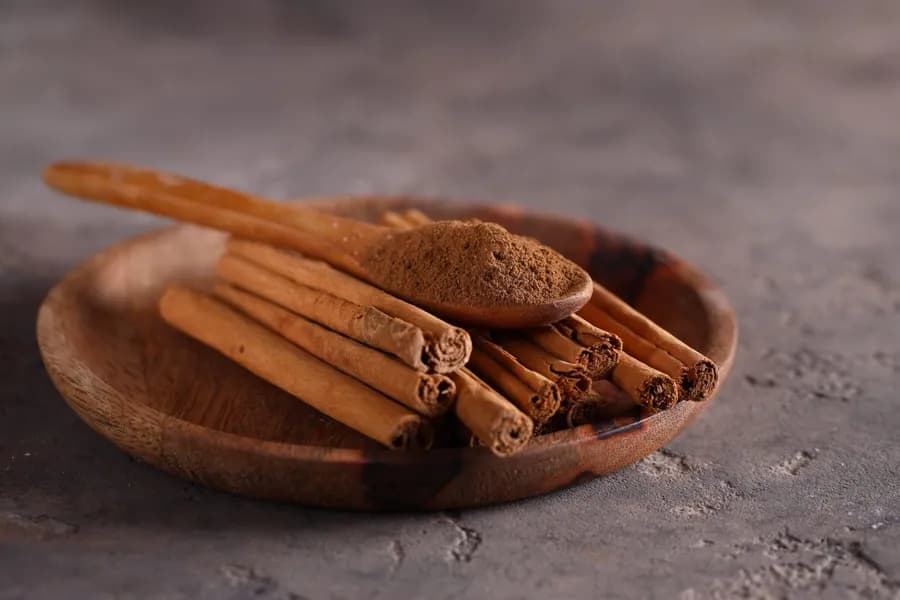
Ceylon Cinnamon vs Cassia: How to Identify, Buy and Use It
How Ceylon cinnamon differs from cassia, why coumarin matters, how to identify and store it, and what to expect from blood-sugar claims.

Cinnamon: Benefits, Everyday Uses and Safety
Cinnamon is an aromatic bark used in sweet and savoury foods. Ceylon and cassia cinnamon differ in flavour and coumarin content.

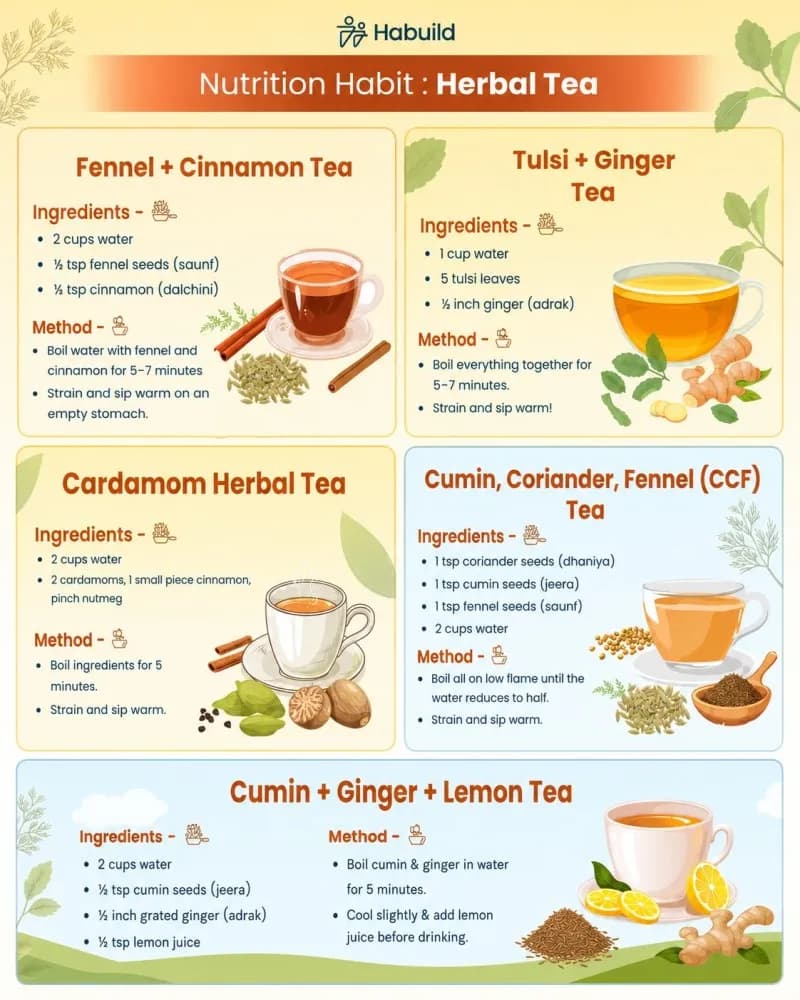
Herbal Tea Recipes: 5 Simple Blends for Daily Routine
These five herbal tea blends use common Indian kitchen ingredients like fennel, cinnamon, tulsi, ginger, and cardamom — light, warm drinks, not medicine..
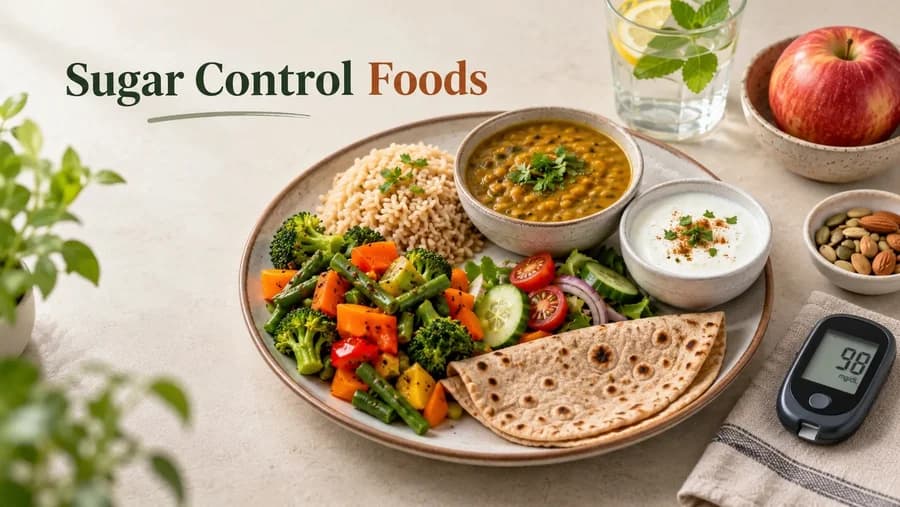
Sugar Control Foods: A Practical Indian Guide for Blood Glucose
No food instantly lowers blood glucose. Steadier readings come from the type and amount of carbohydrate, what you pair it with, and your overall routine.