
Benefits of Eating Raw Garlic: What Is Realistic?
Enjoy garlic for flavour while keeping claims about raw cloves, cholesterol and immunity realistic.
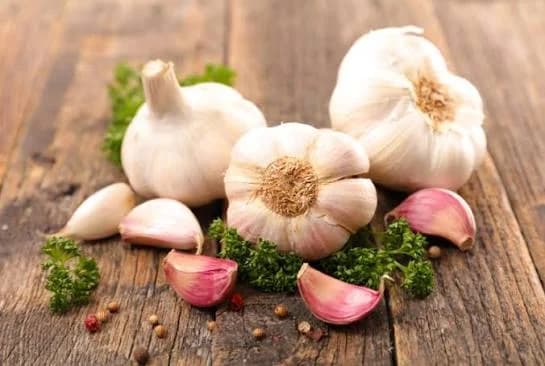
Key Takeaways
- Raw garlic adds flavour but is not a morning medicine.
- Evidence does not support sweeping cholesterol promises.
- There is no compulsory daily dose of garlic.
- Raw garlic can irritate the stomach, skin and gums.
Raw garlic brings a sharp bite to chutney or a dressing, but it does not need to become a morning medicine. Chewing whole cloves on an empty stomach is often promoted for cholesterol, immunity or weight loss. The evidence does not support those sweeping promises. You can enjoy garlic for flavour while understanding why a research extract and a raw clove are different things.
What changes when garlic is crushed?
Cutting or crushing garlic brings together components that lead to the formation of compounds including allicin. These contribute to its characteristic smell and pungency.
Heat and preparation change the mixture of compounds, which is one reason raw, cooked, aged and powdered garlic should not be assumed identical. A supplement may also contain a very different preparation from the garlic in your meal.
This chemistry is interesting, but it does not establish a required crushing time or number of cloves for disease prevention. A stronger smell is not a measure of a stronger health result.
Cholesterol claims need a closer look
Research on garlic supplements suggests small effects on cholesterol in some settings, but results differ. That cannot be converted directly into a promise that raw cloves will provide the same benefit.
A six-month trial involving 192 adults compared raw garlic, two supplement preparations and placebo and did not find a meaningful cholesterol benefit from those interventions. It is a useful reminder that a plausible mechanism does not guarantee a worthwhile effect.
If cholesterol is high, dietary fat quality, fibre-rich foods, activity and prescribed treatment may all matter. Raw garlic should not delay a treatment decision based on cardiovascular risk.
What about blood pressure and immunity?
Some garlic-preparation studies have explored blood pressure, but the evidence does not justify replacing antihypertensive medicine with a daily clove. The formulation, dose and person studied matter.
Evidence for preventing colds or broadly boosting immunity is also limited. Garlic does not form a protective shield against infections simply because it has antimicrobial effects in a laboratory.
Use ordinary prevention and treatment that fit the illness. A clove swallowed before breakfast is not a substitute for vaccination, appropriate care or taking prescribed medicine. Food can be enjoyable without having to carry those promises.
Its useful everyday benefit is flavour
Garlic can make vegetables, pulses and sauces more appealing. That may help you enjoy a varied diet with less reliance on rich or heavily salted additions.
For raw use, try a little finely crushed garlic in a tomato chutney or a curd-based dip. Combine it with herbs and acidity where they suit the recipe, then taste before adding more.
You do not need much to notice it. Start with a small amount mixed through food rather than biting into a whole clove. If the flavour overwhelms the dish, more of the other ingredients may help balance it.
There is no compulsory daily dose
A number such as one or two cloves can sound reassuringly precise, but cloves vary in size and a universal medicinal food dose has not been established.
You can use garlic when it fits the meal and skip it when it does not. There is no need to eat it daily or before water, tea or breakfast.
If you dislike raw garlic, cooked garlic is a perfectly reasonable culinary choice. Eating should not become an endurance exercise based on the belief that discomfort proves a remedy is potent.
Raw garlic can irritate the digestive tract
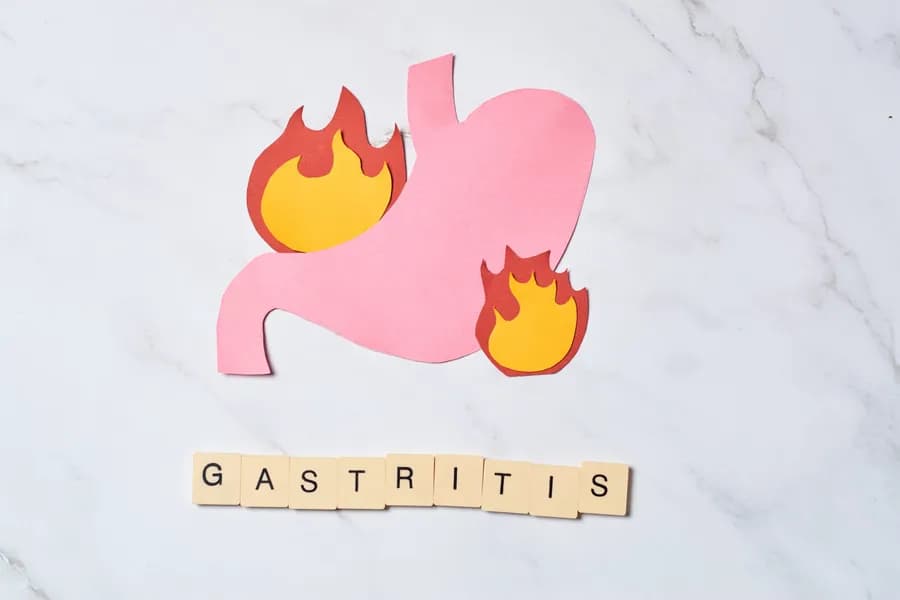
Abdominal discomfort, gas, nausea and heartburn can occur, particularly with a larger amount. The raw form may be less comfortable than cooked garlic for some people.
Reduce or stop it if symptoms repeatedly follow the habit. Taking it on an empty stomach is not necessary for an established health advantage.
Persistent or severe pain, difficulty swallowing or repeated vomiting deserves assessment. Do not keep increasing garlic because an online routine describes these symptoms as cleansing. A food you use for wellness should not make ordinary eating harder.
Supplements and medicines need separate care
Garlic supplements can increase bleeding risk, particularly alongside medicines that affect clotting. People using anticoagulants, aspirin or preparing for surgery should disclose such supplements to their treating team.
That does not mean everyone must stop the small amount used in ordinary cooking. Food portions and concentrated medicinal use are different decisions.
Avoid starting a high-intake raw-garlic routine as a treatment when you take regular medicines. The relevant discussion is about the actual amount and goal, rather than a vague rule that natural products never interact.
Do not apply raw garlic to skin or gums
Raw garlic can cause irritation and chemical burns when applied directly, especially under a covering. Do not put it on acne, a wart, a mouth ulcer or an aching tooth as a home treatment.
An effect on microbes in a laboratory does not make a crushed clove safe for delicate or damaged tissue. Dental pain needs attention to its cause rather than a stronger household application.
If garlic causes a skin burn or severe local reaction, remove the material and seek appropriate advice. Avoid repeating the application because the initial sting seems to indicate action.
Prepare and store it like food
Use firm, sound cloves and discard mouldy or rotten ones. Peel with clean hands and utensils, and prepare only what you can use or store safely.
Fresh garlic mixtures made with curd or other perishable ingredients need refrigeration. Do not assume a homemade garlic-in-oil mixture is shelf-stable; follow reliable food-safety guidance rather than storing it casually beside the stove.
For an easier routine, cook garlic into dal, vegetables or soup. Its flavour changes and softens, which can make it more enjoyable in everyday meals.
Choose comfort over a health challenge
You do not need raw garlic to complete a nutritious diet. If you like it, use a little in food. If it causes symptoms or social discomfort from the odour, choose a cooked preparation or another seasoning.
The best reason to keep garlic in the kitchen is that it helps food taste good. Possible research benefits can be discussed honestly without turning every clove into a treatment or every breakfast into a test of tolerance.
Editorial sources
Frequently Asked Questions
Related Articles
High-Dose Niacin: Flushing, Cholesterol Use and Safety
Why niacin acts like a drug at high doses: flushing, liver and glucose risks, what cholesterol trials found, and how to read a niacin label.

Garlic Benefits: Uses and Safety
Garlic adds strong flavour to food. Learn its realistic benefits, everyday uses, supplement risks, side effects and safe storage tips.

Cholesterol Diet Chart: A Simple Daily Plan to Manage Your Levels
A cholesterol diet chart shows what to eat more of and what to cut back on to manage LDL and HDL levels. See a clear daily structure you can follow at.

How to reduce Cholesterol in 7 Days: Natural Exercises and Habits
Aerobic exercise, resistance training, and yoga each work through a different pathway — raising HDL, improving insulin sensitivity, and normalising cortisol — for multi-pathway cholesterol improvement medication alone can't replicate. See the natural exercises and habits.
