
High-Dose Niacin: Flushing, Cholesterol Use and Safety
Why niacin acts like a drug at high doses: flushing, liver and glucose risks, what cholesterol trials found, and how to read a niacin label.


Key Takeaways
- Food-level niacin is a vitamin; gram-level doses act like a prescription drug.
- Flushing is a blood-vessel reaction, not a sign of detox or a better product.
- Sustained-release niacin may flush less but carries a higher liver risk.
- Adding niacin to statins did not cut heart events in large trials.
- Check B complex and pre-workout labels so niacin doses do not stack.
Niacin is vitamin B3, a water-soluble nutrient used to make coenzymes involved in energy metabolism and cellular repair. Food and ordinary multivitamins prevent deficiency, and our guide to vitamin B3 niacin benefits covers its everyday role and food sources. This article is about the other side: pharmacological doses, which have been used to change blood lipids. At those doses niacin acts like a medicine and can cause flushing, liver injury, raised glucose and other problems. Modern heart care does not use over-the-counter niacin as a casual substitute for statins.
Niacin is often added to pre-workout and energy products, sometimes alongside caffeine and other ingredients that cause warmth or tingling. That can make a flush feel like proof of a powerful formula, but discomfort is not a measure of exercise benefit. Review the combined supplement facts and avoid stacking products, particularly if you have blood-pressure, glucose or liver concerns.
Alcohol adds risk, because both alcohol and high-dose niacin stress the liver and worsen flushing. Dark urine, marked fatigue, persistent nausea, yellowing of the skin or severe abdominal pain need prompt medical assessment rather than waiting for the body to adapt.
The adult upper limit for supplemental niacin is set at 35 mg a day, mainly to avoid flushing, yet prescribed doses can be far higher under supervision. That is why copying a dose from a study is unsafe. The same milligram number can mean different things depending on the form and release pattern, and extended-release tablets should never be split or crushed unless instructed.
What does niacin do?
The body converts niacin into NAD and NADP, coenzymes that help hundreds of reactions transfer energy and build or repair molecules. It can also make some niacin from the amino acid tryptophan, so protein intake contributes indirectly. Getting enough supports normal function; taking extra does not make metabolism run faster or burn body fat.
Severe deficiency causes pellagra, with dermatitis, diarrhoea and neurological changes. It is uncommon where diets are varied or grains are fortified, but can occur with severe malnutrition, malabsorption or certain illnesses. Suspected deficiency needs medical care, not a high-dose self-test.
Why does flushing happen?
Nicotinic acid widens skin blood vessels, producing warmth, redness, itching or tingling, usually on the face and upper body. Dose, formulation and timing all influence it. It is not proof that toxins are leaving the body. Sustained-release forms may reduce flushing but can increase liver risk.
Do not use aspirin or other medicines to manage flushing unless a clinician directs it. Severe dizziness, breathing difficulty, swelling or fainting should not be dismissed as a normal flush, and switching formulations on your own can change both safety and effect.
Can it treat cholesterol?
Prescription niacin can lower triglycerides and LDL cholesterol and raise HDL cholesterol. However, two large trials, AIM-HIGH and HPS2-THRIVE, found that adding niacin to statin therapy did not reduce heart attacks or strokes and increased adverse effects such as raised glucose, infections and bleeding. Treatment decisions depend on the full lipid profile and individual risk.
A supplement-store product should not replace prescribed statins or triglyceride treatment. People who cannot tolerate a medicine need a clinician-led alternative, not an unmonitored vitamin megadose. Lifestyle change remains important alongside appropriate care; see our guide on how to reduce cholesterol.
What can high doses harm?
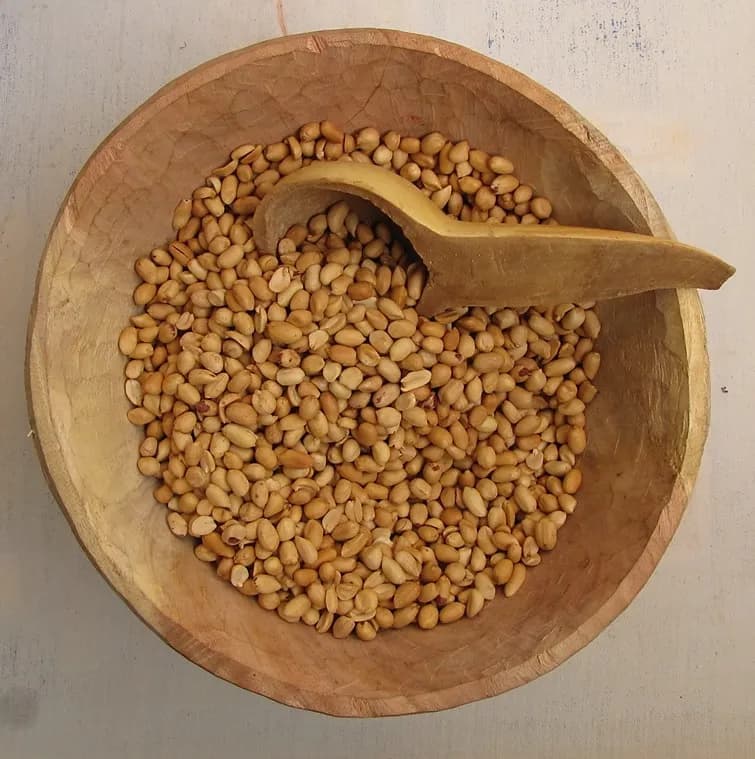
High-dose niacin can injure the liver, worsen glucose control, raise uric acid and trigger gout, irritate the stomach and lower blood pressure. Risk rises with certain formulations, alcohol use, existing liver disease and interacting medicines. Monitoring may include liver enzymes, glucose and uric acid. Pregnancy, breastfeeding, planned surgery and chronic illness require professional advice, and niacin should be kept away from children.
How to read a niacin supplement label
Start with the amount per serving, not the claims on the front. A B complex may contain niacin alongside other vitamins, and an energy or pre-workout product may hide it in a blend, so using both can raise your total without you noticing.
Check whether the label says nicotinic acid, nicotinamide or inositol hexanicotinate, and whether the product is immediate-release, sustained-release or extended-release. These are not interchangeable at high doses. Nicotinamide does not cause flushing, but it also lacks the lipid effects of nicotinic acid, and a "no-flush" product should not be assumed to give the cholesterol effects of prescription niacin.
If a clinician has prescribed niacin, take that exact product and keep follow-up appointments rather than replacing it with a shop-bought version. Bring every supplement bottle to the appointment so duplicate ingredients are easier to spot.
The bottom line
Niacin is an essential vitamin at nutritional doses and a potent drug at high doses. Meet routine needs through food and keep cholesterol dosing under medical supervision.
Editorial sources
- Niacin fact sheet for health professionals, NIH Office of Dietary Supplements
- Niacin fact sheet for consumers, NIH Office of Dietary Supplements
- Niacin in patients with low HDL cholesterol receiving intensive statin therapy (AIM-HIGH), N Engl J Med 2011 (PubMed)
- Effects of extended-release niacin with laropiprant in high-risk patients (HPS2-THRIVE), N Engl J Med 2014 (PubMed)
Frequently Asked Questions
Related Articles
Vitamin B3 Niacin Benefits: Function, Deficiency, and Food Sources
Vitamin B3, or niacin, turns food into usable energy and keeps skin and nerves healthy. See its full function, deficiency signs, and best food sources.

Vitamin B Complex Benefits: What Each of the 8 B Vitamins Does
‘B complex’ isn’t one nutrient — it’s a group of eight separate vitamins that work together on energy, brain function, and skin health. See what each of.

How to Reduce Cholesterol: 8 Natural Ways to Lower LDL and Improve Heart Health
Daily exercise, dietary shifts, and stress management can lower LDL meaningfully within 8-16 weeks for most people, per the American Heart Association. See all 8 natural ways.


Cholesterol Diet Chart: A Simple Daily Plan to Manage Your Levels
A cholesterol diet chart shows what to eat more of and what to cut back on to manage LDL and HDL levels. See a clear daily structure you can follow at.