
Jackfruit Seeds: A Useful Ingredient Worth Cooking
Cooked jackfruit seeds can become a satisfying seasonal ingredient. Learn how to prepare them and keep health claims realistic.
Key Takeaways
- Jackfruit seeds must be cooked before eating.
- They add starch, some protein and fibre.
- Start with a small serving.
- They are not a treatment for diabetes or anaemia.
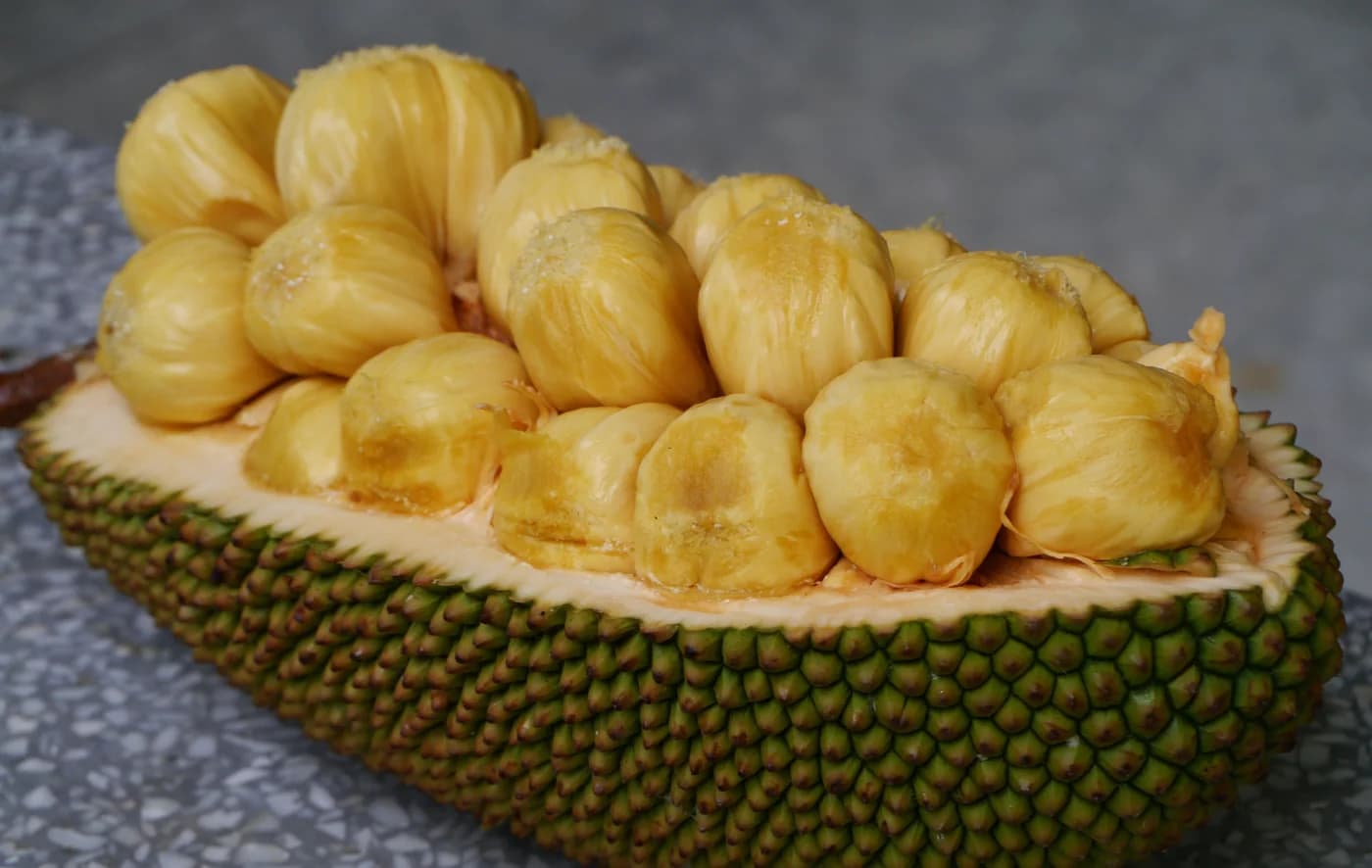
The seeds left after cutting a ripe jackfruit do not have to go straight into the bin. Once cooked and peeled, they have a firm, starchy texture that works in curries, dry sabzis and simple snacks. Their most useful benefit is ordinary food value and less waste. They provide carbohydrate, some protein and fibre, but they are not a treatment for diabetes, anaemia or digestive disease.
The seed is different from the sweet fruit
Jackfruit seeds sit inside the fleshy bulbs. They have a pale outer covering and a thin brown layer beneath it. Cooked seeds taste much less sweet than ripe jackfruit and have a texture sometimes compared with a firm potato or chestnut.
That difference matters in the kitchen. The fruit may be eaten fresh, while the seeds should be cooked thoroughly. A smoothie recipe using ripe fruit does not mean its raw seeds should be blended into the drink.
Choose sound seeds from fresh fruit. Discard mouldy, damaged or unpleasant-smelling ones. Do not collect an old damp pile from the counter and assume cooking will repair any storage problem.
What they add to a meal
Seeds provide starch for energy, along with some protein, fibre and minerals. Published figures differ according to variety, moisture and whether researchers measured raw seeds, cooked seeds or dried flour.
For everyday eating, a few cooked seeds in a vegetable dish are more relevant than a nutrient table for 100 g of dry powder. They can make the dish more substantial without needing to be presented as a concentrated protein food.
Keep another clear protein source in the meal, such as dal, beans, curd or tofu. Jackfruit seeds can contribute, but replacing a bowl of dal with a few seeds does not necessarily provide an equivalent amount of protein.
Cook first, then decide on the dish
Boiling is a convenient starting method because it softens the centre before further seasoning:
- Wash the seeds and remove any fruit attached to them.
- Put them in a pan with enough water and cook until the centres are fully tender.
- Test one carefully after cooling it slightly. A cooked outside with a hard centre needs more time.
- Cool enough to handle, remove the tough outer covering and cut as needed.
Cooking time varies with seed size, freshness and method, so a fixed short timer is less dependable than checking tenderness. If pressure-cooking, use an established recipe and the appliance instructions rather than guessing a number of whistles.
Handle hot seeds carefully. You can remove the thin brown layer if the recipe or texture calls for it; peeling should make the food pleasant to eat rather than become a claim that every coloured part is toxic.
Give them a familiar masala
For a dry sabzi, halve cooked seeds and add them to a pan with a modest amount of oil, mustard seeds or cumin, curry leaves and turmeric. Finish with a little lemon if you like. Cooked beans or another vegetable can add contrast.
For a curry, add prepared seeds to an onion-tomato gravy and simmer until they take on the flavour. Serve with a suitable portion of rice or roti. A little grated coconut can fit a regional recipe, but a rich coconut gravy changes the meal's fat content.
They also work in sambar or a mixed vegetable preparation. Start with a small batch so you learn how the texture fits your family's food. There is no need to invent a special wellness recipe when a familiar dish works.
Roasting needs complete cooking too
Roasted seeds can be enjoyable, but a browned shell does not prove that the centre is ready. Use a reliable method that cooks the seed fully, rather than quickly scorching the outside over a flame.
For a first attempt, boiling until tender before a final pan-roast is easier to judge. Keep the seasoning light enough to taste the seed, and avoid adding large amounts of oil just to produce a packet-snack texture.
Do not eat raw seeds as a health experiment. Heat processing changes starch and can reduce some compounds that interfere with digestion or nutrient availability. This is a reason for proper preparation, not a reason to fear a thoroughly cooked traditional food.
Begin with a small serving
Try a few cooked seeds as part of a meal and see how comfortably you digest them. They are quite filling, and a large new serving may cause gas or discomfort in some people.
If seeds replace part of the potato or rice in a dish, that is different from adding a large bowl on top of an already substantial meal. There is no universal daily quota and no need to finish every seed from a whole fruit in one sitting.
Their carbohydrate still matters in a diabetes meal plan. Being a seed does not make them comparable to a small portion of oily nuts, and they should not be used to lower a high glucose reading.
Do not confuse seed flour with raw powder
Food researchers have investigated processed jackfruit seed flour in baked goods and other products. Those studies involve preparation steps and measured formulations. They do not establish that grinding raw seeds at home creates a ready-to-eat supplement.
If you buy a flour, use a food product intended for the recipe and cook it as directed. Substituting a large proportion for wheat flour can change texture and baking performance. A small tested recipe is more useful than a dramatic one-for-one replacement.
A biscuit made with seed flour can still contain substantial sugar and fat. The ingredient gives the biscuit a different composition; it does not automatically make it a therapeutic snack.
Save the rest safely
Cooked seeds and dishes containing them are perishable. Cool leftovers promptly in manageable portions and refrigerate rather than leaving them warm overnight. Freeze suitable portions when you cannot use them soon.
For young children or anyone with chewing difficulty, whole firm seeds are unsuitable. Use a soft, mashed or appropriately cut preparation and supervise eating. Stop if you notice a possible allergic reaction; breathing trouble or rapid swelling needs urgent help.
The next time you open a jackfruit, set aside a small amount of sound seeds for one cooked dish. If you enjoy them, you have gained a useful seasonal ingredient. That is enough benefit without promising a cure or buying a concentrated extract.
Editorial sources
Frequently Asked Questions
Related Articles
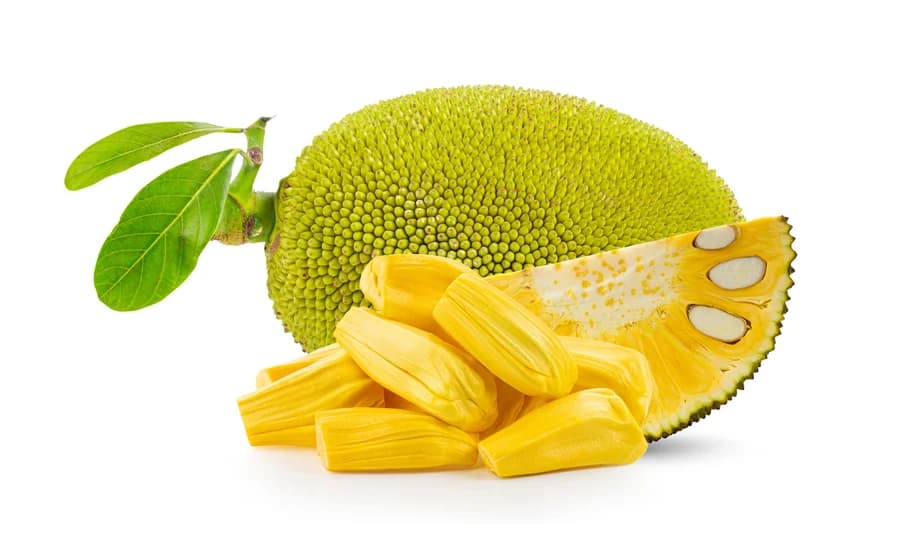
Jackfruit Benefits: Nutrition, Portions and Uses
Ripe jackfruit is a carbohydrate-rich fruit, while young green jackfruit is used as a savoury ingredient.


Healthy Seeds: Nutrition, Portions and Easy Ways to Eat Them
Chia, flax, pumpkin, sesame, sunflower and hemp each add something different. How to rotate seeds, portion them and store them well.

Iron Rich Foods: The Complete Vegetarian Food List
Lentils, chickpeas, dark leafy greens, jaggery, and seeds cover the full daily iron requirement for most people — no meat or fish needed. See the.
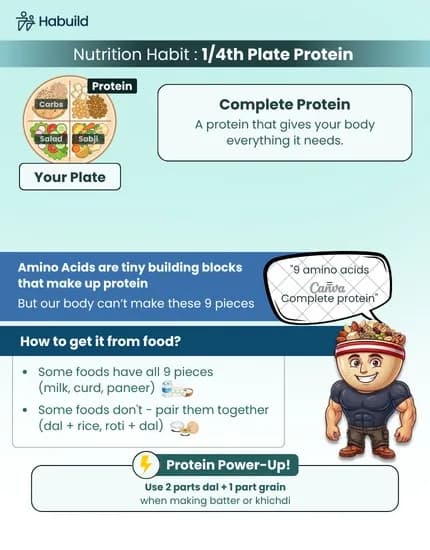
Complete Protein Foods: Can Vegetarian Meals Cover Your Protein Needs?
You do not need to combine foods at every meal. What matters is how much protein you eat overall, how varied your food is and whether you eat enough.