
Jackfruit Benefits: Nutrition, Portions and Uses
Ripe jackfruit is a carbohydrate-rich fruit, while young green jackfruit is used as a savoury ingredient.
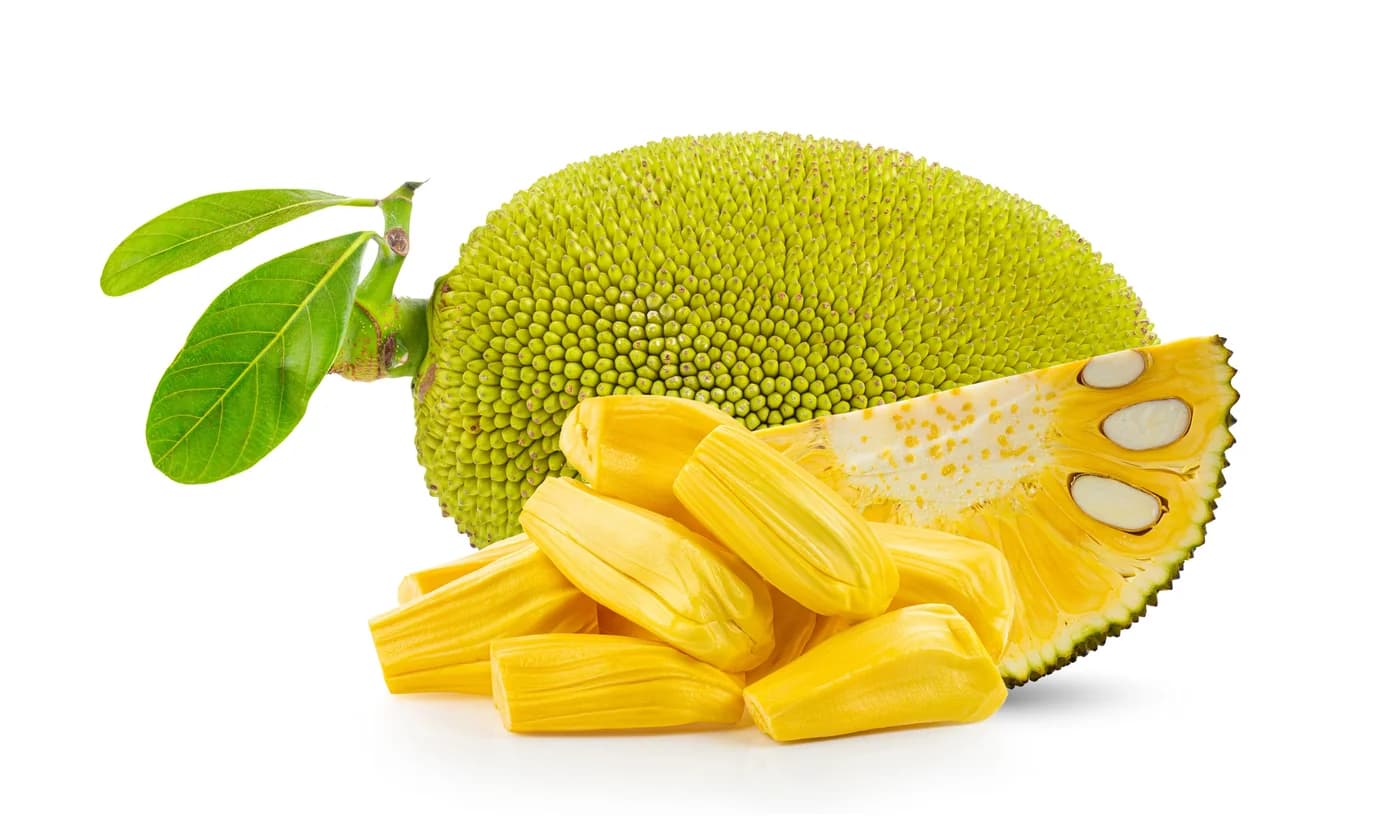
Key Takeaways
- Ripe jackfruit is a sweet fruit, while young green jackfruit is usually cooked as a savoury dish.
- Jackfruit provides carbohydrate, fibre, potassium and vitamin C, but it is not a high-protein food.
- Canned, fried and sweetened products can have very different sodium, fat and sugar levels.
- Choose the form and portion that suit the meal, blood-glucose goals, allergies and kidney health.
Ripe jackfruit is a carbohydrate-rich fruit, while young green jackfruit is used as a savoury ingredient. Neither form naturally matches the protein content of meat. This guide looks at jackfruit benefits, portions and uses with practical context and without exaggerated promises.
Ripe and young jackfruit are not the same food experience
Jackfruit contributes fibre, potassium and vitamin C, but preparation changes the profile. Packaged young jackfruit may contain considerable sodium; sweet products add sugar. Ripe bulbs are soft, fragrant and sweet, while young jackfruit (kathal, or chakka in Kerala) is picked before it ripens and cooked as a vegetable, with a mild taste and a stringy texture.
What jackfruit can realistically offer
Most jackfruit benefits come from its place as a fruit or vegetable-like ingredient, not from a drug-like action. Ripe bulbs contribute vitamin C, potassium and fibre along with natural sugars. Young jackfruit is less sweet and has a fibrous texture, but its protein content remains modest. Studies on isolated compounds or extracts cannot prove that a normal serving prevents cancer, controls diabetes or causes weight loss.
The useful comparison is with the food jackfruit replaces. Ripe jackfruit can add variety to a fruit rotation. Young jackfruit can replace the texture of meat in a curry or wrap, but dal, beans, tofu, dairy or eggs are still needed for meaningful protein. A heavily fried preparation or syrup-packed dessert should be judged as the complete dish, not given a health halo because it contains fruit.
From market to plate
- Use ripe bulbs as a fruit portion.
- Cook young jackfruit with dal or beans for protein.
- Rinse canned jackfruit to reduce surface sodium.
- Avoid presenting it as a complete protein replacement.
For a balanced meal, combine young jackfruit with a clear protein source, vegetables and a suitable grain or roti. Ripe bulbs work better as a fruit portion or dessert ingredient. Rinse canned young jackfruit when sodium is high, and check whether packaged products contain added sugar, oil or flavouring. Jackfruit does not require a special powder, empty-stomach routine or daily serving.
Portions depend on the form
A practical portion depends on ripeness, recipe and individual needs. Ripe jackfruit contributes more available carbohydrate than young jackfruit, so people monitoring glucose may need to count it as fruit. People on a potassium-restricted kidney diet need personalised advice. Start with a modest serving if the fibre is unfamiliar, and notice whether it causes bloating or loose stools.
Who needs extra caution
Jackfruit allergy may cross-react with latex or birch pollen. People with diabetes or kidney disease may need tailored carbohydrate or potassium advice.
Stop eating it and seek urgent help for breathing difficulty, facial swelling or faintness. Use clean hands and utensils when cutting fresh fruit, refrigerate cut pieces promptly and avoid mouldy or fermented-smelling flesh.
A realistic place for jackfruit in Indian meals
Jackfruit does not need to imitate meat to be useful. In Kerala-style curries, Bengali preparations, stir-fries or wraps, young jackfruit brings texture and absorbs spices well. The meal becomes more nutritionally complete when it includes a protein-rich ingredient rather than relying on jackfruit alone.
Questions worth asking before buying a packaged version
Check whether the pack contains young jackfruit, ripe fruit, flour, chips or a ready-to-eat curry. These products differ greatly. Compare sodium, added sugar, oil and serving size, and look for a short ingredient list that matches how you plan to use it.
Frozen and canned forms can be convenient and nutritious. Convenience is not a problem in itself; the relevant issue is what has been added and whether the product helps you build a satisfying meal. Rinsing canned pieces can remove some surface salt, while draining syrup reduces but does not erase added sugar.
Keeping waste and preparation manageable
A whole jackfruit is large, sticky and time-consuming to cut. Oil the knife lightly, protect the work surface and clean tools carefully after use. Pre-cut or frozen fruit can be a sensible choice for a smaller household. Refrigerate ripe bulbs and cooked dishes promptly, and freeze surplus portions when appropriate.
Planning a jackfruit meal
When using young jackfruit as the main texture in a meal, decide where the protein will come from before cooking. A chickpea and jackfruit curry, jackfruit wraps with rajma, or a stir-fry served with tofu is more balanced than jackfruit alone. If the recipe already includes coconut milk, deep-frying or a rich sauce, keep the added oil and portion in view. Ripe jackfruit can be served chilled, mixed with other fruit or folded into plain curd; its sweetness means it does not need a heavy syrup.
Seeds are edible after thorough cooking and can be added to curries, but they should never be eaten raw. People trying jackfruit for the first time can begin with a small serving because the fibre and fermentable carbohydrates may cause gas. Choose the least complicated form that works for the recipe, and pick another local fruit when price or availability is poor.
The takeaway is variety, not a miracle food
Jackfruit benefits are best understood as ordinary food benefits: flavour, fibre, useful micronutrients and another way to vary meals. It cannot detox the body, melt fat or replace diabetes treatment. Claims based on laboratory extracts should not be transferred to a home-cooked portion.
Enjoy ripe fruit when it is in season and use young jackfruit when its texture suits the recipe. If jackfruit repeatedly causes symptoms, does not fit a prescribed kidney or glucose plan, or is difficult to obtain, choose another fruit or vegetable. No essential nutrient depends on this one food.
Editorial sources
Frequently Asked Questions
Related Articles
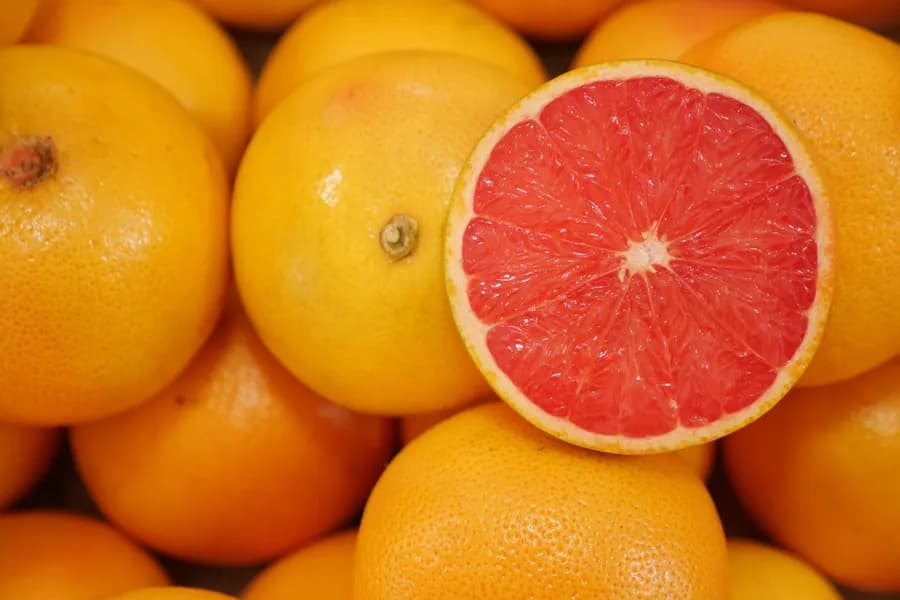
Grapefruit: Nutrition, Benefits and Easy Ways to Use It
Grapefruit can add variety, flavour and useful nutrients to a vegetarian eating pattern. Its exact nutrition depends on the form, serving and preparation.


Vegetarian protein: needs, myths and meal planning
Vegetarian meals can provide enough protein. Learn practical needs, simple Indian food sources, common myths and an easy meal-planning method.

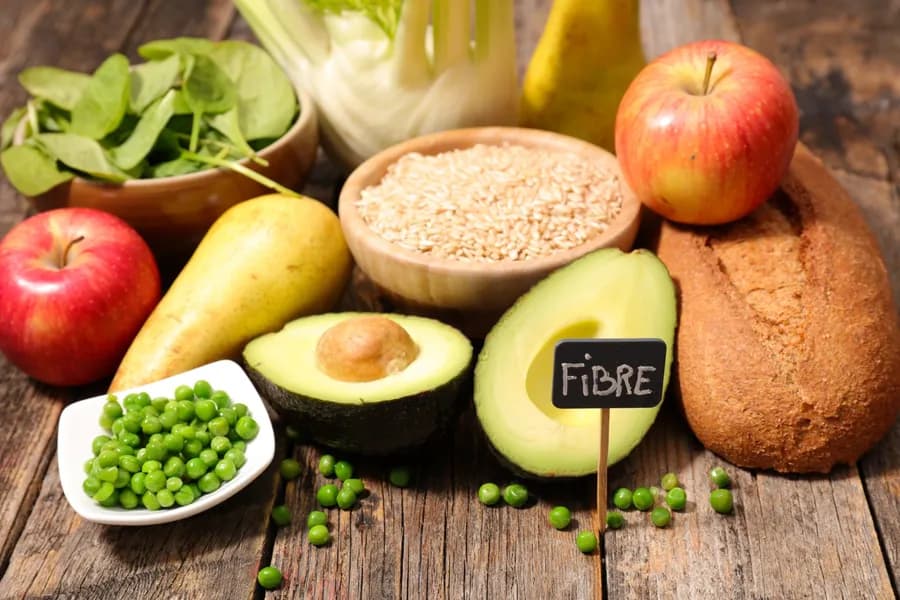
High-Fibre Foods: Simple Indian Meal Ideas
Find high-fibre Indian foods, easy meal ideas, gradual intake tips and practical advice for constipation and daily health.