
Papaya Leaves: Benefits, Dengue Evidence and Safety
Papaya leaf extract may raise platelet counts in dengue, but the evidence is weak. Learn what studies show, product risks and warning signs.
Key Takeaways
- Papaya leaf extract raised platelet counts in small trials, but evidence is low quality.
- No study shows it prevents severe dengue, complications or death.
- Homemade leaf juice has unknown strength and can cause nausea or allergic reactions.
- For dengue fever use paracetamol as advised; avoid ibuprofen and aspirin.
- Severe belly pain, persistent vomiting or bleeding needs urgent medical care.
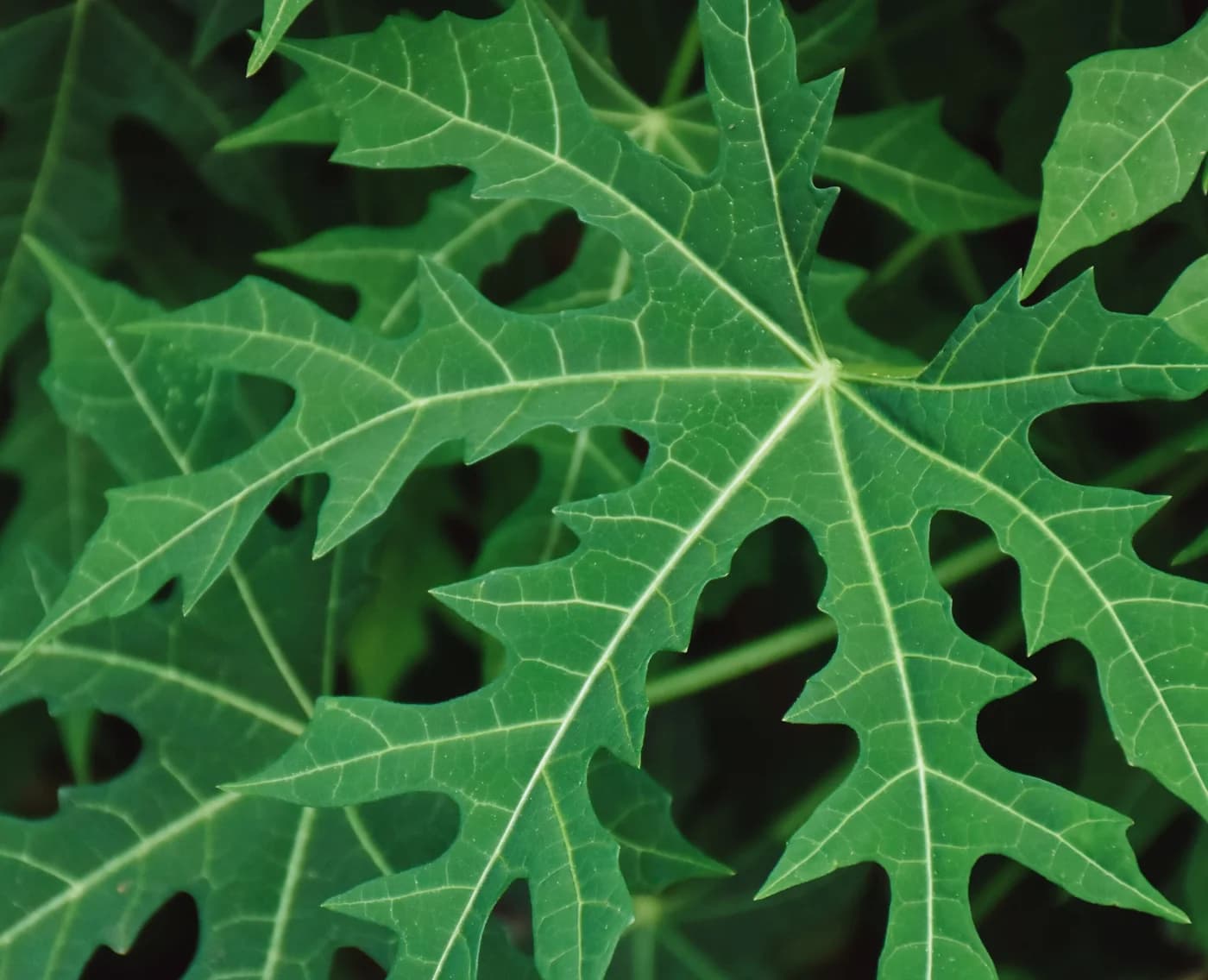
Papaya leaf juice and capsules are widely promoted for dengue and low platelet counts. Some studies of standardised extracts report faster platelet recovery, but the evidence is low quality, and papaya leaf is not a substitute for diagnosis, monitoring or medical treatment.
What the dengue studies found
A 2019 systematic review and meta-analysis pooled nine controlled trials of papaya (Carica papaya) extract in dengue, six of them from India. Seven reported higher platelet counts with the extract, and pooled results suggested a hospital stay about two days shorter. The authors rated this evidence as low quality and found no data on the outcomes that matter most, such as plasma leakage, severe complications or death. They concluded that current evidence is insufficient to judge the extract's role in dengue.
Why a platelet number is not the whole story
Platelet count is one laboratory marker. A rising count does not by itself show fewer bleeds, less plasma leakage or a lower risk of severe dengue. The trials also used different preparations under hospital monitoring that is not available at home, so no safe home dose follows from them.
Homemade juice is not a tested extract
- Crushed leaves vary in strength, and counting leaves or spoons does not measure the active compounds.
- Fresh leaves can carry dirt and microbes if not washed well.
- Nausea, vomiting and allergic reactions are possible, and interactions with medicines are not well defined.
- Pregnancy, childhood and liver conditions need particular caution; never give a child a reduced adult dose.
If you are considering any papaya leaf product, show the full label to the treating doctor and say exactly how much was taken and when.
Supportive care comes first
There is no specific treatment that cures dengue. Care focuses on rest, fluids as advised and fever relief. WHO advises paracetamol for pain and fever and avoiding NSAIDs such as ibuprofen and aspirin, which can increase bleeding risk. Do not stop prescribed care or skip a blood test to prepare a remedy, and do not force very large amounts of water without guidance, especially with heart or kidney problems.
During recovery, simple, easy-to-digest meals help; our guide to the best food for fever has practical ideas.
Papaya fruit is different
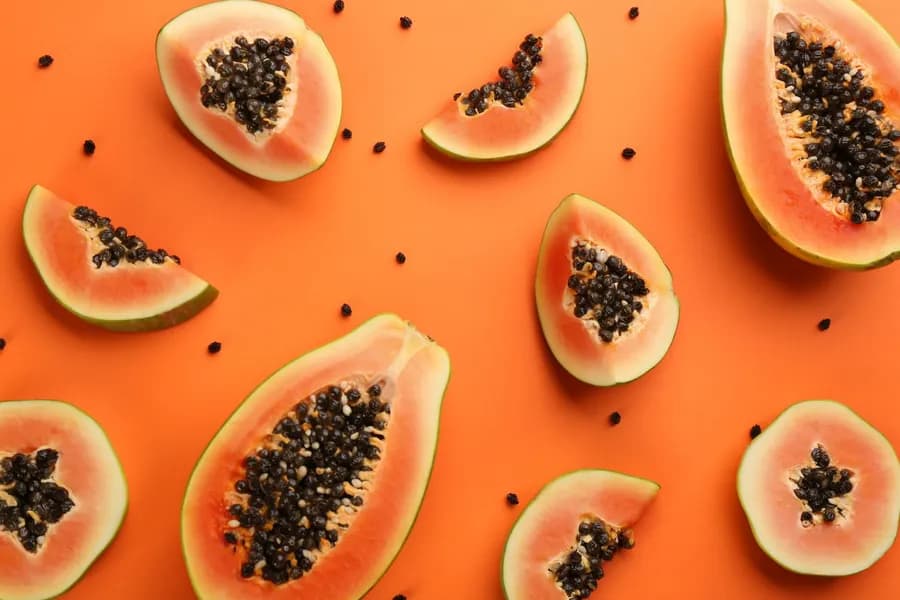
Ripe papaya fruit is a nutritious food that provides vitamin C, folate and fibre, as covered in our article on papaya benefits. It is not the same as a concentrated leaf preparation and cannot cure dengue. There is no established reason for healthy people to drink papaya leaf juice daily for immunity.
Prevention matters more than any remedy
Papaya leaf products do not prevent mosquito bites. The mosquitoes that spread dengue bite during the day, so:
- remove standing water and cover stored water around the home,
- wear clothing that covers arms and legs,
- use window screens and a suitable mosquito repellent,
- use a mosquito net if anyone sleeps during the day.
Continue bite prevention during illness to reduce the chance of mosquitoes spreading the infection to others.
Warning signs that need urgent care
Dengue can worsen quickly, sometimes just as the fever settles. Seek care immediately for severe abdominal pain, persistent vomiting, rapid breathing, bleeding gums or nose, blood in vomit or stool, extreme tiredness or restlessness, or cold, pale skin. Do not wait to see whether a juice works, and follow the testing and review schedule your doctor gives you.
Editorial sources
Frequently Asked Questions
Related Articles
Papaya Benefits: Nutrition and Simple Serving Ideas
Learn papaya nutrition, realistic benefits, serving ideas, digestion facts and safety tips in clear and simple language.


Best Food for Fever: What to Eat, Drink and Avoid
Fever is a symptom, not a diagnosis. The most useful food advice centres on hydration, appetite, safe preparation and warning signs.

Immunity Boosting Foods: What Actually Supports Your Immune System
No single food boosts immunity beyond what your body can already do — what certain foods can supply is the vitamin C, zinc, protein, and gut support your.