
Raisin Water: What It Really Does (and Doesn’t)
Raisin water is said to clean the liver, raise your blood count and help weight loss. Here is an honest look at what actually moves into the water.


Key Takeaways
- Raisin water contains some sugar but not the fibre of whole raisins.
- It does not detox your liver or treat anaemia.
- Anaemia needs testing and proper treatment.
- With diabetes, count raisins and raisin water within your plan.
Raisin water is everywhere on wellness feeds right now. The idea is simple: soak or boil a handful of raisins, drink the liquid in the morning, and supposedly your liver gets cleaned, your blood count goes up and your weight drops. It sounds easy and natural. But does the water do what people claim? Here’s an honest look.
What is raisin water?
It’s just the liquid left after you soak or boil raisins, which are dried grapes. Some people drink only the water and throw the raisins away, while others eat both.
Raisins are a nutritious food. The water, however, is a different story, and most of what makes raisins useful stays in the fruit itself.
What actually moves into the water
When raisins sit in water, some natural sugars and a few soluble compounds can seep out. How much depends on how long you soak them, how warm the water is and how many raisins you use, so the amount is hard to predict.
Most of the fibre stays in the fruit. Soaking also doesn’t create new nutrients. You get the same raisin, just softer and a little plumper. If you discard it, you throw away most of the goodness.
The big claims
Let’s go through the popular ones:
- “It detoxes the liver.” There’s no good evidence for this. Your liver and kidneys already clean your body around the clock, and no drink replaces that. If liver health is on your mind, our guide on how to reduce fatty liver naturally looks at habits that really help, and so does our article on how to detox your body naturally.
- “It cures constipation.” The whole raisins are more likely to help, because they keep their fibre. The water on its own is unlikely to do much.
- “It raises haemoglobin.” No good evidence supports this either. More on that below.
- “It melts belly fat.” No single drink causes weight loss. Meals, movement, sleep and portions matter far more.
Anaemia needs more than a drink
Feeling tired, pale or breathless can have many causes, and iron deficiency is only one of them. Anaemia needs a proper diagnosis, usually with a blood test, so you know the cause and the right treatment.
Drinking raisin water and waiting for your haemoglobin to rise can delay that. If you suspect anaemia, see a doctor. Food can support your iron intake, and everyday vegetarian options like dal, rajma, chana, spinach and other leafy greens are good places to start. Pairing them with a vitamin C-rich food, like a squeeze of lemon or some guava, can help your body absorb plant iron. But if a doctor prescribes iron, take it as directed instead of replacing it with a home remedy.
A better way to use raisins
If you like raisins, simply eat them. Whole raisins give you fibre and more of their nutrients than the water does. A few easy ideas:
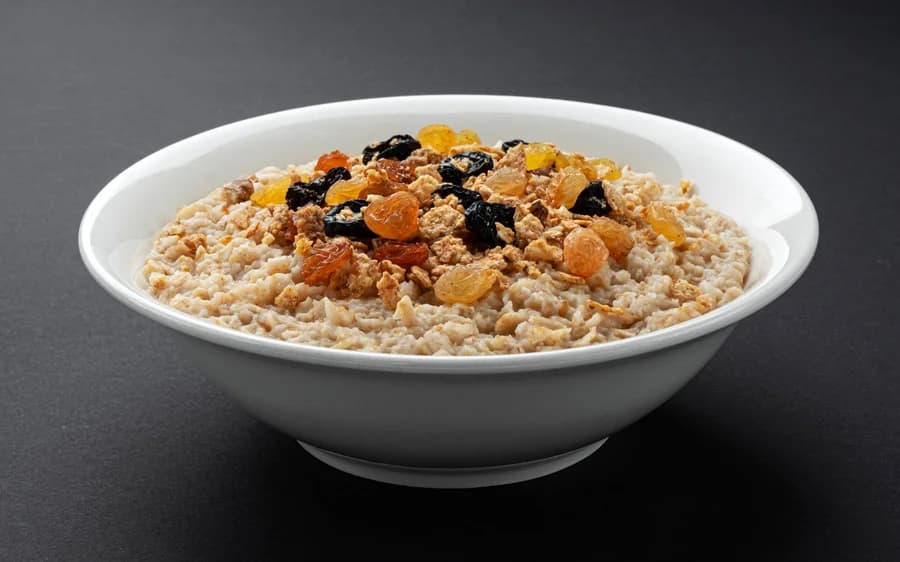
- Stir a small spoon into oats or porridge.
- Add some to a bowl of curd with a few nuts.
- Mix them into poha or upma for a touch of sweetness.
- Pair a few with roasted almonds or walnuts as a snack.
Soaked raisins are softer and easier to chew, which is helpful if you find dry ones tough. Just eat the raisins too, instead of pouring them away.
Watch the portion
Dried fruit is concentrated. Once the water is removed, the sugar is packed into a much smaller piece, so a small handful holds more fruit than it looks. It’s easy to eat a lot without noticing.
Raisins can also be sticky, which matters for your teeth. Frequent snacking on them gives mouth bacteria a steady supply of sugar, so they’re better with a meal than as an all-day nibble. Rinse your mouth with water afterwards and keep up your normal brushing with fluoride toothpaste.
If you have diabetes
Raisins and raisin water contain carbohydrate, and that counts toward your meal plan. Many people with diabetes can fit a small portion into their day, but the amount, the timing and the rest of your meal matter. Check your own readings if your care plan asks you to, and talk to your doctor or dietitian about what suits you. Our guide on how to control sugar naturally has easy everyday habits too.
Keep it clean and fresh
If you do make raisin water, a few simple steps help:
- Rinse the raisins briefly in clean water.
- Soak them in clean drinking water, preferably in a covered container.
- Keep it in the fridge if you aren’t drinking it right away, and use it within a day.
- Throw it away if it smells sour, looks fizzy or tastes odd, since that can mean it has started to ferment or spoil.
Don’t leave a jug sitting out for hours in warm weather. Use a clean glass and spoon each time.
Fitting it into your morning
If you enjoy the taste of raisin water, there’s no harm in a small glass now and then. Just don’t count on it as a health fix. A good morning routine is simple: water, a balanced breakfast with protein and fibre, and some gentle movement. A relaxed online yoga class is a lovely way to start your day.
And if you notice constant tiredness, ongoing constipation, unexplained weight changes or other symptoms that don’t improve, please see a doctor instead of trying one drink after another. For more everyday reading, browse our Habitology health guides.
A simple habit to try
Eat a small handful of soaked raisins with oats, curd or nuts, instead of drinking only the water, and keep it up for two weeks. Notice how you feel and whether it fits your routine. Keep it only if it’s comfortable and useful for you.
Editorial sources
Frequently Asked Questions
Related Articles
Raisins: Benefits, Portions and Everyday Ways to Eat Them
Raisins are sweet, handy dried grapes with fibre and potassium, but drying concentrates sugar. See sensible portions and easy Indian uses.


Iron Rich Foods: The Complete Vegetarian Food List
Lentils, chickpeas, dark leafy greens, jaggery, and seeds cover the full daily iron requirement for most people — no meat or fish needed. See the.
Iron Deficiency : Symptoms, Tests, Causes and Treatment
Iron deficiency can cause tiredness, weakness, breathlessness, headaches, palpitations, poor concentration, restless legs or pica, but symptoms…