
Raisins: Benefits, Portions and Everyday Ways to Eat Them
Raisins are sweet, handy dried grapes with fibre and potassium, but drying concentrates sugar. See sensible portions and easy Indian uses.

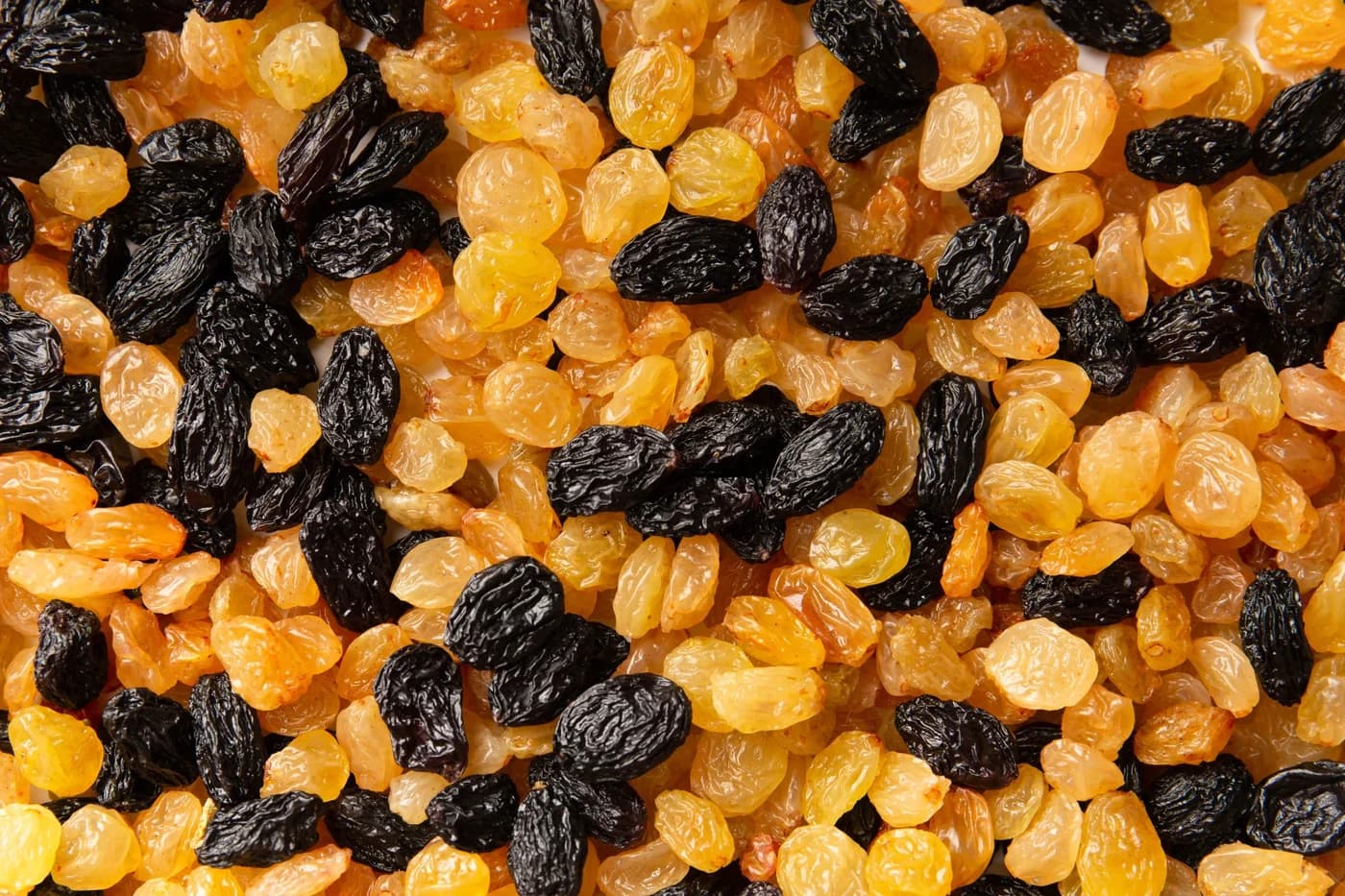
Key Takeaways
- Raisins give carbohydrate, some fibre, potassium and a little iron in a small volume.
- One to two tablespoons is a practical portion; drying concentrates sugar and calories.
- Soaking softens texture but does not remove sugar or create a detox effect.
- Pair raisins with nuts, curd or roasted chana to make a snack more filling.
- Raisins are sticky: eat them with meals, not by grazing, and brush twice daily.
Raisins (kishmish) are dried grapes. They are naturally sweet, easy to store and useful in small amounts, but removing the water concentrates their sugar and calories into a small volume. Here is what they offer, how much makes sense and how to use them in everyday meals.
What changes when grapes become raisins
Raisins provide carbohydrate, some fibre and potassium, plus small amounts of iron. They can contribute to a balanced diet, but they are not a treatment for anaemia. Because they are compact, it is much easier to eat a large portion than it is with fresh grapes.
One to two tablespoons, or a small closed handful, is a practical starting amount for many adults. Choose plain raisins rather than sugar-coated versions; the ingredient list matters more than whether they are golden or dark.
Easy ways to use a small portion
Stir raisins into oats, curd, poha or a homemade trail mix. They can add sweetness to pulao, kheer or a salad without needing much extra sugar. Pairing them with nuts such as almonds, seeds, curd or milk makes a snack more filling.
Soaking is optional. It softens the texture but does not remove the natural sugar or create a special detox effect. Use clean water, refrigerate if soaking for several hours and discard anything that smells fermented.
When the portion matters more
People who monitor blood glucose can still include raisins, but should notice the portion and the whole meal. Eating them with protein or fat is usually more satisfying than taking a large handful alone.
Raisins are sticky, so they can cling to teeth. Avoid grazing on them all day, drink water after eating and keep up regular brushing. Young children need chopped or softened pieces suited to their chewing ability.
Raisins compared with fresh grapes
Fresh grapes contain much more water, so a bowl looks larger for the same amount of carbohydrate and energy. Raisins are easier to carry and store, while grapes may feel more refreshing and filling. Neither is universally better; choose according to the meal, your appetite and the portion that works for you.
A small box of raisins is useful during travel or before prolonged activity because it provides quick carbohydrate. On an ordinary desk day, eating straight from a large packet makes the portion hard to notice. Put the amount you want in a bowl and close the packet first.
Where raisins work well in Indian meals
A few raisins can balance heat and acidity in pulao, vegetable biryani or a lightly spiced chutney. They also work in oats, daliya, homemade granola and curd. In sweets such as kheer or halwa, raisins add flavour but do not turn the dish into a low-sugar food.
For a simple snack, pair a tablespoon with unsalted nuts or roasted chana. This gives more texture, protein and fat than raisins alone. If a child dislikes plain curd or porridge, a few chopped raisins may add enough sweetness without making the whole bowl taste like dessert. Other dried fruits follow the same portion logic; see our guide to dates.
Digestion, medicines and storage
The fibre and natural sugars in dried fruit can help some people with bowel regularity, but a large amount may cause gas or loose stools. Increase gradually and drink normally. Constipation with pain, vomiting, blood, fever or a sudden lasting change should be assessed rather than managed by eating more dried fruit; our guide on relieving constipation covers everyday steps.
Store raisins in a sealed container away from heat and moisture. Clumping does not always mean spoilage, but visible mould, insects, a fermented smell or unusual wetness are reasons to discard them. People following a carbohydrate-controlled plan should count raisins as dried fruit, even when the label says no added sugar.
Raisins for children and older adults
Raisins are small and chewy, so consider age and chewing ability. For a young child, soften and chop them and supervise eating; do not offer food while a child is running or lying down. For an older adult with dentures, dry mouth or swallowing difficulty, soaked chopped raisins may be more comfortable than a sticky handful.
Because dried fruit is sweet and easy to nibble, it often stays in contact with teeth. Serve it as part of a meal or a defined snack rather than leaving a bowl out all day. Water after eating and twice-daily brushing with fluoride toothpaste matter more than labelling raisins good or bad for teeth.
People with kidney disease may need individual advice about potassium. A small portion is fine for many people, but a health condition can change what is appropriate, so follow your personal plan rather than a generic superfood claim.
Choosing a portion without overthinking it
Start with one or two tablespoons when raisins are a topping or snack ingredient. Use less when several sweet ingredients are already present, and more only when energy needs and appetite support it. Measuring once shows what a portion looks like; there is no need to count individual raisins.
Labels may show sugar even when the ingredient list contains only raisins. That is the fruit's naturally occurring sugar, not added sugar, but it becomes concentrated during drying, which is why a small-looking amount can contain substantial carbohydrate.
Enjoy raisins for convenience and taste, not as a cure for weakness, anaemia or poor memory. If fatigue continues, look for the actual cause through proper assessment; for dietary iron, see our list of iron-rich foods.
Editorial sources
Frequently Asked Questions
Related Articles
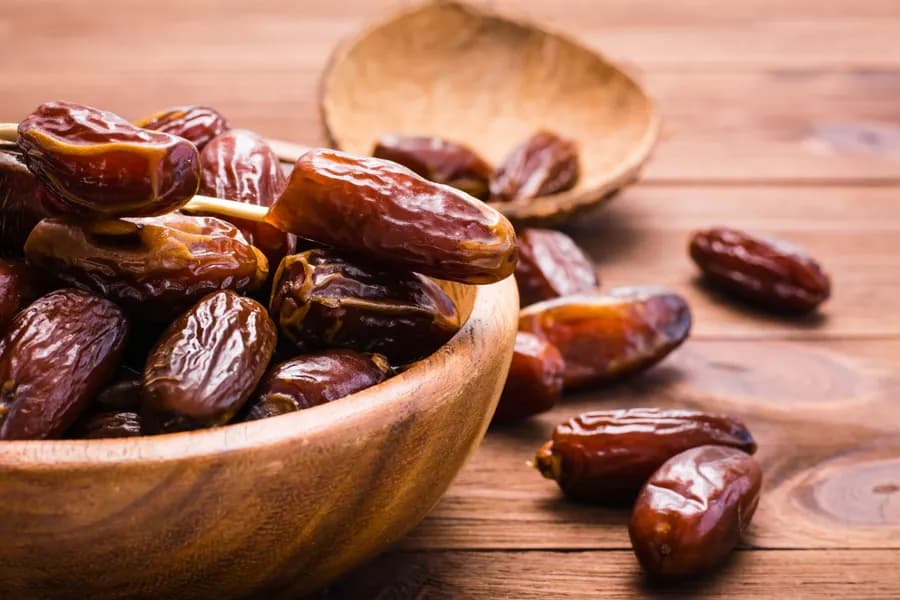
Dates Benefits: Nutrition and Portions
Dates are a sweet dried fruit rich in fibre and potassium. Learn realistic benefits, sensible portions and how to enjoy them daily.
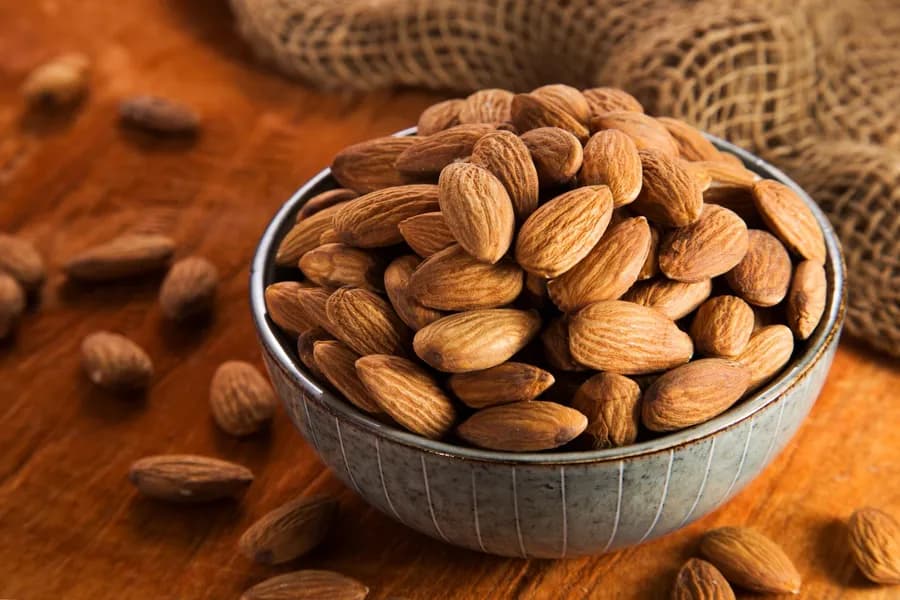
Almonds: Nutrition, Portions and Smart Everyday Uses
Almonds provide protein, fibre, unsaturated fat, vitamin E and magnesium in a compact serving. Learn smart portions and everyday uses.

Iron Rich Foods: The Complete Vegetarian Food List
Lentils, chickpeas, dark leafy greens, jaggery, and seeds cover the full daily iron requirement for most people — no meat or fish needed. See the.

How to Relieve Constipation: 7 Natural Methods That Actually Work
Diet, hydration, movement, and specific yoga poses address the root causes of both occasional and chronic constipation. See 7 natural methods that
