
Besan Nutrition: Benefits, Meal Ideas and Cooking Tips
What besan (gram flour) provides, how the recipe changes its value, easy chilla and kadhi ideas, and how it differs from sattu.
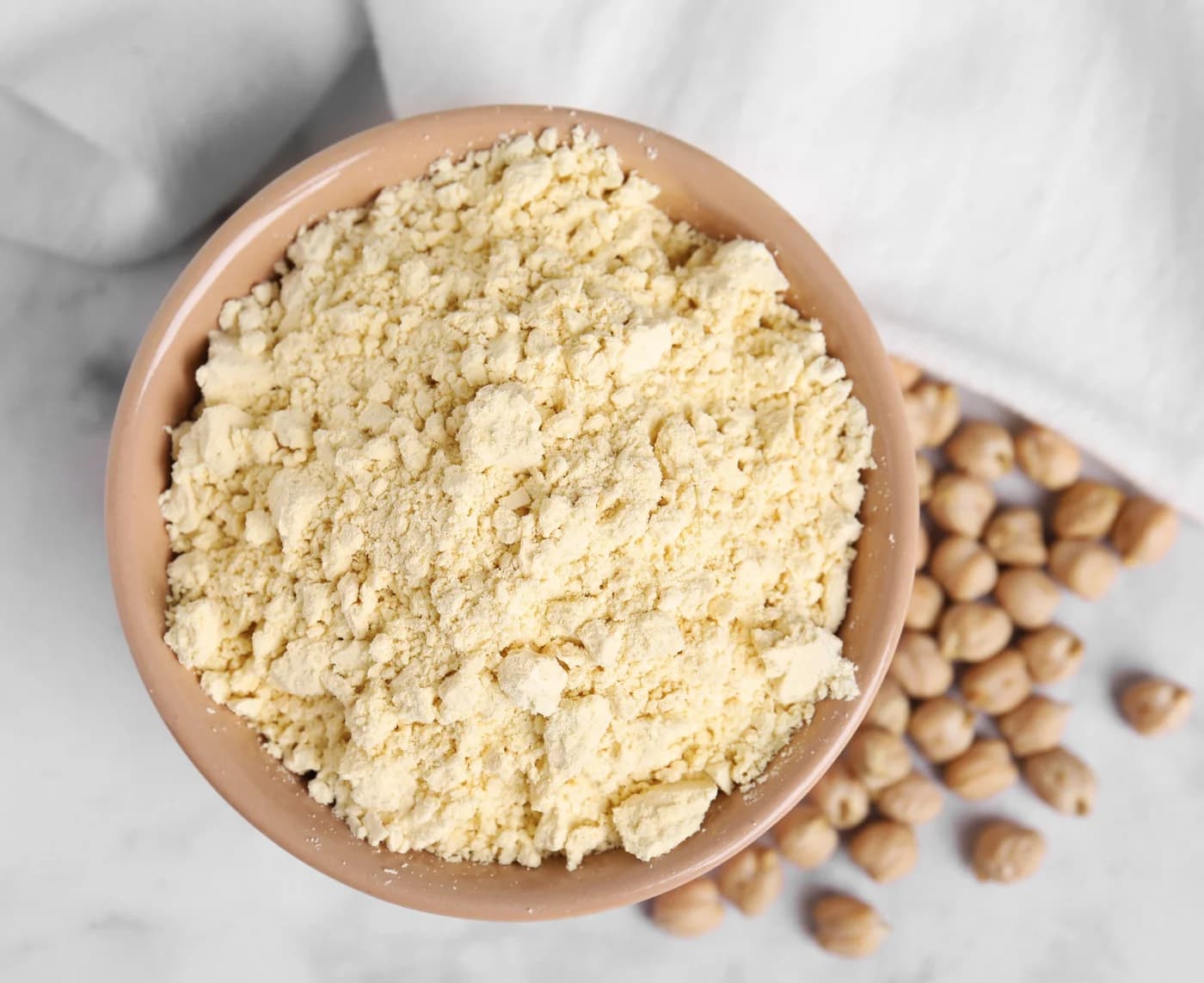
Key Takeaways
- Besan is ground chana dal: it gives carbs, plant protein, fibre, folate and iron.
- The recipe decides its value: a vegetable chilla beats fried pakoras for daily meals.
- Pair besan with tomato, lemon or amla to help absorb its plant (non-haem) iron.
- Naturally gluten-free, but people with coeliac disease need a gluten-free labelled pack.
- Sattu is roasted gram; raw besan cannot replace it in a sattu drink.
Besan, or gram flour, is made by grinding chana dal (split Bengal gram); some brands also mill whole chickpeas. It provides carbohydrate, plant protein, fibre and minerals such as iron and folate, and it is naturally gluten-free. Its real value depends on the recipe: a vegetable chilla and a plate of deep-fried pakoras both use besan but play very different roles in a day's eating.
What does besan provide?
As a pulse flour, besan supplies starch, plant protein and fibre along with folate, iron and magnesium. Like other pulses, its protein is relatively low in some amino acids that cereals supply, so eating pulses and grains across the day, such as kadhi with rice or chilla with roti, covers your needs. Values differ between chana-dal besan, whole-chickpea flour and branded mixes, so check the label on your pack. For whole chickpeas, see our guide to chickpeas benefits.
Besan contains a good amount of carbohydrate too. Calling it a protein food does not make it starch-free, which matters if you count carbohydrate for diabetes.
How the recipe changes the nutrition
- Chilla: a thin batter with vegetables, cooked with a measured teaspoon of oil, makes an everyday breakfast.
- Kadhi: besan thickens curd; served with rice and a vegetable it becomes a balanced lunch.
- Pakoras and sev: deep-frying adds a lot of oil and calories, so keep them occasional.
- Besan laddoo: ghee and sugar make it a sweet, not a protein snack.
Measure the oil the first few times you cook a recipe. Free-pouring can add more calories than the flour itself.
Build a more satisfying chilla

Mix besan with water to a pourable batter, then add finely chopped onion, tomato, capsicum, spinach or grated carrot. Cook on a lightly oiled pan until both sides are set. If a thick chilla browns outside but stays wet inside, make the next one thinner or lower the heat.
Serve it with plain curd, paneer or tofu for extra protein. A very thin chilla made from one spoonful of flour gives far less than a meal-sized portion. For a millet version, try our besan cheela with millet and veggies.
Iron, digestion and tolerance
The iron in besan is non-haem iron, which the body absorbs less easily than iron from animal foods. Eating it with vitamin C-rich foods such as tomato, capsicum, lemon or amla helps absorption.
If pulses tend to give you gas, start with a smaller cooked portion and increase gradually. Soft chilla or kadhi can be easier to chew than whole chana for older adults. Always cook besan batter through, avoid tasting raw flour to check seasoning, and wash hands and utensils after handling it.
Besan, chickpea flour and sattu
In most Indian kitchens, besan means flour from chana dal, while chickpea flour may be milled from whole chickpeas, with a slightly different colour, flavour and nutrient profile. Sattu is usually made from roasted gram or other roasted grains and pulses, so it is ready to stir into drinks. Ordinary raw besan is not a substitute in a sattu drink recipe.
Gluten-free, allergy and storage
Besan is naturally gluten-free, but it may be milled or packed alongside wheat, and this cross-contact matters for coeliac disease. Choose a product labelled gluten-free if you need to avoid gluten strictly. Chickpea allergy is a separate issue that a gluten-free label does not solve.
Store besan in an airtight container in a cool, dry place and use a dry spoon. In humid weather, buy smaller packs. Discard flour with mould, insects or a rancid smell.
Editorial sources
Frequently Asked Questions
Related Articles

Chickpeas Benefits: Nutrition, Cooking and Indian Meal Ideas
Kabuli chana is an affordable, filling pulse that adds protein, fibre and minerals to familiar Indian meals, from chole to sundal.

Besan cheela recipe with millet and veggies
Besan millet veggie cheela combines vegetarian protein from besan, variety from millet flour, and fibre from grated vegetables in one simple pan-cooked.
Black Chickpeas Benefits: Nutrition, Uses, and How Kala Chana Compares
Kala chana, the smaller, darker chickpea common across Indian kitchens, has a denser fibre content than the paler kabuli variety. See its full nutrition.

Protein-rich vegetarian foods: 1/4th plate habit
Explore protein, carbohydrates, healthy fats and meal planning for strength training, muscle building and recovery.