
Black Grapes Benefits: Nutrition and Serving Ideas
Black grapes get their colour from anthocyanins in the skin. See how they compare with green grapes and black raisins, plus easy serving ideas.

Key Takeaways
- Black grapes get their dark colour from anthocyanins, found mainly in the skin.
- Green grapes lack anthocyanins but have other polyphenols; both fit a varied diet.
- Black raisins are concentrated in sugar and energy, so keep portions smaller than fresh fruit.
- Cut grapes lengthways for young children, as whole grapes are a serious choking hazard.
Black grapes, often sold as kali angoor, are dark purple to almost black varieties of table grape. Like all grapes, they provide water, natural sugars, a little fibre and vitamin K. What sets them apart is the skin, which is rich in pigments called anthocyanins. This article looks specifically at what that colour means, how black grapes compare with green grapes and black raisins, and how to serve them well. For general grape nutrition, see our wider guide to grape benefits.
What makes black grapes dark
Anthocyanins are water-soluble plant pigments that give red, purple and blue colour to foods such as black grapes, jamun, blueberries and black carrots. In grapes they are concentrated in the skin rather than the flesh, which is why the inside of most black grapes is pale. Pigment levels vary with variety, ripeness, climate and growing conditions.
Laboratory and animal studies show that anthocyanins and other grape polyphenols have antioxidant and anti-inflammatory activity. Human evidence is more limited, and much of it uses concentrated extracts or juice rather than fresh fruit. It is fair to say that black grapes add a distinctive set of plant compounds to the diet. It is not accurate to say they prevent heart disease, cancer or ageing.
Black grapes vs green grapes
Black and green grapes are close in calories, sugar, fibre and most vitamins and minerals. The main difference is their polyphenol mix. Anthocyanins are the main pigment group in dark grapes, while green (white) grapes contain little or none and have relatively more flavan-3-ols. Both types carry resveratrol and other compounds in the skin.
In practice this means:
- Neither colour is a "superfood" compared with the other.
- Eating both colours across the week gives a broader range of plant compounds.
- The best choice is the grape that is fresh, affordable and enjoyable where you live.
Seeded black varieties also contain compounds in the seeds, but most grape-seed research uses concentrated extracts, which are a different product from chewing a few seeds.
Eat the skin, decide on the seeds
Because the pigments sit in the skin, peeling black grapes removes much of what makes them distinctive. Wash them under running water just before eating, then eat them whole if you are an adult or cut them for children. Seeds are safe for most adults to chew or swallow; remove them for young children and for anyone who dislikes the texture.
Black raisins (kali kishmish)
Black raisins are dried dark grapes. Drying removes most of the water, so sugar, energy, fibre and minerals are concentrated into a much smaller volume. A small handful of black raisins carries roughly the sugar of a far larger bowl of fresh grapes. They work well in porridge, curd or a trail mix and are a traditional soaked snack, but they are easy to over-eat. Choose plain raisins without added sugar or oil coating, and treat them as a sweet addition rather than a free snack.
Black grape juice keeps much of the pigment but loses most of the fibre and is quick to drink, so whole fruit is usually the better everyday choice.
Serving ideas
- Eat a small bowl of chilled black grapes as a snack or dessert.
- Halve them into curd, raita or a sprout salad.
- Add them to a fruit chaat with guava, apple and pomegranate.
- Toss a few into oats or a green salad for colour.
- Freeze halved grapes as an occasional summer treat for adults.
Pairing grapes with curd, nuts or a meal makes them more filling. Avoid adding sugar or syrup.
Safety points
Whole grapes are a well-documented choking hazard for young children because their size and shape can block a small airway. For children under five, cut grapes lengthways into halves or quarters and supervise eating. People managing blood glucose can usually include black grapes in a suitable portion alongside protein or fibre. Those with kidney disease or a potassium restriction should follow their own diet plan. Grapes and raisins are toxic to dogs, so keep them out of pets' reach. Grape-seed and resveratrol supplements are not the same as fruit; discuss them with a doctor first, especially if you take blood-thinning medicines.
Editorial sources
Frequently Asked Questions
Related Articles
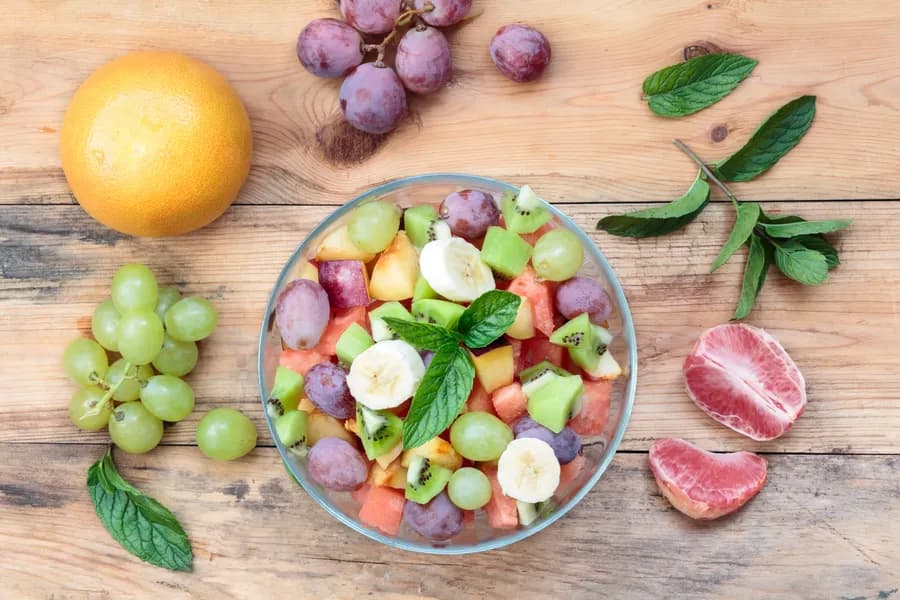
Grape Benefits: Nutrition, Portions and Safety
Grapes provide water, carbohydrate, potassium and plant compounds. Dark and pale varieties differ in flavour, but both can fit a varied diet.


Draksha (Grape): Benefits, Uses & Ayurvedic Properties
Draksha (Vitis vinifera), the grape, is one of Ayurveda’s most revered Rasayana fruits — nourishing, cooling, and rejuvenating for all three doshas..

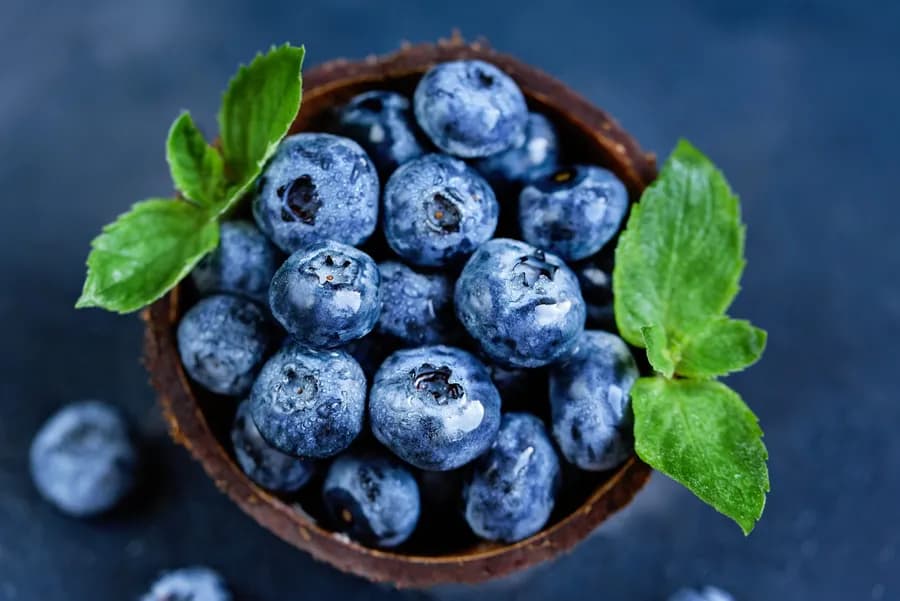
Blueberries: nutrition, benefits and easy ways to eat them
Blueberries add fibre, vitamin C and colourful plant compounds to meals. Learn what studies show, how to choose them and simple ways to eat them.
