
Brazil Nuts Benefits: Selenium and Safe Portions
Brazil nuts are exceptionally rich in selenium and also provide fat, protein, magnesium and fibre.

Key Takeaways
- Brazil nuts are exceptionally rich in selenium and also provide fat, protein, magnesium and fibre.
- A small amount can meet selenium needs, but more is not better.
- Selenium content varies widely with soil, so one nut can supply a substantial amount.
- Avoid combining regular Brazil nuts with selenium supplements without professional advice.
Brazil nuts are exceptionally rich in selenium and also provide fat, protein, magnesium and fibre. Selenium content varies substantially with growing conditions. This guide examines Brazil nuts with practical context and without exaggerated promises.
What Brazil nuts provide
A small amount can meet selenium needs, but more is not better. Claims about thyroid health, fertility or immunity should not encourage high daily intakes. Beyond selenium, Brazil nuts supply mostly unsaturated fat, some protein, magnesium, vitamin E and a little fibre, much like other tree nuts. In India they are imported and usually sold alongside almonds, cashews and walnuts in dry-fruit packs, often at a higher price.
What selenium does
Selenium supports normal thyroid function, reproduction and antioxidant enzymes. These normal roles are not proof that extra selenium boosts thyroid activity, fertility or immunity in someone who already gets enough. Deficiency and excess can cause problems, and symptoms are not specific enough for self-diagnosis. Supplements may overlap with Brazil nuts and multivitamins, so check labels before combining sources.
Why selenium makes portions important
Brazil nuts are unusually rich in selenium, but the amount varies widely with the soil and source. That variability makes "the more the better" especially unsafe. One nut may provide a substantial amount, and regularly eating a large handful can push intake too high. Brazil nut benefits can therefore be obtained with a small, occasional portion rather than a daily bowl.
What the research shows
Small human trials have found that eating Brazil nuts raises blood selenium levels, which confirms that they are a concentrated food source of the mineral. Studies looking further, at cholesterol, inflammation or thyroid markers, have been short, small and mixed in their results. There is no good evidence that Brazil nuts benefits include preventing thyroid disease, cancer or infertility in people who already get enough selenium from their diet.
Simple serving ideas for Brazil nuts
- Use one nut occasionally or follow individual professional advice.
- Mix small pieces into oats rather than eating large handfuls.
- Avoid combining regular Brazil nuts with high-dose selenium supplements.
- Store airtight to prevent rancidity.
A practical way to include them
Use a small amount with other unsalted nuts, chop one over oats or curd, or rotate Brazil nuts with walnuts, almonds and seeds. Store them airtight in a cool place because their fats can become rancid. Brazil nut benefits do not justify a fixed high-dose routine. If selenium treatment is medically necessary, use the measured product and follow-up plan recommended by the clinician rather than estimating a dose from nuts.
Buying and storing Brazil nuts
Buy Brazil nuts in small packs from a shop with good turnover, because their high fat content makes them prone to going rancid in warm, humid weather. Fresh nuts smell mild and have a firm, creamy interior; discard any that taste bitter, smell like paint or show signs of mould. Plain unsalted nuts are a better everyday choice than salted, sugar-coated or chocolate-covered versions. Keeping an opened pack in the fridge during the hotter months can help it stay fresh for longer.
Signs of excessive intake
Too much selenium over time can cause nausea, diarrhoea, a metallic or garlic-like breath odour, brittle nails, hair loss, skin changes or nerve symptoms. Stop high-selenium products and seek medical advice if these develop. Nut allergy is a separate risk; breathing difficulty, swelling or faintness requires urgent help. Whole nuts are also a choking hazard for young children.
Selenium from the whole diet
Selenium also comes from cereals, dairy, eggs, fish and other foods, with amounts varying by soil and production. This means a person can meet needs without Brazil nuts, and total intake cannot be judged from one food alone. A balanced diet plus a multivitamin may already provide enough. Check supplements for selenium names such as selenomethionine or sodium selenite and add the micrograms across products. Brazil nuts benefits should never be used to justify exceeding the supplement upper limit or treating a thyroid disorder without care. Thyroid symptoms can occur with both too little and too much selenium and also with many unrelated conditions. If a clinician recommends selenium, use the stated product and dose because nuts cannot provide a precise amount. Brazil nuts benefits are best kept culinary: rich flavour, unsaturated fat, protein and mineral variety in a very small portion. People who dislike them lose nothing essential by choosing other nuts and obtaining selenium from the wider diet.
Editorial sources
Frequently Asked Questions
Related Articles
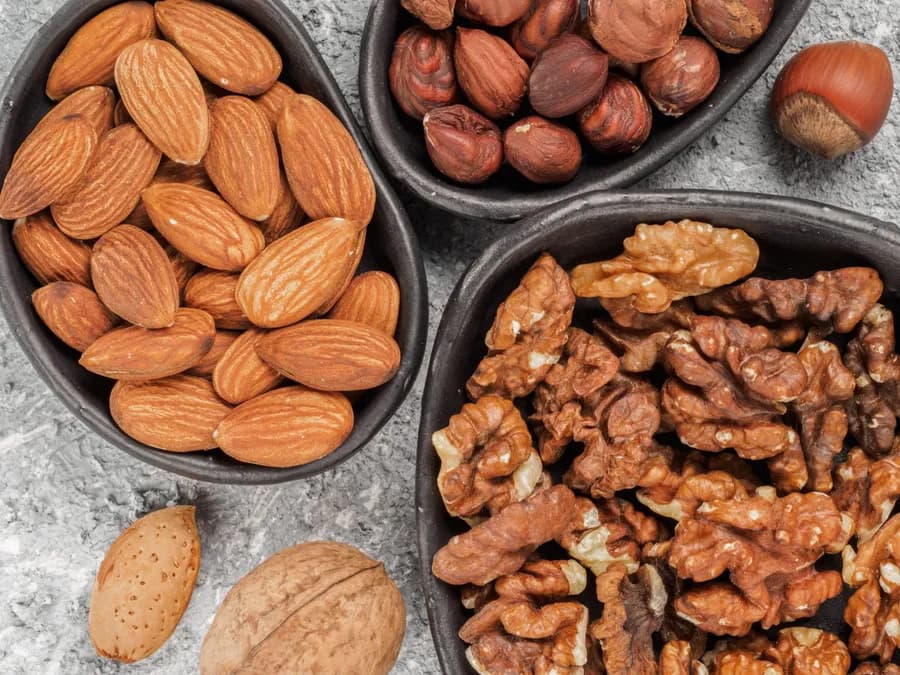
Healthy fats for brain: soaked almonds and walnuts habit
Healthy fats for brain health can come from simple vegetarian foods like almonds, walnuts, seeds and oils. Learn a simple soaked nuts habit.


Vegetarian protein: needs, myths and meal planning
Vegetarian meals can provide enough protein. Learn practical needs, simple Indian food sources, common myths and an easy meal-planning method.

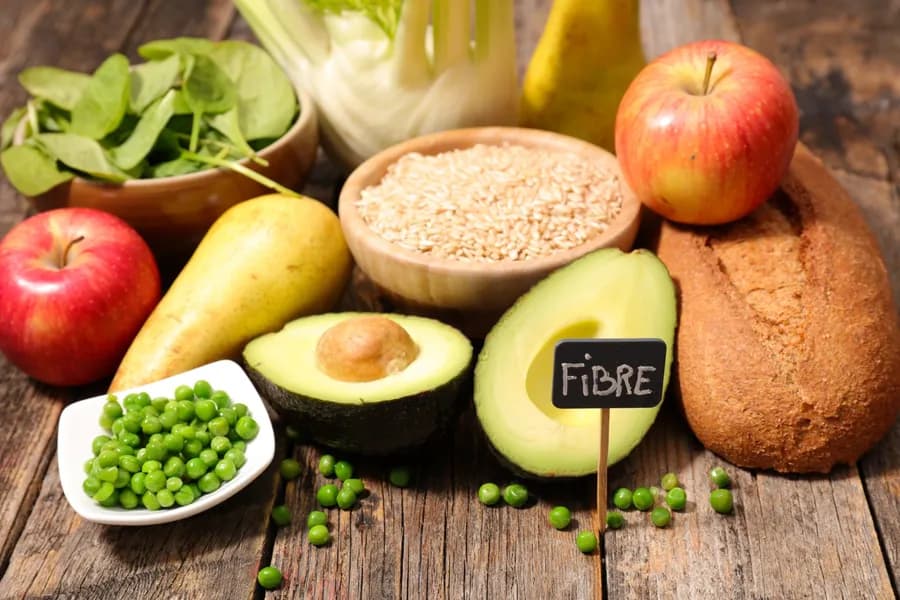
High-Fibre Foods: Simple Indian Meal Ideas
Find high-fibre Indian foods, easy meal ideas, gradual intake tips and practical advice for constipation and daily health.