
Brown Sugar vs White Sugar: Nutrition, Blood Sugar and Baking
Brown and white sugar are nutritionally almost identical. See what molasses really changes and how to cut free sugar in daily meals.
Key Takeaways
- Brown sugar is mostly sucrose coloured and flavoured by a little molasses.
- Its trace minerals are too small at normal servings to matter for health.
- Both count as free sugars; WHO advises under 10% of daily energy.
- Swapping colour does not help diabetes; reducing the amount does.
- Choose either for taste or texture in recipes, then use less.
Brown sugar and white sugar are nutritionally very similar. Brown sugar contains some molasses, which changes its colour, flavour and moisture, but the small mineral differences are not large enough to make it a health food. Both count as free sugars and are worth limiting. The more useful question is how much sugar you eat and how often, not which colour it is.
What makes brown sugar brown
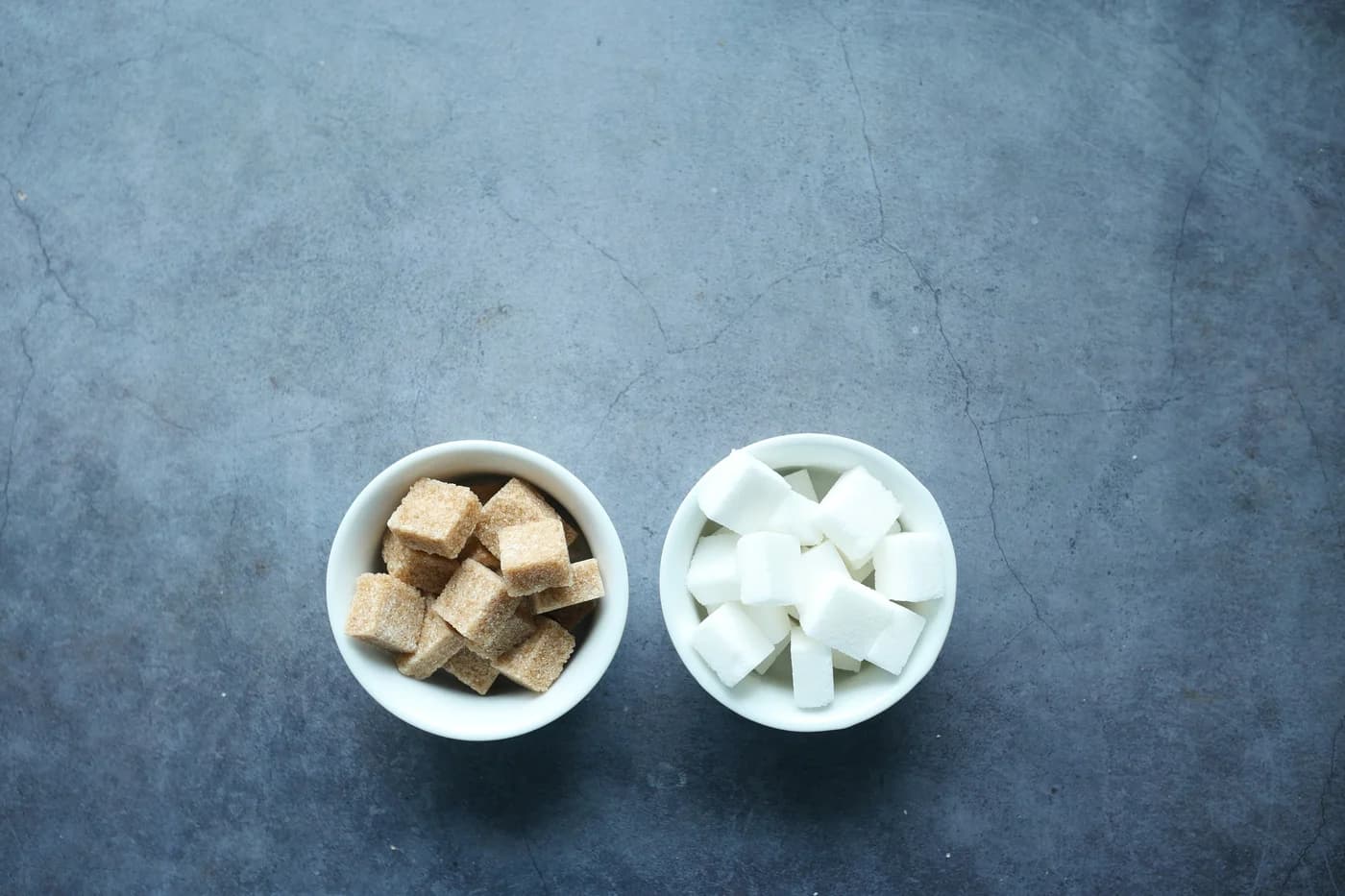
Both sugars come from sugarcane or sugar beet and are mostly sucrose. White sugar is refined until the molasses is removed. Brown sugar keeps or has molasses added back, which gives it a light caramel taste, a darker colour and a soft, slightly sticky texture.
Spoon-by-spoon nutrition
A teaspoon of either sugar adds almost the same amount of sugar and energy. Brown sugar carries traces of calcium, potassium and iron from the molasses, which you can see in nutrient databases such as USDA FoodData Central, but the amount in a normal serving is tiny. You would have to eat far too much sugar to get a meaningful dose of minerals. If you are trying to improve iron or calcium intake, foods such as dal, green leafy vegetables, milk, curd and nuts are much better sources.
What counts as free sugar
WHO defines free sugars as sugars added to foods and drinks by the manufacturer, cook or consumer, plus sugars naturally present in honey, syrups and fruit juices. Brown sugar, white sugar, jaggery and honey all belong in this group. Sugar inside whole fruit is treated differently because it comes with fibre and water.
Turning the WHO guideline into numbers
WHO recommends keeping free sugars below 10% of total daily energy, and suggests that going below 5% may bring further benefits. For an illustrative 2,000-calorie day, 10% is 200 calories, or about 50 g of sugar; 5% is about 25 g. This is the combined total from tea, sweets, packaged foods and drinks, not an allowance on top of what you already eat. Individual energy needs differ.
Blood glucose and diabetes
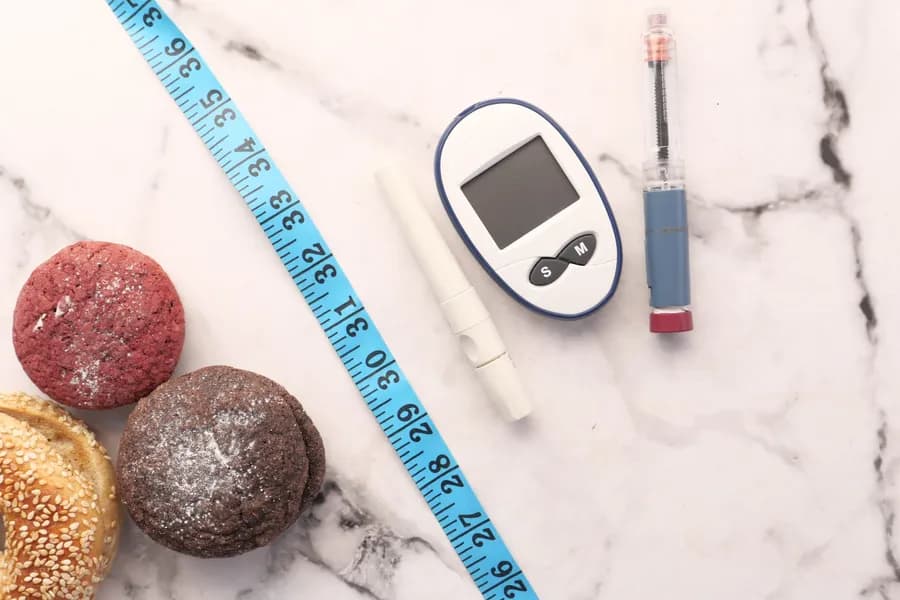
Neither sugar is a free choice for people with diabetes. Both are digested to glucose and fructose and can raise blood glucose. The rise also depends on portion, what else is in the meal and your own response. Replacing white sugar with the same amount of brown sugar is unlikely to change your readings. If you are comparing traditional sweeteners too, our guide to jaggery vs sugar explains why jaggery is not a free pass either. Do not change diabetes medicine based on a sweetener label.
Taste and baking differences
Here the differences are real:
- Flavour: brown sugar adds a molasses note that suits cookies, sauces and some desserts; white sugar is neutral.
- Moisture: molasses holds water, so brown sugar gives softer, chewier results.
- Measuring: packed brown sugar can vary by the spoonful, so weighing is more consistent in baking.
If you swap one for the other, expect some change in colour, flavour and texture. Judge a dessert by its full recipe and portion, not by which sugar it used.
Reading labels with care
Total sugar on a nutrition label can include natural sugars, such as lactose in plain milk, as well as added sugars. Check the ingredient list for names such as sugar, brown sugar, invert syrup, glucose syrup, honey and jaggery. A packaged snack made with brown sugar is still a sweet product, and "natural" or "unrefined" on the front does not mean low in sugar.
Practical ways to cut free sugar
- Reduce the sugar in tea or coffee by a little each week until the new taste feels normal.
- Swap sweetened drinks and packaged juice for water, plain buttermilk or whole fruit.
- Compare flavoured curd, breakfast cereals and sauces, and pick lower-sugar versions.
- Use cinnamon, cardamom or fruit to add flavour to porridge and plain curd.
- Enjoy a small dessert after a meal rather than sipping sweet drinks through the day.
If cravings make this hard, our guide on how to reduce sugar cravings has practical steps. Frequent sugar exposure also affects teeth, so regular brushing and dental check-ups matter.
Choose for the recipe, not a health halo
There is no need to pay more for a premium sugar on the promise of health benefits. If white sugar suits your recipe and budget, use it and focus on the amount. If you prefer brown sugar's flavour, choose it for that reason. Either way, a smaller amount enjoyed less often is what makes the difference.
Editorial sources
Frequently Asked Questions
Related Articles
Jaggery vs Sugar: Which Sweetener Is Actually Healthier?
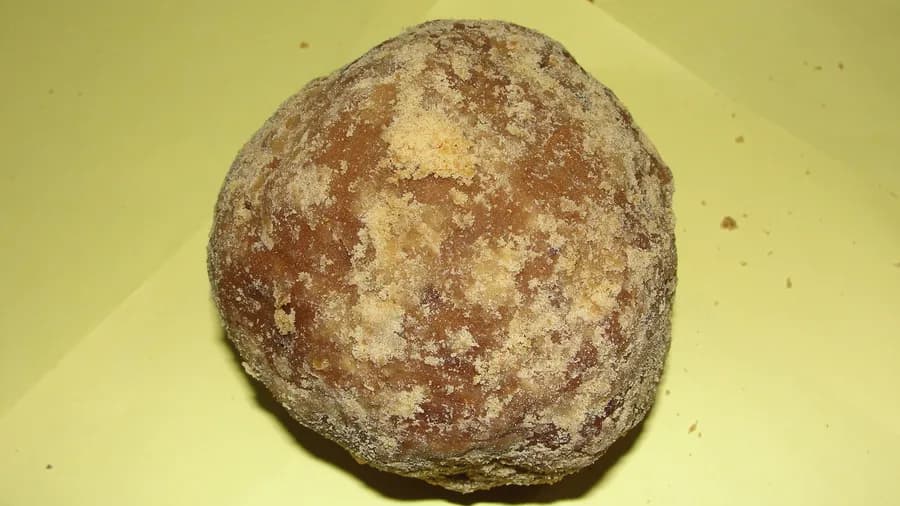
Jaggery is often seen as the natural, guilt-free option, but nutritionally that’s only partly true — both are concentrated carbohydrates that affect.

Sugar Substitutes: Types, Uses and Safety
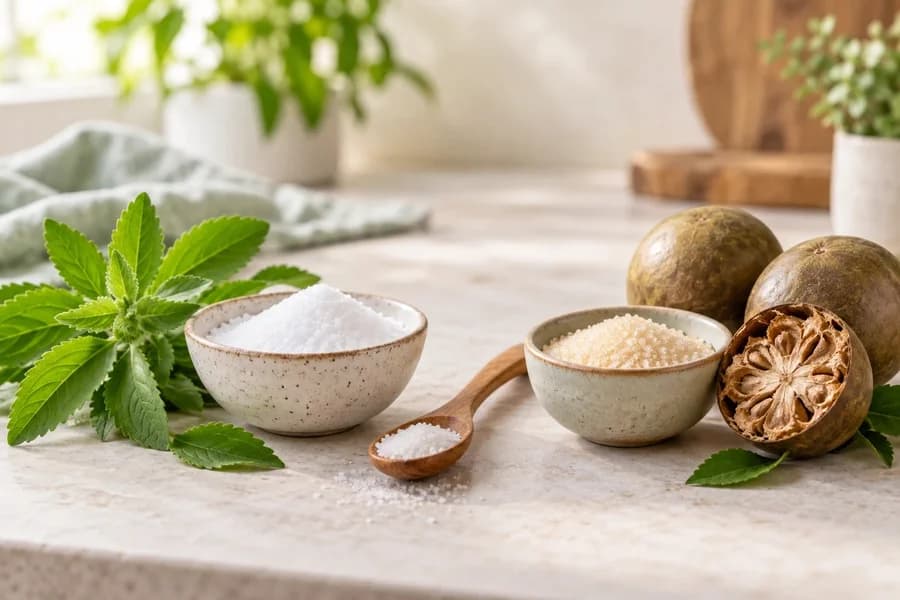
Sugar substitutes include intense sweeteners, sugar alcohols and low-energy sugars. Compare the main types and how to choose one sensibly.

How to Reduce Sugar Cravings: Why They Happen and What Helps
Sugar cravings are rarely just about willpower — they’re usually your body responding to blood sugar swings, poor sleep, or stress. See what actually.

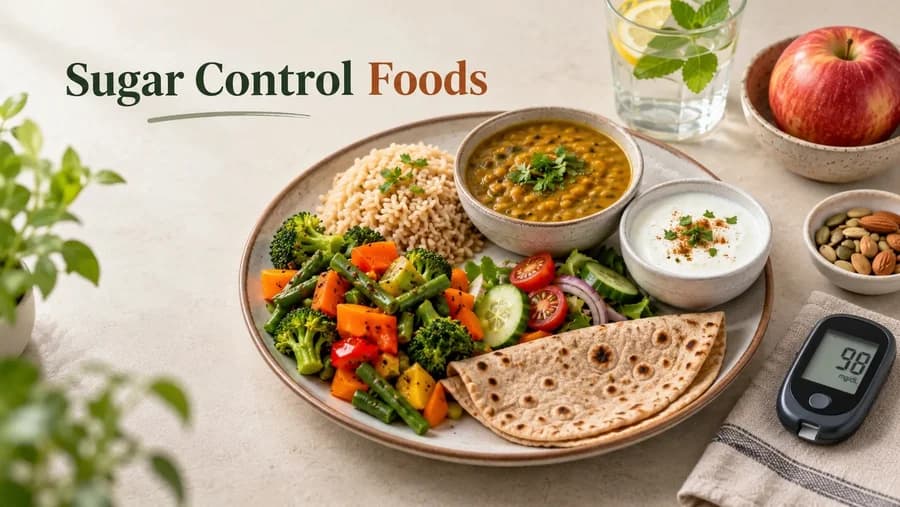
Sugar Control Foods: A Practical Indian Guide for Blood Glucose
No food instantly lowers blood glucose. Steadier readings come from the type and amount of carbohydrate, what you pair it with, and your overall routine.