
Can People with Diabetes Eat Dates? Portions and Blood-Sugar Tips
Dates concentrate natural sugars into a small volume. Diabetes does not make them forbidden, but portions need deliberate attention.

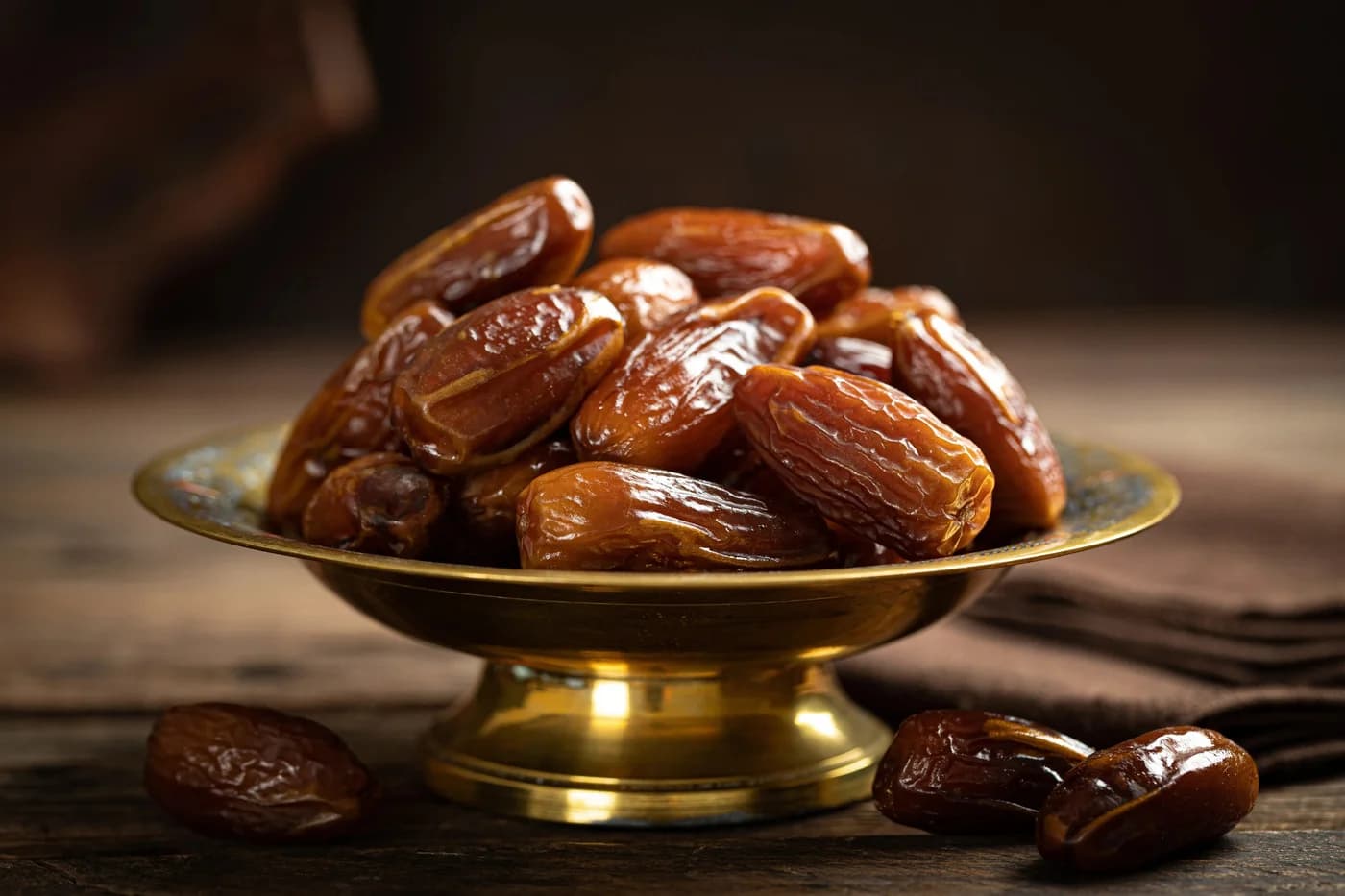
Key Takeaways
- Dates are concentrated fruit; one large Medjool and several small dates are different portions.
- Pairing a date with nuts or plain curd may aid fullness but does not cancel its carbohydrate.
- Date-sweetened laddoos and bars marketed as sugar-free can still carry substantial carbohydrate.
- Check glucose as advised and never adjust diabetes medicines on your own to cover sweets.
Dates are dried fruit, so natural sugars and calories are concentrated into a small volume. Diabetes does not make them automatically forbidden, but "natural sugar" still counts as carbohydrate and portions need deliberate attention.
Why dates raise blood glucose
Dates contain glucose and fructose along with fibre, potassium and plant compounds. Drying removes much of the water, leaving carbohydrate in a compact form, so two or three dates can disappear quickly while the equivalent fresh fruit would look much larger. The fibre and minerals do not cancel the carbohydrate. The response varies with variety, portion, ripeness and the individual. For general dates nutrition, see our guide to dates benefits and nutrition.
So, can diabetics eat dates?
Many people with diabetes can include a small, measured portion within their meal plan. The effect depends on the number and size of dates, the rest of the meal, activity and medicines. Check your own readings when monitoring has been recommended.
Start with a measured serving
Count dates before eating and check their size. Medjool dates are much larger than many common varieties, so one large date and several small ones are not interchangeable. Check the pack weight and treat a small amount as one carbohydrate choice within the meal, not as a free extra. Handfuls add up quickly.
Pairing dates with other foods
Pairing a date with a few nuts or unsweetened curd may slow eating and improve fullness. It does not neutralise the sugar, and it does not make an unlimited portion harmless. A stuffed date coated in chocolate remains a dessert.
Timing is not magical
There is no universal best time that prevents a glucose rise. A date before prolonged activity may provide convenient carbohydrate, while several after dinner simply add to an already complete meal. Match timing to hunger, activity and your care plan.
Monitoring your response
If post-meal checks are recommended, test at the advised time and note the exact variety and number of dates. If a portion repeatedly produces readings outside your target, reduce it or discuss it with your care team. Do not change medicine doses on your own to cover a sweet food.
Festive sweets and date-sweetened products
Bars, laddoos, barfi and spreads marketed as sugar-free may use date paste as the main sweetener. A label can say no refined sugar while the product still contains substantial total carbohydrate. Compare serving size and total sugars rather than trusting the front claim, and treat these as a dessert portion.
Date syrup, paste and powder lack much of the structure of whole fruit and are easy to use generously. Replacing white sugar gram for gram does not make a festive dessert suitable for unlimited eating. During festivals, choose a small piece, eat it after a balanced meal rather than as a separate snack, and look at the whole day's sweets together.
Dates during fasting traditions
Dates are culturally important for breaking a fast, but the rest of the meal still shapes glucose and comfort. Begin with water and a modest portion, eat slowly, and include vegetables and vegetarian protein afterwards. Anyone using glucose-lowering medicine should plan religious fasting with their clinical team before the observance begins.
Low blood sugar
During a low-glucose episode, follow the treatment instructions given by your clinical team. Dates are not always the fastest or easiest carbohydrate to measure in an emergency.
Who needs extra care
Dates are high in potassium, which suits most healthy diets but may need restriction in some kidney conditions. A renal diet is individual, so follow the portion your renal team gives you. Gastroparesis can change how fibre is tolerated, and sticky dried fruit contributes to dental-decay risk.
Dates add some fibre, but a small serving supplies only part of daily needs, and increasing dried fruit rapidly may cause gas or loose stools. Constipation with bleeding, severe pain, vomiting, weight loss or a lasting change in bowel habits needs medical assessment.
Buying and storage
Choose dates without mould, fermentation odour or damaged packaging. Store them airtight and away from moisture; refrigeration can extend quality after opening. Pits are a choking hazard and can damage teeth, so remove them before serving to children or blending.
Look at the complete day
A small serving fits more easily when other meals include vegetables, pulses, whole grains and suitable protein. The same dates have a different effect when added to sweetened drinks, desserts and frequent snacks. The goal is not to label dates perfect or forbidden, but to use a concentrated fruit knowingly, in an amount that fits you.
Editorial sources
Frequently Asked Questions
Related Articles

Dates Benefits: Nutrition and Portions
Dates are a sweet dried fruit rich in fibre and potassium. Learn realistic benefits, sensible portions and how to enjoy them daily.

Low Glycemic Index Foods: What They Are and Why They Matter for Blood Sugar
Low glycemic index foods raise blood sugar slowly and steadily instead of causing a sharp spike. See what glycemic index actually measures, and everyday.

Diabetic Meal Plan Indian Style: A Full-Day Guide to Balanced Eating
A diabetic meal plan doesn’t mean giving up dal, roti, or rice — it means getting portions, timing, and combinations right. See a full day of eating.
