
Can Pregnant Women Eat Mushrooms? A Practical Food Guide
Familiar cultivated mushrooms can fit into pregnancy meals. Choose fresh produce, cook it thoroughly and distinguish food mushrooms from extracts and wild varieties.
Key Takeaways
- Familiar food mushrooms are a reasonable pregnancy choice.
- Cook mushrooms thoroughly rather than eating them raw.
- Pair them with grains, pulses and vegetables for a full meal.
- Mushroom supplements are not the same as fresh food.
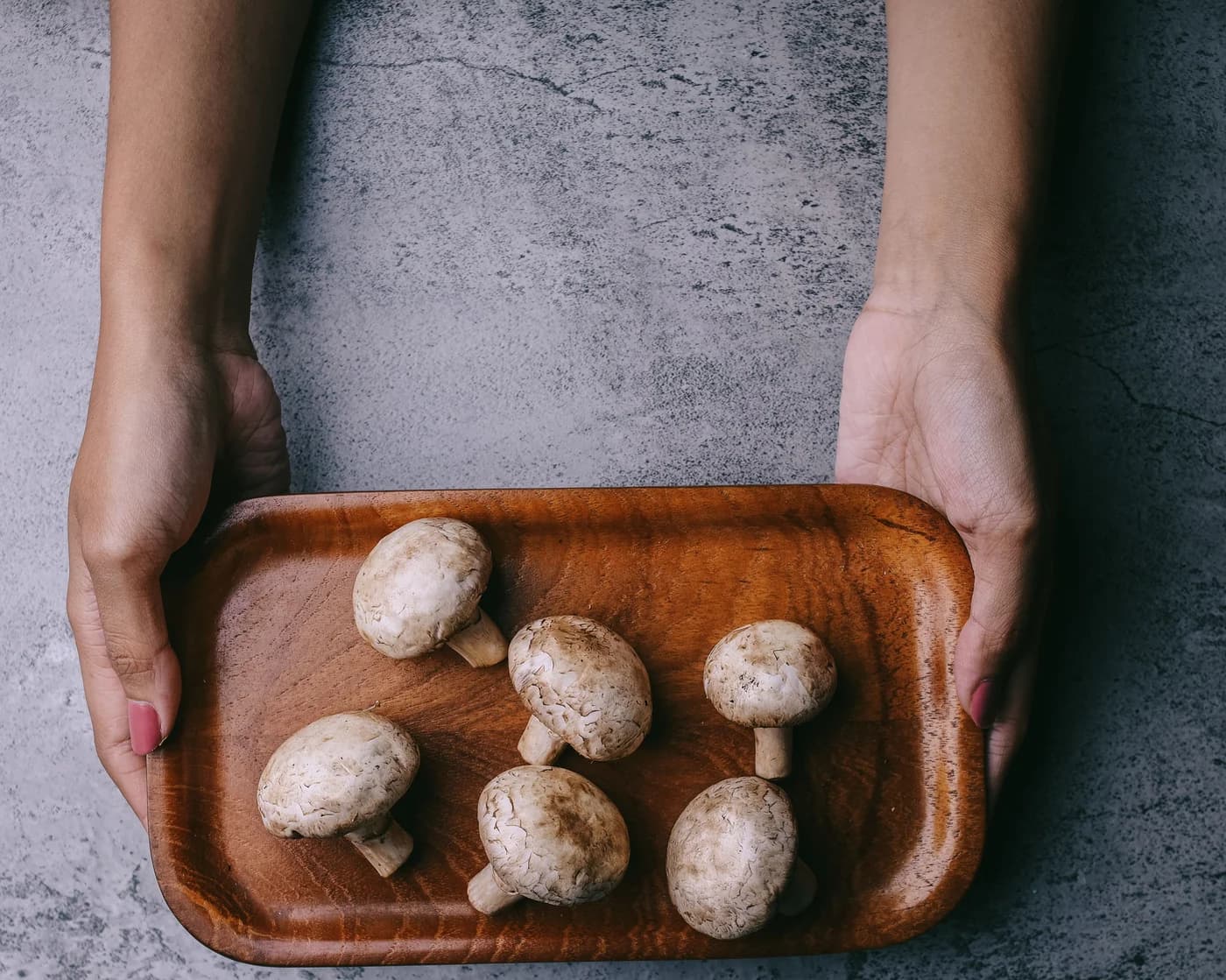
Yes, familiar edible mushrooms such as button, oyster and shiitake mushrooms can fit into pregnancy meals when they are fresh, properly handled and thoroughly cooked. You do not need to avoid them simply because they are fungi. The important distinction is between cultivated food mushrooms and unknown wild mushrooms or concentrated mushroom products.
A mushroom sabzi can add flavour and variety to a meal. It does not replace the protein, iron or supplements needed during pregnancy, and it does not need to carry promises about the baby’s development to be worth eating.
Choose familiar food varieties
Buying cultivated edible mushrooms from a reliable food seller is the simplest route. Button mushrooms are common in Indian shops, while oyster and shiitake varieties may also be available.
Avoid wild mushrooms unless identified through genuinely expert, established food-safety channels. During pregnancy, there is no reason to take a foraging risk. A photograph, phone app or advice from someone who says they ate a similar one is not a dependable safety check.
Cooking cannot reliably make a poisonous wild mushroom safe. That is separate from cooking an edible mushroom to reduce foodborne germs. The starting ingredient must be suitable to eat in the first place.
Why cooking is the useful default
Thorough cooking is the safer approach in pregnancy. It also improves the texture of many mushrooms, making them easier to include in a meal than a raw garnish.
Cook until they are hot throughout rather than giving a large pile a quick stir. A crowded pan may release a lot of water; allow enough time for the whole batch to cook. If adding mushrooms near the end of a soup, make sure they have time to heat through.
Enoki mushrooms deserve particular attention because they have been linked with Listeria outbreaks. They should be thoroughly cooked, including when used as a garnish or added to hotpot. A product known to be recalled should be discarded rather than cooked in an attempt to rescue it.
What do mushrooms contribute?
Mushrooms contain water and provide some fibre, B vitamins and minerals, with the amounts varying by type. They can add savoury depth to meals without needing a large amount of salt or a rich sauce.
Some mushrooms exposed to ultraviolet light provide vitamin D, but the amount is not consistent across all mushrooms. Do not assume an ordinary bowl covers a vitamin D requirement. Continue any pregnancy supplements recommended for you.
Mushrooms also contain some protein, but a small serving is not equivalent to a substantial portion of dal, beans, paneer or tofu. Their best role is often as the vegetable component of a meal, alongside those foods.
Make the meal complete
Pregnancy eating does not require a separate menu for every ingredient. Work mushrooms into dishes you already enjoy and can prepare comfortably.
For example:
- Add cooked mushrooms to a paneer or tofu bhurji, with roti on the side.
- Make a mushroom-and-peas sabzi and serve it with dal and rice.
- Use well-cooked mushrooms in a vegetable dalia dish, with curd if tolerated.
- Blend them into a hot soup and pair it with a substantial sandwich or other meal component.
What if nausea changes what you enjoy?
Strong smells and textures can become less appealing during pregnancy. If mushrooms trigger nausea, there is no need to force them. Other vegetables can provide variety while you choose protein foods and staples you tolerate.
Smaller portions or a mild preparation may suit you better than a strongly spiced gravy. You can also leave mushrooms out for a while and return to them later.
Store and prepare them well
Buy mushrooms that look fresh and have been stored appropriately. Avoid packs with obvious mould, extensive deterioration or a slimy texture. Keep them refrigerated and use them within the recommended period rather than waiting for the end of a large weekly batch.
Wash your hands and use clean utensils. Remove visible dirt and rinse or clean the mushrooms appropriately before cooking; do not use soap or bleach on food. Keep raw ingredients and their packaging away from ready-to-eat foods.
Refrigerate cooked leftovers promptly. Reheat them until hot throughout, and avoid food left sitting warm for hours. Mushrooms do not become uniquely poisonous when reheated, but poor storage creates avoidable food-safety risks.
Fresh food and supplements are different
A mushroom powder, extract capsule or medicinal tea may contain concentrated compounds or ingredients not found in an ordinary serving of cooked mushrooms. Safety information in pregnancy is often limited for those products.
Do not assume that a product sold for immunity, focus or energy is suitable because culinary mushrooms can be eaten. The same caution applies to products combining several mushrooms with other herbs.
Psychoactive mushrooms are another category entirely and should not be treated as food mushrooms. Advice about a cooked button mushroom meal does not establish their safety.
When symptoms need attention
If you develop fever, repeated vomiting, significant diarrhoea or feel notably unwell after a concerning food exposure during pregnancy, contact your maternity or healthcare service. Do not dismiss symptoms because the food looked normal.
If an unknown wild mushroom was eaten, seek poison or emergency advice promptly and keep a sample or photograph if safely available. Do not wait for severe symptoms, since some poisonings have delayed effects.
For ordinary meals, the message can stay reassuring. Choose familiar edible mushrooms, cook them thoroughly and include them with a varied meal. You can enjoy their taste without expecting them to provide every nutrient or avoiding them unnecessarily.
Editorial sources
Frequently Asked Questions
Related Articles
Food to Avoid While Pregnancy: A Complete Safety List
Some common foods carry a real risk of infection or toxin exposure that pregnant women and their babies can’t tolerate the way healthy adults usually do..
Pregnancy Diet First Trimester: Foods for Nausea and Folate
The first trimester needs its own approach — nausea makes eating well harder, and folate needs are at their most critical for your baby’s neural tube.

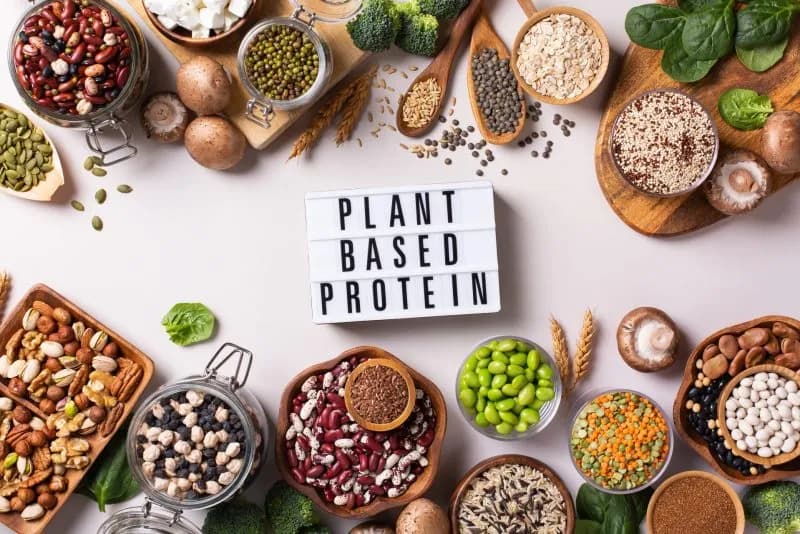
Protein Foods for Pregnancy: A Vegetarian Guide
Vegetarian diets can meet pregnancy protein needs with pulses, soy, dairy, nuts and seeds. Here is how to plan meals safely.
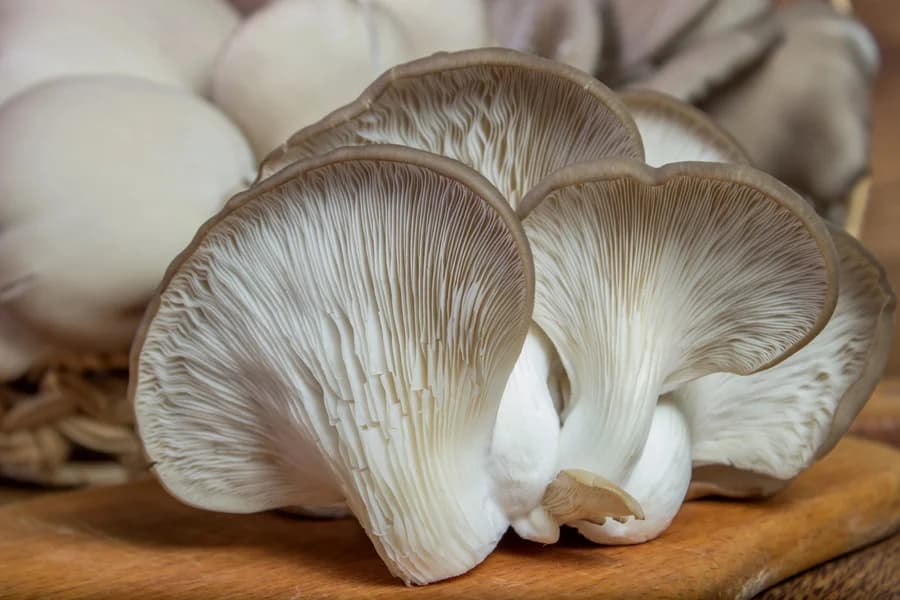
Oyster Mushrooms: Nutrition, Cooking and Safety
Oyster mushrooms add fibre, B vitamins and savoury flavour but only modest protein. How to clean, cook, store and buy them safely.