
Oyster Mushrooms: Nutrition, Cooking and Safety
Oyster mushrooms add fibre, B vitamins and savoury flavour but only modest protein. How to clean, cook, store and buy them safely.

Key Takeaways
- Oyster mushrooms are low in calories and add fibre, niacin and potassium.
- They give some protein, but far less per serving than dal, tofu or paneer.
- Brown them over medium-high heat; do not soak them before cooking.
- Store unwashed in a paper bag in the fridge and use within a few days.
- Never eat wild mushrooms identified only from photos or apps.
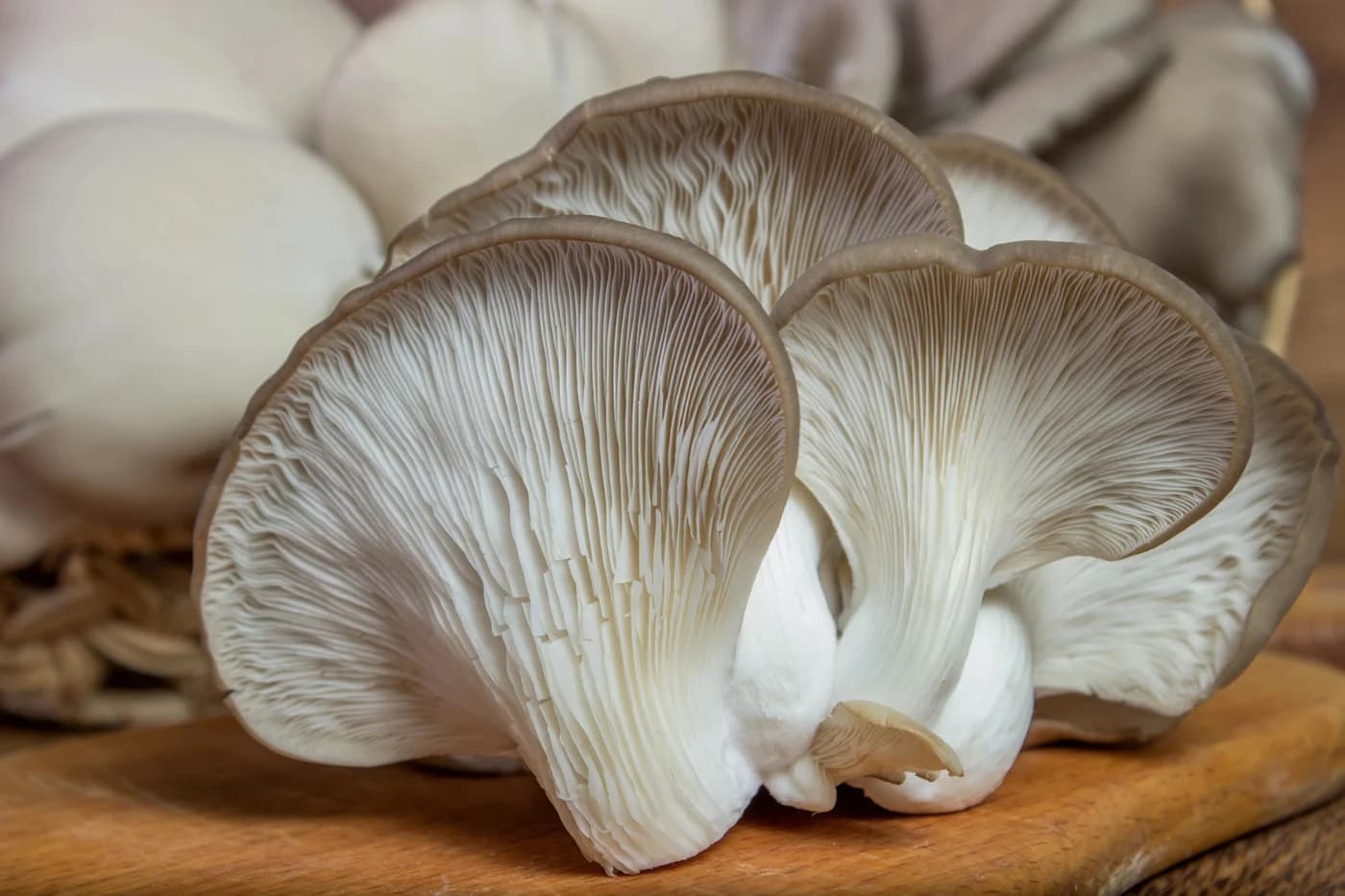
Oyster mushrooms have fan-shaped caps, a tender texture and a mild savoury flavour. They add fibre, B vitamins, potassium and a modest amount of protein to vegetarian meals, but they are not a protein replacement by themselves. Cooking improves texture and safety. Buy them from a reliable source, store them dry and cold, and avoid eating wild mushrooms identified only from photographs.
What do they add to meals?
What nutrients do they provide?
Oyster mushrooms supply fibre, niacin, riboflavin, potassium and other micronutrients in varying amounts. Their beta-glucans are being studied, but a normal serving does not become medicine. Nutrition also changes with species, growing substrate and cooking. They are best understood as one useful vegetable-like ingredient in a varied diet.
Are they rich in protein?
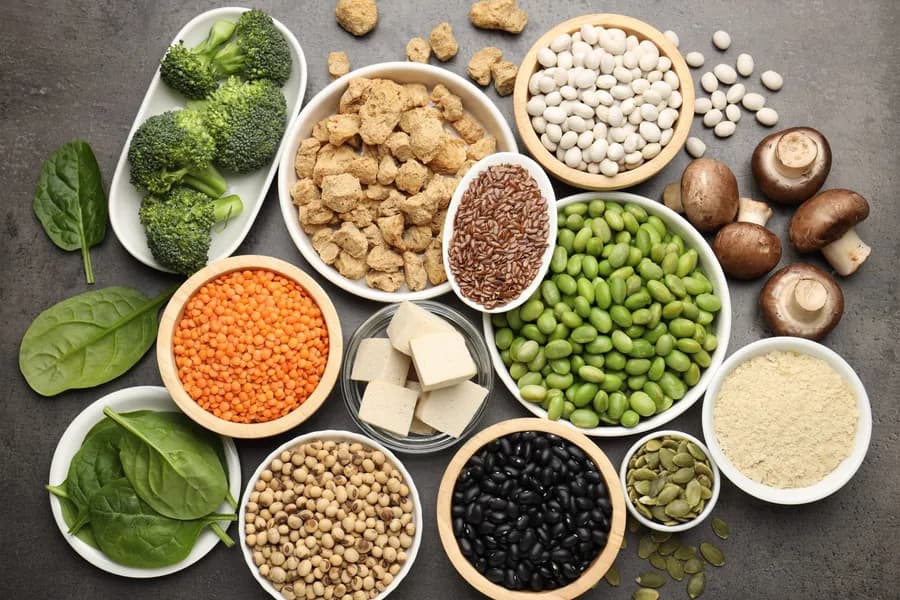
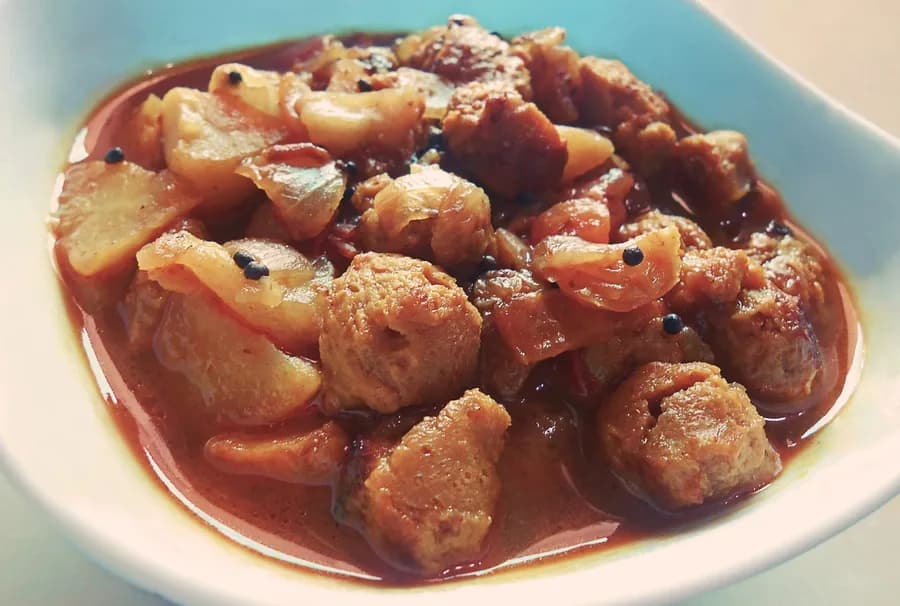
Mushrooms contain more protein than many watery vegetables by dry weight, yet fresh mushrooms are mostly water. A cooked bowl does not equal a serving of tofu, soya chunks or dal. Pair oyster mushrooms with beans, peas, paneer or tofu when building a protein-centred meal; our list of high-protein vegetarian foods has more options.
Can they provide vitamin D?
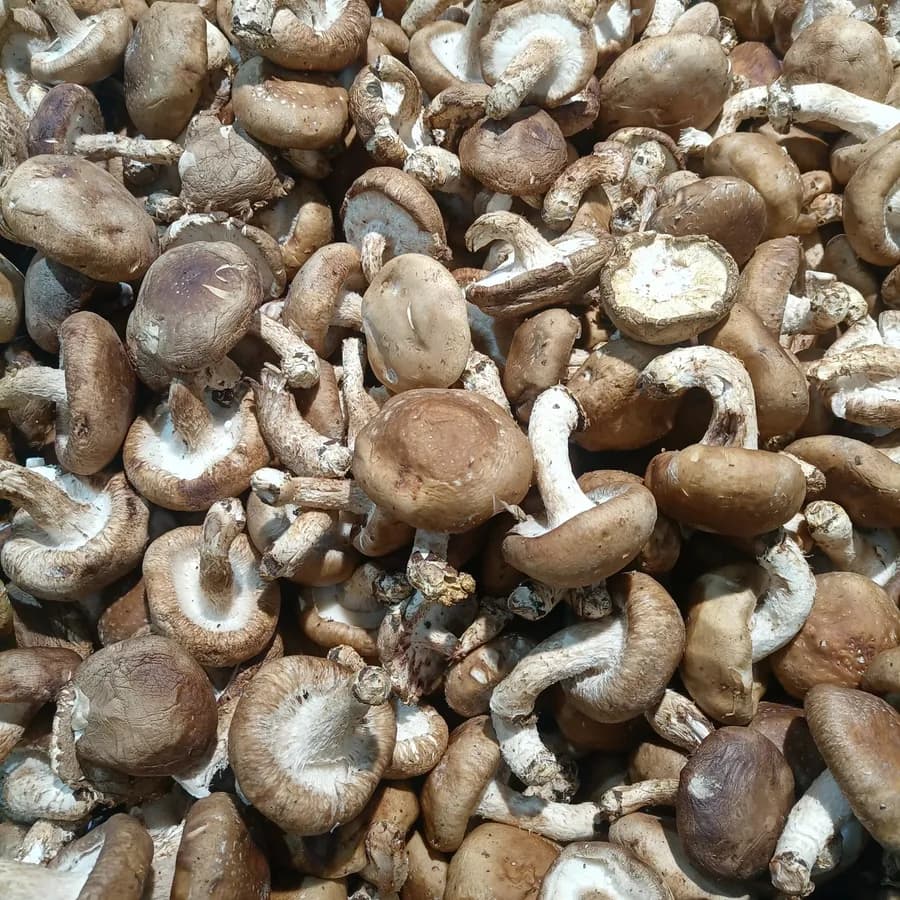
Mushrooms exposed to ultraviolet light can contain vitamin D2, but levels vary greatly. The package should state vitamin D content if it is a meaningful source. Ordinary mushrooms cannot be assumed to correct a deficiency, and treatment should follow a blood test and medical advice. See our guide to vitamin D-rich foods for other sources.
How should you cook them?
How do you clean them?
Trim the firm cluster base and brush away visible debris. A quick rinse is fine when needed, but do not soak them, because they absorb water and then steam instead of browning. Pat them dry before cooking and separate large caps so heat reaches them evenly.
Which cooking methods work?
Sauté over medium-high heat until moisture releases and the edges brown. They also work in stir-fries, pulao, soups, wraps and curries. Cook crowded batches in stages. A little oil carries flavour; large amounts are unnecessary. Add salt after some browning if you want a firmer texture.
How should they be stored?
Keep unwashed mushrooms in a paper bag or breathable container in the refrigerator. Sealed plastic traps moisture and speeds sliminess. Use them while the caps are firm and smell fresh. Discard mushrooms that are sticky, strongly sour, mouldy or badly discoloured.
When should you be careful?
Can they cause reactions?
Some people develop digestive discomfort or an allergy. Spores can irritate the airways of workers with heavy occupational exposure on mushroom farms. Start with a normal cooked portion if mushrooms are new to you. Hives, facial swelling, wheezing or faintness require urgent medical help.
Why avoid casual foraging?
Edible and poisonous mushrooms can look similar, and apps or online images are not reliable enough for safety. Never eat a wild specimen unless a qualified local expert has identified it. Cooking, drying or tasting does not make a poisonous mushroom safe.
A practical next step
For an easy dinner, brown oyster mushrooms with garlic, add capsicum or greens, and serve them with dal and rice or fold them into a tofu wrap. That combination uses their texture without overstating their protein. Buy only what you can use within a few days; freshness makes a bigger difference to enjoyment than searching for a rare mushroom supplement.
Editorial sources
Frequently Asked Questions
Related Articles
Vitamin D Rich Foods: Top 10 Sources to Add to Your Diet
Very few foods naturally contain large amounts of vitamin D — fortified milk, plant milks, and sun-exposed mushrooms cover most of what vegetarians need..
High Protein Vegetarian Foods: The Complete Indian Food List
Indian kitchens are already full of high protein vegetarian foods — dals, paneer, tofu, soy, and dairy. See the complete list, with protein counts, and.

Protein in Soya Chunks: How Much Is Really in There?
Protein in soya chunks is roughly 52g per 100g dry — one of the most concentrated vegetarian protein sources around, though the number changes once you.
Vitamin D: Sources, Deficiency and Safe Supplement Use
A simple guide to vitamin D sources, sunlight exposure, deficiency testing, supplement safety and practical daily habits to try.