
Protein Foods for Pregnancy: A Vegetarian Guide
Vegetarian diets can meet pregnancy protein needs with pulses, soy, dairy, nuts and seeds. Here is how to plan meals safely.

Key Takeaways
- Spread vegetarian protein across meals and snacks instead of one large serving.
- Pulses, tofu, paneer, curd and milk can anchor pregnancy meals.
- Protein powders are not automatically necessary or pregnancy-safe.
- Food hygiene and individual medical guidance matter throughout pregnancy.
Pregnancy increases protein needs to support maternal tissues, the placenta and fetal growth. A vegetarian diet can meet those needs through pulses, soy foods, dairy foods, nuts, seeds and grains when portions and total energy are adequate. Protein is only one part of pregnancy nutrition: iron, vitamin B12, folate, iodine, calcium, vitamin D and food safety need equal attention.
Why does protein matter in pregnancy?
Why needs increase
Protein supports the expanding blood volume, uterus, breasts, placenta and the baby's growing tissues. Exact needs change with the stage of pregnancy, body size and any medical conditions, so your doctor or dietitian can personalise the target.
You do not need to eat for two
Eating twice as much is unnecessary. Regular, balanced meals usually work better than forcing one very large protein serving.
Which vegetarian foods work best?
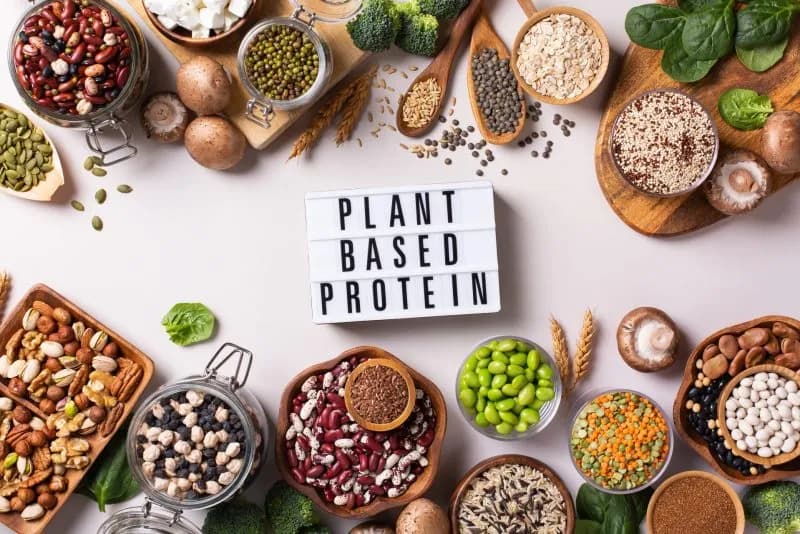
Pulses and legumes
Dal, chickpeas, rajma, peas and beans provide protein along with fibre, iron and folate. To make them easier on digestion:
- Soak and pressure-cook them well.
- Increase portions gradually if you are not used to them.
- Pair them with grains and vitamin C-rich vegetables.
- Avoid undercooked beans.
Soy foods
Tofu, tempeh and unsweetened fortified soy milk provide high-quality protein. Ordinary food portions are considered suitable for most pregnancies. Concentrated isoflavone supplements are different and should not be started without clinical guidance.
Dairy foods
Milk, curd and paneer contribute protein, calcium and vitamin B12. Choose pasteurised products and keep them refrigerated. Sweetened dairy drinks and desserts can add a lot of sugar, and very rich paneer dishes may crowd out vegetables and grains.
Nuts and seeds
Nuts and seeds add protein, healthy fats and minerals but are energy-dense. Use a small handful of nuts, a spoon of nut paste, or chia, sesame or pumpkin seeds as additions rather than as your only protein source. Allergy advice is individual; there is no need to avoid nuts routinely without a specific reason.
Is protein powder needed in pregnancy?
Most people can meet their needs with food. A powder may help in specific situations, such as severe nausea, very low appetite or a documented gap. However, some blends contain herbs, stimulants, contaminants or high doses of added vitamins, which are concerns in pregnancy. Use only a product your clinician has approved, and do not use it to replace meals.
What if nausea limits what you can eat?
Try small, frequent meals and cool or gentle foods such as curd, milk, tofu, khichdi or smooth dal. Fluids and your prenatal vitamins also matter during this phase.
Contact your maternity team promptly if you cannot keep food or fluids down, are losing weight, or show signs of dehydration such as very dark urine, dizziness or passing very little urine.
How to balance protein across a day
Include some protein at breakfast, lunch, a snack and dinner, rather than chasing a large total at night. A simple, repeatable pattern could look like this:
- Breakfast: curd with your usual meal
- Lunch: dal with rice or roti and vegetables
- Snack: a small handful of nuts or roasted chana
- Dinner: tofu or paneer with vegetables and a grain
Food safety for protein foods
Food hygiene matters throughout pregnancy:
- Choose pasteurised milk, curd and paneer.
- Cook pulses and beans thoroughly.
- Refrigerate cooked food promptly and reheat it until piping hot.
- Eat freshly and hygienically prepared food, especially when eating out.
When to get individual advice
Speak to your doctor or a registered dietitian if you follow a vegan diet, have a medical condition such as diabetes or kidney disease, are carrying more than one baby, or are struggling to eat enough. Unexplained weight loss, persistent vomiting, fainting or abnormal glucose readings need prompt assessment.
Editorial sources
Frequently Asked Questions
Related Articles
Prenatal Vitamins for Pregnancy: What They Cover and Why They Matter
Prenatal vitamins combine folic acid, iron, calcium, vitamin D, and sometimes DHA in one dose — but the right combination depends on your individual.

Food to Avoid While Pregnancy: A Complete Safety List
Some common foods carry a real risk of infection or toxin exposure that pregnant women and their babies can’t tolerate the way healthy adults usually do..
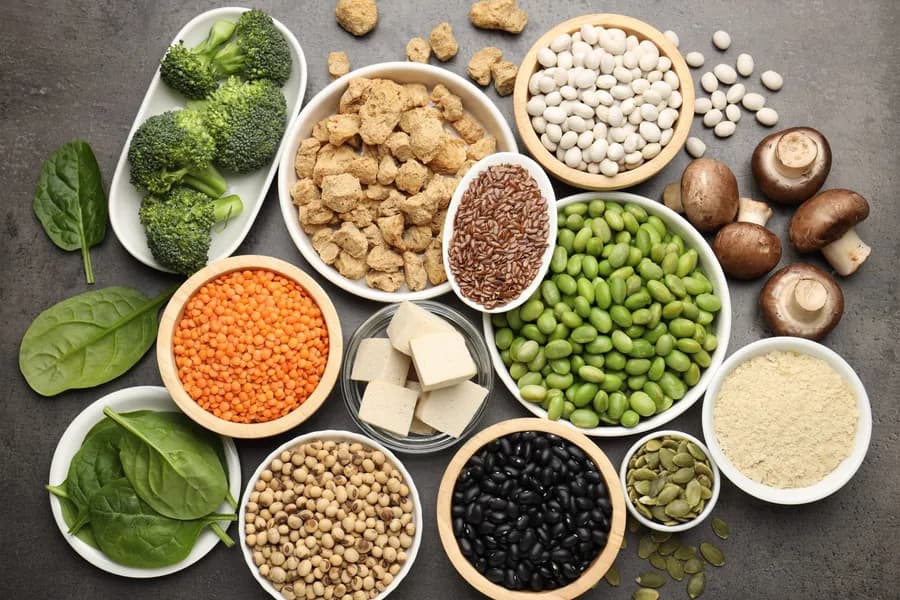
High Protein Vegetarian Foods: The Complete Indian Food List
Indian kitchens are already full of high protein vegetarian foods — dals, paneer, tofu, soy, and dairy. See the complete list, with protein counts, and.