
Pistachio Benefits: Portions and Simple Meal Ideas
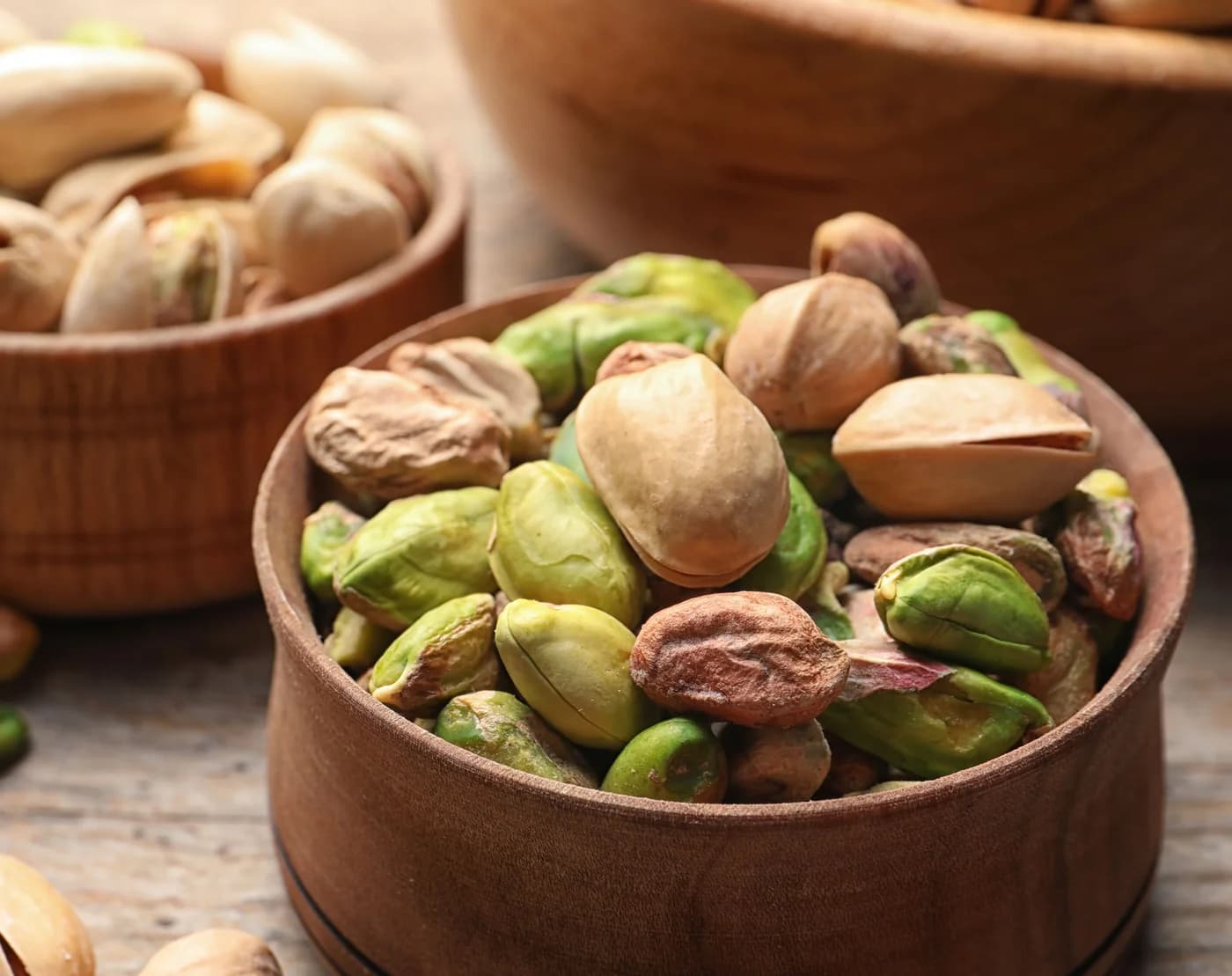
Pistachios are small tree nuts with a naturally green centre and a mild, slightly sweet flavour.

Key Takeaways
- Pistachios provide unsaturated fat, fibre and plant protein.
- They contribute vitamin B6, thiamin, copper, phosphorus and potassium.
- A small handful is a practical portion for many adults.
- Salted, sugar-coated and heavily flavoured varieties change the nutritional profile.
- Tree-nut allergy can cause a serious reaction.
Pistachios are small tree nuts with a naturally green centre and a mild, slightly sweet flavour. They provide unsaturated fat, plant protein, fibre and several vitamins and minerals.
Pistachio benefits are most realistic when the nuts replace a less nutritious snack or add balance to a meal. They are energy-dense, so a sensible portion matters more than treating them as an unlimited health food.
Pistachio nutrition
Most of the energy in pistachios comes from fat, mainly unsaturated fat. They also provide carbohydrate, fibre and protein. Their protein is useful, but a small serving does not replace a complete protein-rich meal.
The nuts contain vitamin B6, thiamin and minerals such as copper and phosphorus. Their green and purple colours come from plant pigments, including carotenoids and anthocyanins.
These nutrients are not unique to pistachios. Pulses, seeds, other nuts, whole grains and vegetables help create a broader vegetarian pattern.
Possible pistachio benefits
Heart-friendly fats
Replacing foods rich in saturated fat with nuts that contain more unsaturated fat may support a heart-friendly eating pattern. This does not mean adding unlimited nuts on top of the usual diet automatically improves cholesterol.
Choose unsalted or lightly salted versions more often. People managing high blood pressure or kidney disease may need particular attention to sodium and potassium.
Fibre and digestion
Fibre supports bowel regularity and helps meals feel satisfying. Pistachios can contribute, but increasing nuts suddenly may cause bloating or discomfort. Add them gradually and drink enough fluid.
They should complement vegetables, fruit, pulses and whole grains rather than becoming the only fibre source.
Protein and fullness
A measured portion provides plant protein, fat and fibre, which may make a snack more satisfying than sweets or refined savoury snacks. Pairing nuts with fruit or curd can create a more balanced option.
Pistachio benefits for weight management come mainly from portion-controlled substitution. The nuts do not burn fat, and repeatedly eating from a large packet can add substantial energy.
Blood sugar
Unsweetened pistachios contain relatively little available carbohydrate compared with many snack foods. Adding a small amount to a meal may slow eating and provide fat, protein and fibre.
They do not lower blood glucose like medicine. People with diabetes should consider the complete meal and avoid varieties coated in sugar, honey or sweet flavouring.
Eye-related nutrients
Pistachios contain lutein and zeaxanthin, carotenoids also found in leafy vegetables and other foods. These compounds are present in the eye, but eating the nuts cannot prevent or treat an eye condition by itself.
What is a sensible portion?
A small handful, roughly 25-30 grams of shelled nuts, is a practical guide for many adults. Individual needs vary with appetite, activity, health goals and the rest of the meal.
In-shell nuts may slow eating because each shell must be opened. However, the shell is not a reliable measuring tool, and salted shells can still encourage a high sodium intake.
Children need age-appropriate preparation because whole nuts can be a choking hazard. Use smooth nut paste or finely ground nuts when advised for younger children.
Raw, roasted or flavoured?
Raw and dry-roasted pistachios can both fit. Roasting changes flavour and texture and may cause small nutrient changes, but the ingredient list often matters more.
Oil-roasted products may contain added fat. Masala, cheese-flavoured or salted varieties may contain considerable sodium. Candied nuts and desserts add sugar. Choose according to the full label, not a health claim on the front.
Simple vegetarian meal ideas
- Add chopped nuts to oats, porridge or plain curd.
- Sprinkle them over fruit with chia or flax seeds.
- Blend a small amount into a coriander or mint chutney.
- Add them to pulao, couscous or a grain salad for texture.
- Use crushed pistachios as a topping for roasted vegetables.
- Mix with unsalted peanuts and seeds for a measured snack.
- Add a little to homemade kheer rather than using a large sugary garnish.
Pistachio butter can also be used, but check whether sugar, salt or palm oil has been added. Measure it rather than eating directly from the jar.
Allergy and cross-contact
Pistachio is a tree nut and can cause hives, vomiting, wheezing, facial swelling or anaphylaxis. People with a diagnosed allergy must avoid it and follow their emergency plan.
Cashew and pistachio allergies may occur together. Products processed in shared facilities can also contain traces of other nuts. Read labels every time because recipes and factories can change.
Seek urgent medical help for breathing difficulty, throat swelling, faintness or a widespread reaction. Do not test a suspected allergy at home.
Digestion, kidneys and other precautions
Large portions can cause fullness, bloating or diarrhoea. The nuts also contain fermentable carbohydrates that may trigger symptoms in some people with irritable bowel syndrome.
People with kidney disease may need individual limits for potassium, phosphorus, sodium or protein. A general healthy-snack recommendation may not fit a renal diet.
Buying and storage
Choose sealed packs without moisture, insect damage or a rancid smell. Shelled nuts spoil faster because more surface is exposed to air.
Store them in an airtight container away from heat and light. Refrigeration can extend freshness, particularly in warm weather. Discard mouldy or unusually bitter nuts.
Sources
- USDA FoodData Central. Pistachio nuts. https://fdc.nal.usda.gov/
- U.S. Food and Drug Administration. Food allergies. https://www.fda.gov/food/food-labeling-nutrition/food-allergies
- American Heart Association. Nuts and seeds. https://www.heart.org/en/healthy-living/healthy-eating/eat-smart/fats/go-nuts-but-just-a-little
- NHS. Food allergy. https://www.nhs.uk/conditions/food-allergy/
Frequently Asked Questions
Related Articles
Cashew Benefits : Nutrition, Portions and Safety
Cashews provide unsaturated fat, protein, magnesium, copper and other minerals in a compact serving.

Magnesium: What It Does, Uses and Safety
Magnesium is discussed for nutrition or wellness, but needs differ from person to person. Food sources and supplements do not always act in the same way.
Sesame Oil: Benefits, Cooking Uses and Safety
Sesame oil is linked with dietary fat, cooking choices or heart-health questions. Type, quantity and what it replaces are all important.