
Cayenne Pepper: Flavour, Heat and Realistic Benefits
How to cook with cayenne, manage its heat and keep health claims in perspective.
Key Takeaways
- Cayenne adds heat and flavour in small amounts.
- A pinch provides little nutrition.
- Metabolism and weight-loss claims are modest at best.
- Reduce or skip it if heat causes discomfort or reflux.
A pinch of cayenne can change a pot of soup. It brings a direct, lingering heat that works well in small amounts, especially when a dish tastes flat. Online, the same spice is sold as a metabolism booster and a cleansing drink ingredient. Its strongest everyday role is simpler: making food you already eat more enjoyable.
What makes cayenne hot?
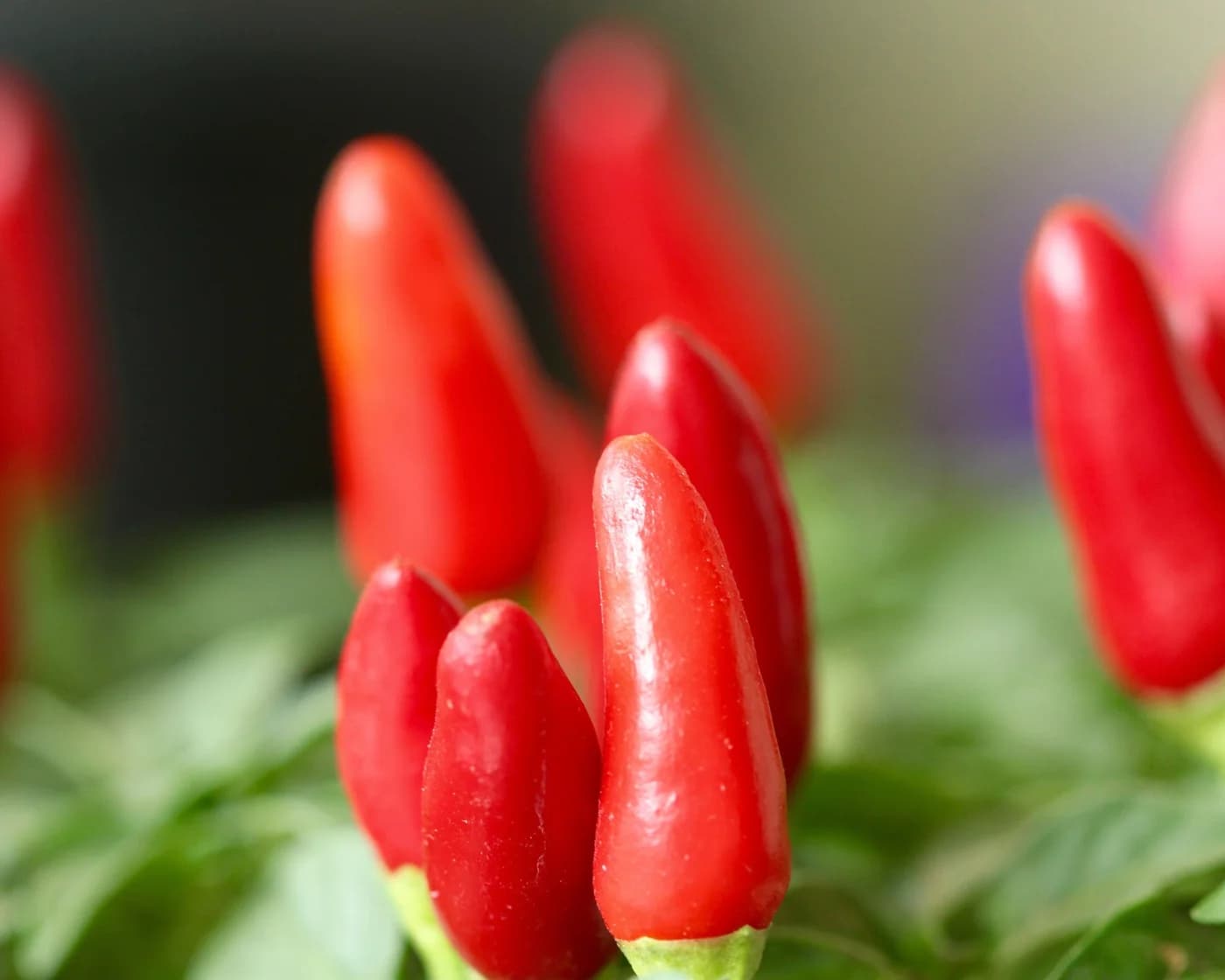
Cayenne pepper is a hot chilli pepper, commonly sold dried and ground. Capsaicin is one of the compounds responsible for its burning sensation. That sensation is a response to the spice, rather than a sign that body fat is being burned.
The heat can vary between products, so a spoonful from a new packet may feel stronger than the one you finished. Cayenne is usually hotter than mild paprika, while Indian red chilli powders differ widely in pungency. They cannot always be swapped spoon for spoon.
If a recipe uses cayenne and you have only a familiar chilli powder, begin with a small amount and adjust by taste. The dish matters more than matching the name on the spice jar.
Does a pinch provide much nutrition?
Chilli peppers contain vitamins and plant compounds, but the portion used as seasoning is small. A dusting of cayenne should not be counted on to meet your vitamin needs or provide meaningful protein or fibre.
This is a useful distinction when reading nutrition claims. A large quantity of a spice can look impressive in a food database, while the tiny amount in dinner contributes much less. Eating more to reach those nutrient figures would make little culinary sense.
Use cayenne for flavour, then get the substance of the meal from vegetables, pulses, grains and other foods. A bowl of rajma with rice does not need a large chilli dose to become nutritious.
What about metabolism and weight loss?
Researchers have studied capsaicin and related compounds for effects on appetite and energy use. Some small, short experiments have found differences in fullness or food intake. Those results do not establish that cayenne produces substantial, lasting fat loss.
There is also a gap between a controlled research preparation and the amount sprinkled over lunch. Capsules, concentrated extracts and cooking spices should not be treated as equivalent treatments.
If you enjoy spicy food, keep enjoying it. If you dislike it, there is no health reason to force it. A comfortable, filling eating pattern is more useful for weight management than making every meal hotter.
Where it works in Indian cooking
Think of cayenne as a small adjustment to a dish, rather than its main flavour. You can combine heat with acidity, aroma and texture:
- Add a little to tomato soup with roasted cumin.
- Use a pinch in a besan chilla batter with coriander and grated vegetables.
- Toss cooked chickpeas with lemon, cucumber and a light dusting of cayenne.
- Mix it into a curd-based dip with mint, if dairy suits you.
- Season roasted cauliflower or sweet potato before cooking.
For a family meal, keep the main dish mild and add extra heat to individual portions. Children and adults often have different preferences, and nobody needs to build a higher spice tolerance to eat well.
Start small and taste again
For an unfamiliar powder, a pinch in a dish serving several people is a sensible first step. Stir it through, let the food cook briefly and taste before adding more. This is cooking guidance, not a daily health dose.
Be especially careful with a small bowl of chutney or dressing: there is less food to spread the heat through. Adding several hot ingredients together, such as fresh chilli, chilli powder and hot sauce, also makes the final result harder to judge.
If you overdo it, increase the volume with more of the dish's main ingredients. Extra tomatoes, dal or vegetables may help distribute the heat. Curd can soften the eating experience where it fits, but it does not remove the capsaicin.
Cayenne water is optional
Warm water with lemon and cayenne is often promoted as a morning cleanse. There is no good reason to expect it to flush toxins or selectively reduce belly fat. It may simply be unpleasant, particularly on an empty stomach.
You can drink plain water and eat breakfast instead. If you like lemon in water, that is a flavour preference; cayenne is not required to activate it.
The same applies after a heavy meal. You do not need a hot drink to undo what you ate. Returning to your usual meals is a more practical response than alternating rich food with harsh “detox” routines.
When heat causes discomfort
Some people find spicy food aggravates heartburn, abdominal pain or bowel urgency. Tolerance differs, so use your own symptoms as a guide. Reducing or avoiding cayenne is reasonable if the same discomfort keeps following it.
Persistent symptoms should not be dismissed as a normal reaction to healthy food. Difficulty swallowing, blood in vomit or severe ongoing pain deserves medical assessment.
Avoid touching your eyes after handling chilli, and wash your hands and utensils. Do not sniff the powder closely while measuring it; airborne spice can irritate the nose and throat. Store the container away from young children.
Pain-relief products containing capsaicin are made for a specific purpose. Rubbing kitchen cayenne on painful joints or broken skin is not a substitute and can cause irritation.
Keep the spice fresh
Store cayenne in a tightly closed container in a cool cupboard away from steam and direct sunlight. Use a dry spoon, and avoid shaking the jar directly over a steaming pan, which can introduce moisture.
A small packet makes sense if you cook with it only occasionally. The goal is good flavour, not finishing a large jar quickly for supposed health benefits.
Cayenne earns its place when it improves the meal. A little heat in chickpeas, soup or vegetables can be enjoyable; a burning mouth and a promised shortcut to weight loss offer much less.
Editorial sources
Frequently Asked Questions
Related Articles
Black Pepper Benefits, Uses and Safety
What black pepper (kali mirch) really adds to food, how piperine affects turmeric, myths about metabolism and when to be careful.

Bell Pepper (Capsicum) Nutrition, Benefits and Easy Ways to Use It
Bell peppers are rich in vitamin C and easy to eat raw or cooked. How colours differ, how to store them and simple Indian ways to use capsicum.
Metabolism Boosting Foods: What Actually Works (and What Doesn’t)
Some foods do have a small, measurable effect on how many calories your body burns, but none of them ‘boost’ metabolism the way marketing suggests. See.