
Celery Benefits, Nutrition, Uses and Safety
Explore celery benefits, simple serving ideas and whole celery versus juice, plus allergy, storage and medicine precautions.
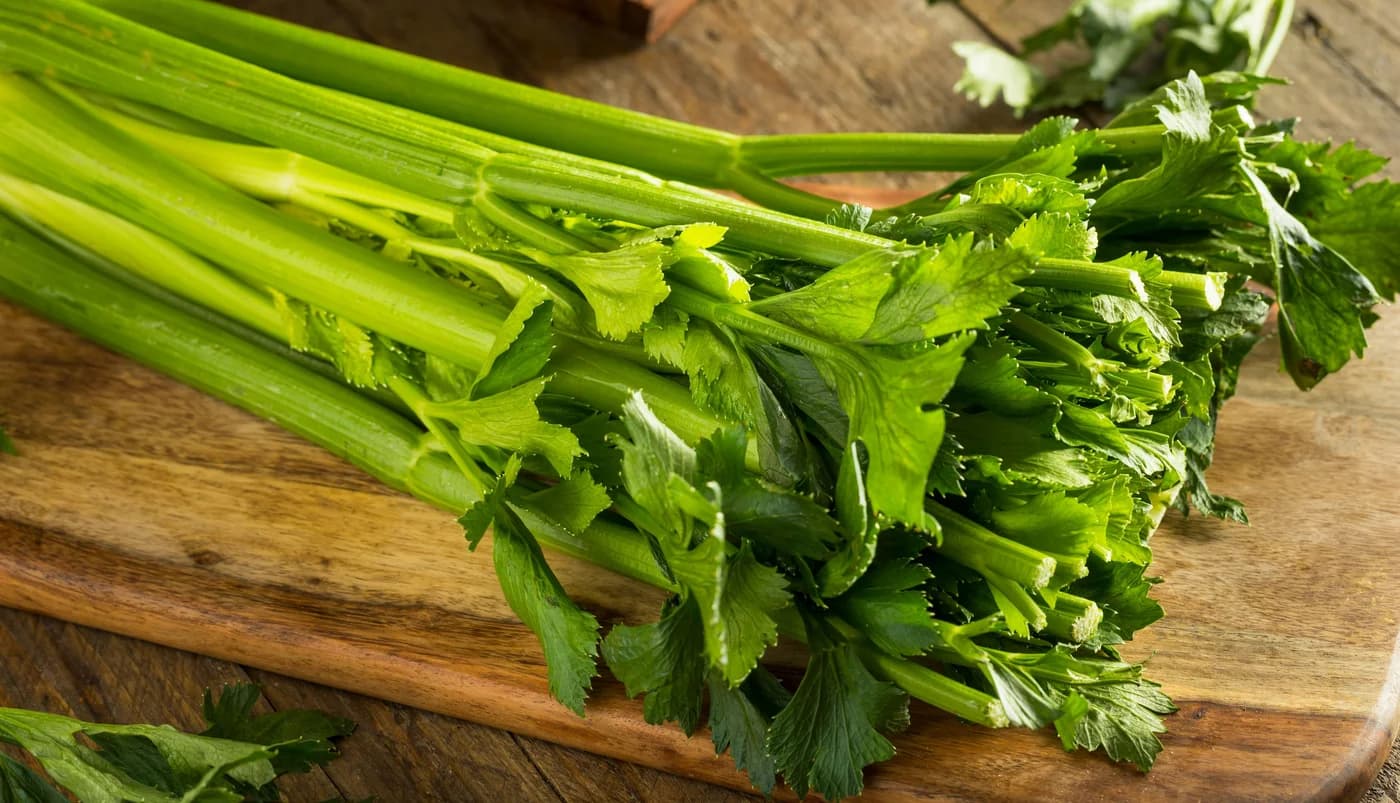
Key Takeaways
- Most celery is water, with modest amounts of fibre and micronutrients.
- Whole stalks retain more fibre than strained juice.
- It cannot burn fat, detox the liver or treat high blood pressure.
- Celery allergy can be serious; kidney disease and warfarin require individual guidance.
Celery is a crisp, water-rich vegetable used in salads, soups and stir-fries. It supplies some fibre and micronutrients, including vitamin K, folate and potassium. It can add variety to meals, but it is not a detox treatment or a negative-calorie food.
What are the benefits of celery?
Celery contributes water and a modest amount of fibre. Its crunch and mild flavour make it useful in mixed dishes, especially when you want to add another vegetable without changing the whole meal.
The stalks, leaves and seeds have different uses. Eat the stalks as a vegetable, use the leaves to flavour food and treat the seeds as a concentrated spice. Claims about seed extracts or tablets should not be applied to an ordinary serving of stalks.
Celery does not burn fat or detox the liver. Adding it to an otherwise unchanged routine is not a reliable way to lose weight or treat high blood pressure. The overall diet and any prescribed treatment matter more than a single ingredient.
Whole celery or celery juice?
Whole stalks retain more fibre than strained juice and require chewing. Juice provides fluid and some nutrients, but it removes much of the fibre when the pulp is discarded. There is no need to drink celery juice to include celery in your diet.
If you enjoy juice, choose a pasteurised product and follow its storage instructions. Do not use it to replace meals or prescribed medicine. Unpasteurised juice can carry harmful microorganisms.
Simple ways to eat celery
- Add chopped stalks and leaves to dal or vegetable soup.
- Stir-fry celery with tofu, capsicum and mushrooms.
- Mix diced stalks into a chickpea or rajma salad.
- Serve celery sticks with hummus, bean dip or plain curd.
One or two stalks, or a chopped handful in a mixed dish, is a practical starting portion rather than a required daily target. Adjust the amount to your appetite and tolerance, and rotate celery with other vegetables.
Buying, washing and storing celery
Choose stalks that look fresh and discard visibly spoiled parts. Wash celery under running water before preparing it. Keep it refrigerated and follow food-safety guidance for cut vegetables and leftovers.
Raw celery works well when you want crunch; cooked celery can be easier to incorporate into soups and mixed dishes. Neither preparation turns it into a remedy. Choose the version you enjoy and tolerate.
Side effects and who needs extra care
Large raw portions may cause gas or bloating. Try a smaller amount if this happens rather than assuming more will bring greater benefits.
Celery can cause a serious allergic reaction, including in some people with pollen allergies. Avoid it if you have a known celery allergy. Breathing difficulty, severe swelling or collapse needs emergency medical attention.
If you take warfarin, keep vitamin K intake consistent rather than suddenly increasing or cutting out foods that contain it. Ask your anticoagulation team before making a major dietary change. A kidney-specific diet may also require individual advice about portions, potassium or fluids; this does not mean everyone with kidney disease must avoid celery.
Is celery worth adding to your meals?
Use celery for its taste, crunch and contribution to vegetable variety. Whole stalks are a useful choice when you want to retain the fibre. You do not need a juice routine or unusually large portions to make it part of a balanced diet.
Sources
Frequently Asked Questions
Related Articles
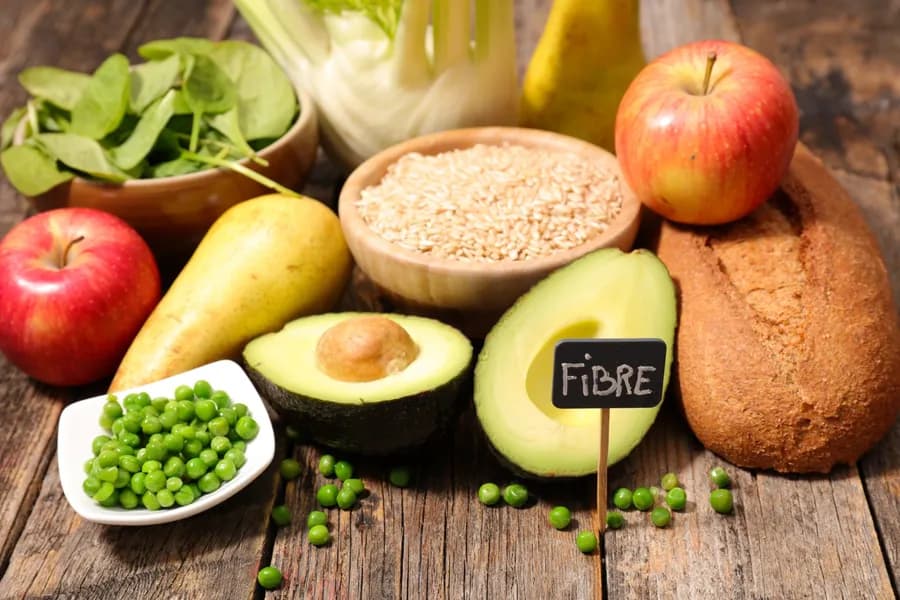
High-Fibre Foods: Simple Indian Meal Ideas
Find high-fibre Indian foods, easy meal ideas, gradual intake tips and practical advice for constipation and daily health.
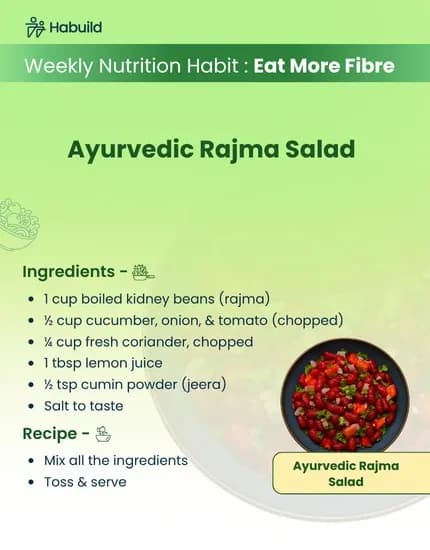
Rajma salad recipe: a filling high-fibre salad
A rajma salad turns a familiar Indian staple into a light, fibre-rich dish that fits easily into daily eating. Full recipe below.

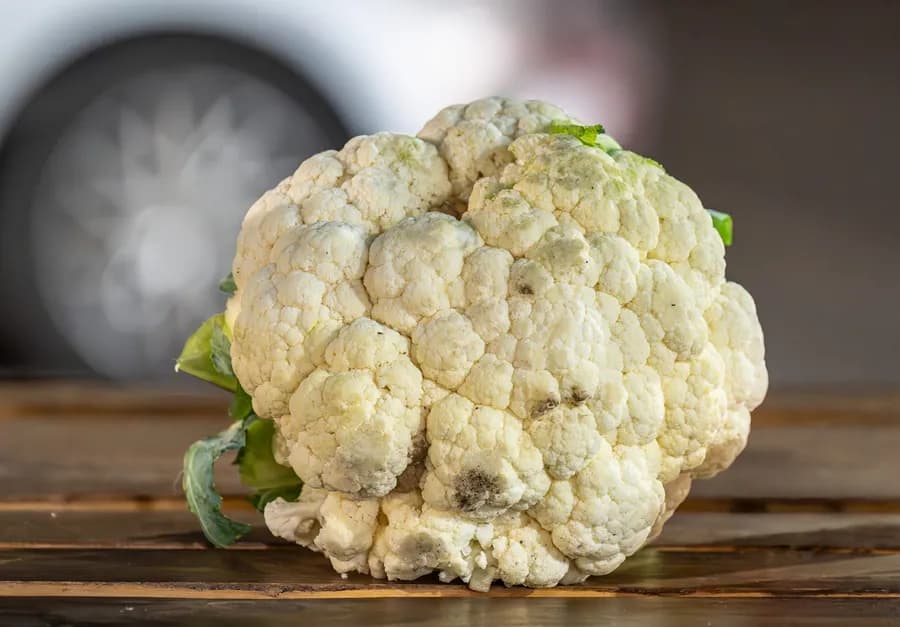
Low Potassium Diet Foods: What to Eat When You Need to Limit Potassium
A low potassium diet is for a specific medical need — usually advanced kidney disease — and should always be followed under medical supervision. See who.
