
Chickenpox: What to Eat When Appetite and Mouth Sores Make Meals Hard
Soft familiar meals and regular fluids can make chickenpox easier to manage. Learn what to offer and when care is needed.
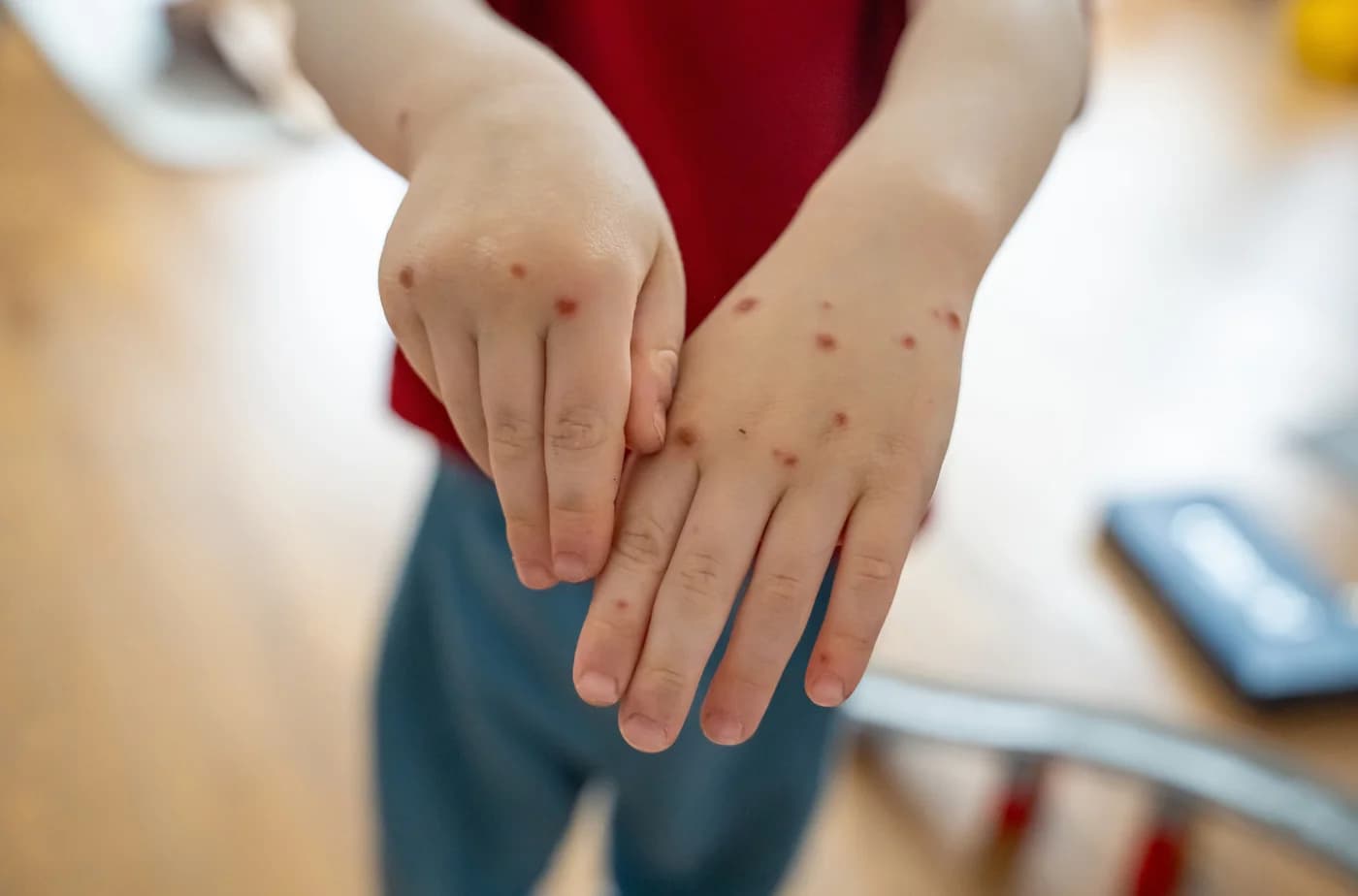
Key Takeaways
- Choose soft, familiar foods when mouth sores make eating hard.
- Fluids and enough nourishment are the main priorities.
- No special diet removes the virus or heals spots faster.
- Watch for dehydration, and seek early care if you are at higher risk.
When chickenpox leaves you feverish or your mouth sore, the best food is often something familiar, soft and easy to manage. There is no special diet that removes the virus or makes every spot heal faster. The practical priorities are fluids, enough nourishment and avoiding foods that sting. Adjust meals to comfort while keeping an eye on dehydration and people who need early medical treatment.
Begin with drinks you can tolerate
Offer fluids often rather than expecting someone to finish a large glass at once. Water is a simple choice. Milk, a suitable milk alternative or a mild soup can add nourishment when tolerated. Cool drinks or ice lollies may feel more comfortable when the mouth is sore, especially for children.
Very hot drinks can sting. Acidic drinks such as citrus juice may also hurt mouth lesions, even if they usually seem refreshing. Choose what feels comfortable rather than insisting that a vitamin-rich juice is necessary for recovery. There is no need to force excessive water.
Watch for fewer wet nappies in a child, much less urine, dry mouth or unusual sleepiness. These can indicate dehydration. If drinking is difficult or fluids will not stay down, seek care. Oral rehydration solution may be useful in some situations, but a clinician or pharmacist can advise when it is needed.
Soft meals can still be substantial
Appetite may be small for a few days. Offer smaller amounts more often, with a texture the person can swallow comfortably. Food does not have to be bland forever, but strong chilli, very salty foods and rough textures can be unpleasant while mouth sores are active.
Try soft moong dal khichdi, well-cooked oats, dal with soft rice or a mild vegetable mash. Curd, soft tofu or scrambled egg can add protein if normally eaten and tolerated. Cool food enough before serving. A thin rice water or clear broth may be soothing but supplies less nourishment than a fuller meal.
For a child, use an age-appropriate texture and supervise eating as usual. Do not use an adult's portion or preferred spice level as the standard. If the child can drink and is otherwise reasonably alert, a small temporary drop in food intake is often easier to manage than repeated battles over a full plate.
Build around the foods already accepted
A familiar breakfast may need only a texture change. Soften idli with mild sambar if it does not sting, or offer porridge with milk. Lunch could be khichdi with curd. Dinner might be a soft dal-rice mixture with cooked vegetables. Banana, ripe papaya or another soft non-acidic fruit can work as a snack.
You do not need to serve all these foods. Choose a few the person likes and rotate them according to appetite. Add a usual amount of oil or other tolerated ingredients so meals do not become unnecessarily watery and low in energy. The aim is adequate intake, not a restrictive cleansing menu.
If appetite remains poor or weight is falling, get advice on making meals more nourishing. People with other medical conditions may need an individual plan. A food list from the internet cannot account for swallowing difficulties, diabetes medicines or a child's growth needs.
What can you leave out temporarily?
Leave out foods that hurt: crisp chips, hard toast, sharp spices or sour pickles may be uncomfortable with mouth lesions. The reason is irritation, not that they feed the virus. They can return as the mouth heals and eating becomes easier.
There is no general need to ban milk, curd, pulses or eggs if they are normally tolerated. These foods can help provide protein and energy. Cultural preferences can guide a comfortable menu, but extra exclusions should not leave the person with only a few spoonfuls of liquid all day.
Likewise, avoid promising that coconut water, neem drinks or a particular fruit treats chickenpox. A preferred drink can contribute fluid; it does not replace care. Herbal mixtures may introduce unnecessary ingredients when someone is already unwell. Ordinary food is enough for most dietary support.
Food supports recovery; it does not replace treatment
Chickenpox is caused by varicella-zoster virus. Some people are at higher risk of complications, including pregnant people, newborns and those with weakened immunity. Adults can also become significantly unwell. Contact a healthcare service early in these situations, including after exposure where relevant, because preventive or antiviral treatment may be time sensitive.
Phone ahead before visiting a clinic so others are not exposed unnecessarily. Chickenpox spreads easily. Stay away from people at particular risk, and follow advice about school, work and isolation. Good meals cannot make someone noninfectious sooner by themselves.
For discomfort, use medicines appropriate for age and the care plan. Do not give aspirin to children, and avoid ibuprofen for chickenpox unless a doctor specifically advises it. These are useful treatment precautions rather than food rules, and they can matter more than choosing between two soft fruits.
When symptoms need prompt attention
Seek help for breathing difficulty, severe drowsiness, confusion, dehydration or symptoms that are worsening. Skin around spots becoming increasingly hot, red or painful may indicate a secondary infection. A fever or illness that seems to improve and then deteriorates also deserves attention.
Do not wait for a special diet to work if the person cannot drink, has eye symptoms or is very unwell. If you are unsure whether a rash is chickenpox, assessment can clarify it. Several illnesses can produce spots, and the care may differ.
Make the next meal easy
Prepare a small pot of soft khichdi or dal and keep a few tolerated drinks available. Serve small portions, cool enough for comfort, and offer more if wanted. Keep cooked food handled and stored safely rather than leaving it out through repeated servings.
As appetite returns, move back towards the person's normal varied meals. There is no need for a long recovery diet of only liquids or to avoid a nutritious food because it is called heating or cooling. Comfort, hydration and appropriate care are the useful guides while the illness runs its course.
Editorial sources
Frequently Asked Questions
Related Articles

Best Food for Fever: What to Eat, Drink and Avoid
Fever is a symptom, not a diagnosis. The most useful food advice centres on hydration, appetite, safe preparation and warning signs.

What to Eat After Food Poisoning: A Recovery Diet Guide
What you eat after food poisoning can decide whether recovery is smooth or slow. See how to rebuild gradually and safely, starting with the first 24 hours.

Immunity Boosting Foods: What Actually Supports Your Immune System
No single food boosts immunity beyond what your body can already do — what certain foods can supply is the vitamin C, zinc, protein, and gut support your.
How to Improve Immunity Naturally: 10 Science-Backed Ways That Work
There’s no single pill, superfood, or shortcut — immunity builds slowly through consistent sleep, movement, nutrition, and stress management working.
