
Citric Acid: Food Uses, Safety and Common Questions
This acid occurs naturally in citrus fruit and is also manufactured for use as an acidulant, preservative aid and flavouring.
Key Takeaways
- Citric acid occurs naturally in citrus fruit and is also made for use as a food acid and flavouring.
- Approved food use should not be confused with drinking concentrated acid.
- Citric acid is not vitamin C and does not detox the body, burn fat or alkalise the blood.
- Frequent acidic drinks can erode enamel; have them with meals and rinse with plain water.
This acid occurs naturally in citrus fruit and is also manufactured for use as an acidulant, preservative aid and flavouring. The manufactured form is chemically the same basic compound. Here is what citric acid does in food, what the safety concerns really are and how to read labels calmly.
Natural and manufactured citric acid
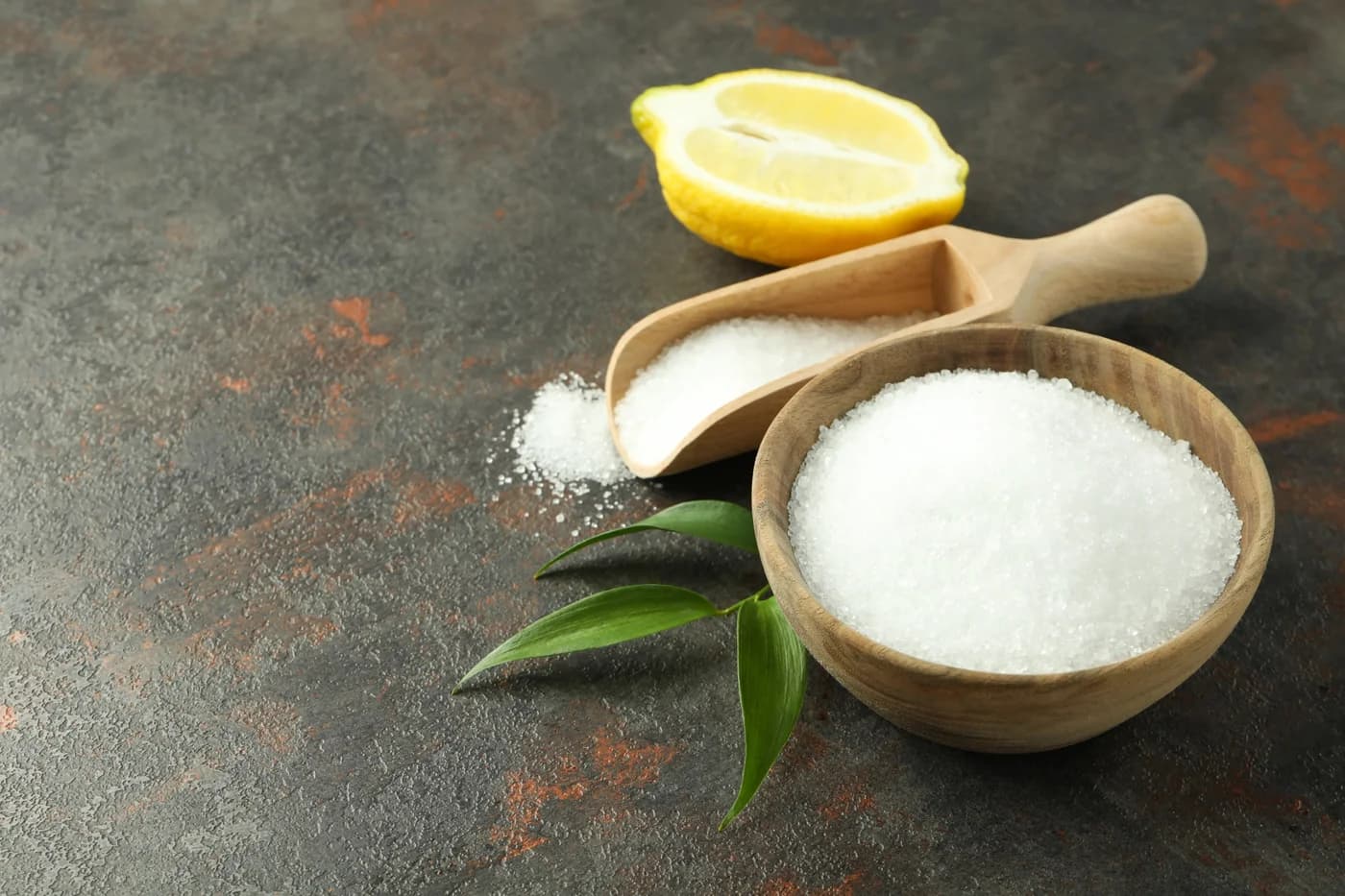
Citric acid occurs naturally in lemons, oranges and other fruits. Food manufacturers also produce it for use as an acidulant, flavouring and processing aid. The manufactured compound has the same basic chemical identity; its source does not automatically make it harmful. On an ingredient list, citric acid usually indicates a technological function rather than a meaningful source of vitamin C.
Most commercial supplies are made by fermenting sugars with a mould, then purifying the acid that forms, rather than by squeezing fruit. In many Indian kitchens, the crystals are sold as nimbu sat or tatri and used to sour drinks, chutneys and snacks when fresh lemon is not to hand.
How it is used in food
Citric acid adds tartness, helps control acidity and can support preservation when used with other controls. It appears in drinks, sweets, jams, canned foods, sauces and effervescent products. Approved use follows regulatory limits and manufacturing standards. On Indian labels it may appear by name or as INS 330.
What the evidence does and does not support
Approved food use should not be confused with drinking concentrated acid. In foods, the broader concerns may be acidity, added sugar and frequency of exposure to teeth.
Citrate is a normal part of the body's energy metabolism, so small amounts from food are handled routinely. Online claims that citric acid "detoxes" the body, burns fat or alkalises the blood are not supported. It is also not vitamin C, so a drink flavoured with it does not count towards vitamin C intake unless ascorbic acid is listed separately. Citrate is sometimes prescribed for people prone to certain kidney stones, but that is supervised treatment and not a reason to add powder to water at home.
Label reading and everyday exposure
- Read the ingredient list in drinks and packaged foods.
- Rinse with water after acidic drinks.
- Avoid brushing immediately after repeated acidic exposure.
- Never consume cleaning-grade citric acid as food.
For most people, the useful question is how often they have sour drinks, sweets and powdered drink mixes, not whether one label mentions citric acid. Many of these products are also high in sugar, which matters more for overall health. Fresh lemon in nimbu pani and citric acid in a packaged drink both add acid, so the same dental advice applies.
Teeth, reflux and sensitivity
Frequent acidic sipping can contribute to enamel erosion or aggravate reflux. Food allergy to citrus is a different issue from sensitivity to an added acid.
Acid exposure and teeth
Frequent contact with acidic drinks or sweets can contribute to enamel erosion, whether the acid comes naturally from fruit or is added as citric acid. Frequency matters: sipping throughout the day prolongs exposure. Have acidic drinks with meals, use plain water between them and avoid brushing immediately afterwards. Dental pain or visible erosion deserves advice from a dentist rather than a home neutralising remedy.
Citric acid is not citrus allergy
A person with citrus-fruit allergy is reacting to proteins in the fruit, not automatically to purified citric acid. Conversely, discomfort after an acidic drink does not prove an allergy; acidity can aggravate reflux or mouth irritation. Because reactions can have different causes, use the exact product label when seeking advice. Avoid self-testing after breathing difficulty, widespread hives or swelling.
People sometimes confuse an additive name with the acidity of the final food. The amount used, buffering ingredients and serving pattern all affect how a product feels in the mouth or stomach. Someone with reflux may tolerate one product and not another. Compare actual triggers rather than banning every label containing it. A dietitian or clinician can help if avoidance is becoming extensive or symptoms continue despite reasonable changes.
Handling concentrated powder
Concentrated powder can irritate eyes, skin and airways, so it should not be tasted neat or inhaled. Food-grade status does not make it safe to handle carelessly. Follow the manufacturer's instructions, prevent eye contact and keep household supplies sealed, clearly labelled and away from children. Never transfer powders into an unmarked food container, and keep cleaning-grade products separate from kitchen stock.
A straightforward conclusion
Citric acid in approved foods is not a detox ingredient and is not the same as vitamin C. Most people do not need to avoid it, but someone who repeatedly reacts to a particular product should record the exact ingredients and seek advice. Judge packaged foods by the full label - especially sugar, sodium and serving size - not by one additive alone.
Editorial sources
Frequently Asked Questions
Related Articles

Kcal Meaning: Calories, Labels and Daily Energy Needs
Food labels often use kcal, while everyday conversation uses calories. Learn about practical uses, portions and safety.


Vegetarian protein: needs, myths and meal planning
Vegetarian meals can provide enough protein. Learn practical needs, simple Indian food sources, common myths and an easy meal-planning method.

High-Fibre Foods: Simple Indian Meal Ideas
Find high-fibre Indian foods, easy meal ideas, gradual intake tips and practical advice for constipation and daily health.