
Citrus Fruits: Benefits, Types, Uses and Storage
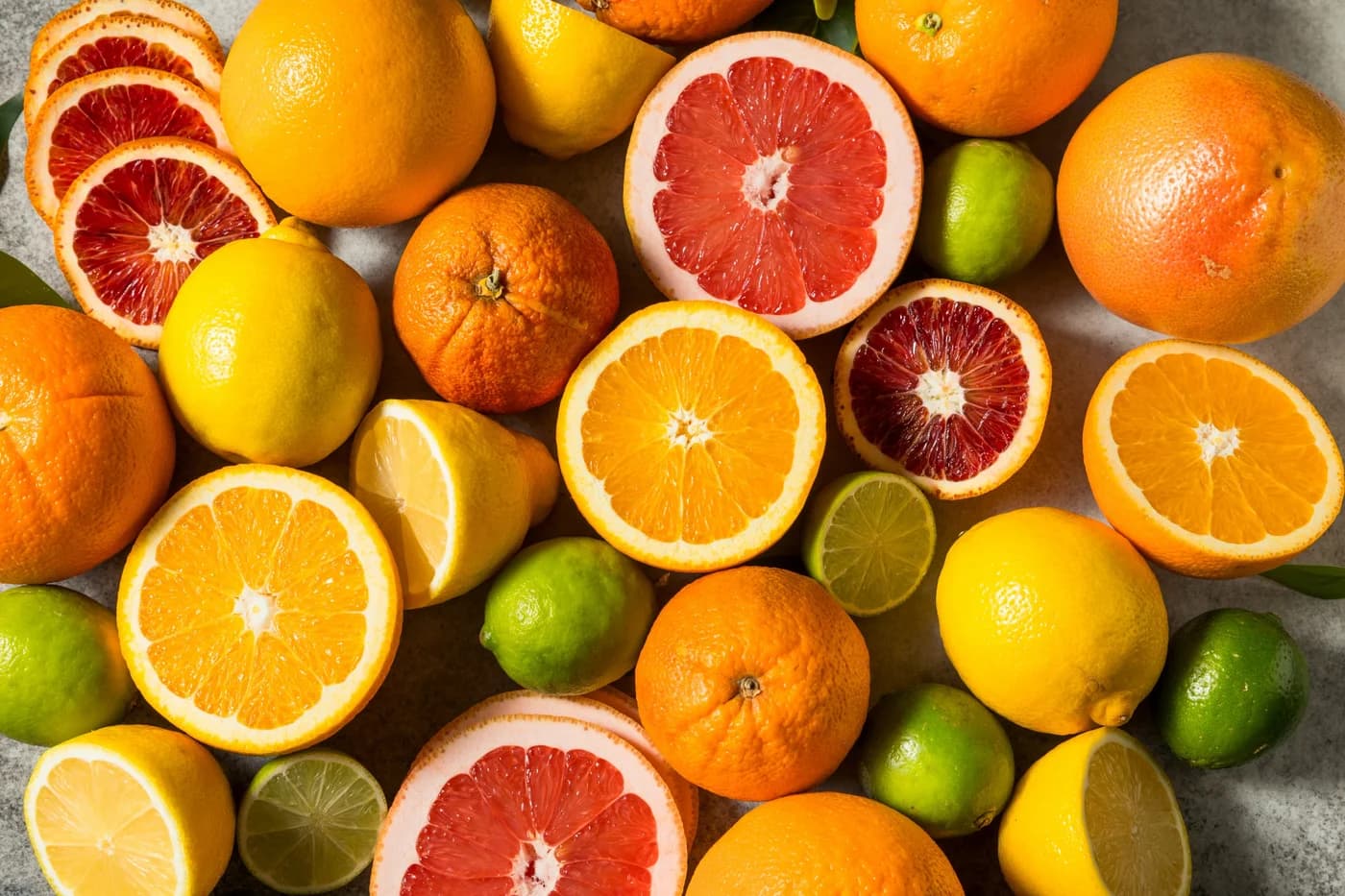
Oranges, mandarins, lemons, limes, grapefruit and pomelo belong to the citrus family. They vary in sweetness, acidity, size and how they are used.
Key Takeaways
- Whole citrus provides more fibre than strained juice.
- Vitamin C supports normal body functions but does not prevent every infection.
- Pairing citrus with pulses or leafy greens helps the body absorb non-haem iron.
- Grapefruit and pomelo may interact with certain medicines; check with a pharmacist.
Oranges, mandarins, lemons, limes, grapefruit and pomelo belong to the citrus family. They vary in sweetness, acidity, size and how they are used. Citrus fruits benefits come mainly from vitamin C, water, fibre and plant compounds, especially when the whole fruit is eaten instead of relying on juice or detox drinks.
Potential benefits
- Provide vitamin C for collagen formation, wound healing and iron absorption.
- Whole fruit supplies fibre that supports digestion and fullness.
- High water content can contribute to daily fluid intake.
- Acid and aroma can add flavour to meals without extra salt.
From sweet orange to sharp lime
Sweet oranges and mandarins are usually eaten in segments. Lemons and limes are used mainly for juice and zest, while grapefruit and pomelo have larger, sometimes bitter segments. Nutrition varies, so one fruit does not need to be declared the healthiest member of the family. In India, kinnow, mosambi, Nagpur oranges, lemons and pomelo are widely available in season.
Whole fruit, juice, zest and peel
Whole segments retain fibre and require chewing. Juice is easier to consume quickly and may provide several fruit portions at once, but it lacks most of the fibre and is less filling. Most citrus fruits benefits are best obtained from whole segments, with a small glass of juice alongside a meal as a more measured choice than large or frequent servings.
Zest adds fragrant oils to food, but scrub the fruit under running water first and use only the coloured outer layer to avoid excess bitterness.
Simple uses in Indian meals
Squeeze lemon over dal, sprouts, poha, salads or cooked greens. Add orange or pomelo segments to fruit chaat, curd or a grain salad. Use zest in marinades, baked foods or dressings. Sweetened squash, candy and marmalade should be judged separately from fresh fruit.
Vitamin C and iron absorption
Vitamin C helps the body absorb non-haem iron from pulses and vegetables. Pairing citrus with chana, rajma, lentils or leafy greens can be useful, but it does not treat established iron-deficiency anaemia on its own. Testing and appropriate treatment may still be necessary. Even so, this pairing is one of the most practical citrus fruits benefits in a vegetarian diet.
Buying, storing and preparing citrus
Choose fruit that feels heavy for its size and has no spreading mould or deep soft patches. Store according to room temperature and climate, refrigerating for longer keeping. Wash before cutting so dirt from the peel is not carried into the flesh by the knife. Cut fruit and fresh juice are best refrigerated and used soon, as vitamin C gradually declines once exposed to air and warmth.
Acidity, allergy and medicine interactions
Frequent sipping of acidic drinks can affect tooth enamel and may worsen reflux or mouth ulcers. Rinsing the mouth with water after an acidic drink can help. Citrus allergy is possible. Grapefruit and related fruits alter the handling of some medicines, so check with a pharmacist if the medicine guide warns against them.
Making the most of a mixed citrus basket
Use sweeter fruit for snacks and sharper fruit for cooking. A cut orange can brighten a lunchbox, lime can finish a bean salad, and leftover zest can flavour curd or baked oats. Freeze clean zest or measured juice when there is more fruit than the household can use, but label the container and avoid keeping leftovers indefinitely.
Citrus fruits benefits do not require expensive imported varieties. Seasonal kinnow, mosambi, lemon and local oranges can all contribute. Rotate them with guava, amla, papaya and other fruit rather than relying on citrus alone. A varied fruit pattern spreads nutrients, flavours and cost, while whole fruit remains more satisfying than a large glass of juice.
Editorial sources
Frequently Asked Questions
Related Articles

Vitamin C Foods: Simple Indian Sources and Meal Ideas
Discover vitamin C-rich Indian foods, easy meal ideas, simple cooking tips, deficiency signs and safe supplement guidance to follow.

Orange Benefits, Nutrition, Portions and Safety
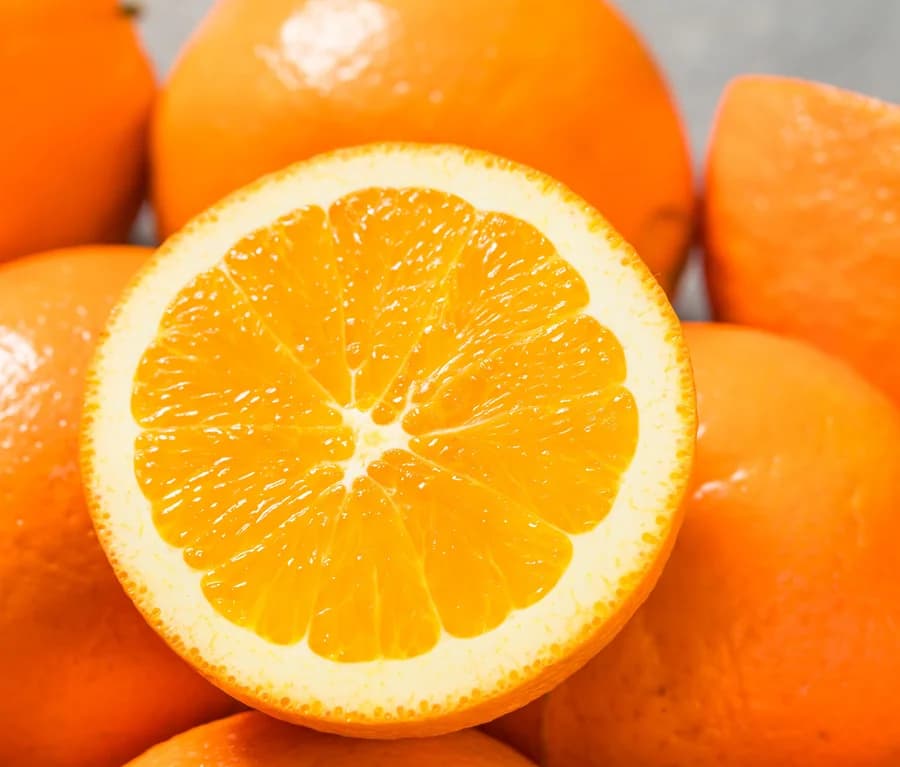
Oranges provide vitamin C, folate, water, carbohydrate and fibre. Whole oranges generally provide more fibre and fullness than juice.
Healthy Fruits: How to Choose Variety, Portions and Seasonal Options
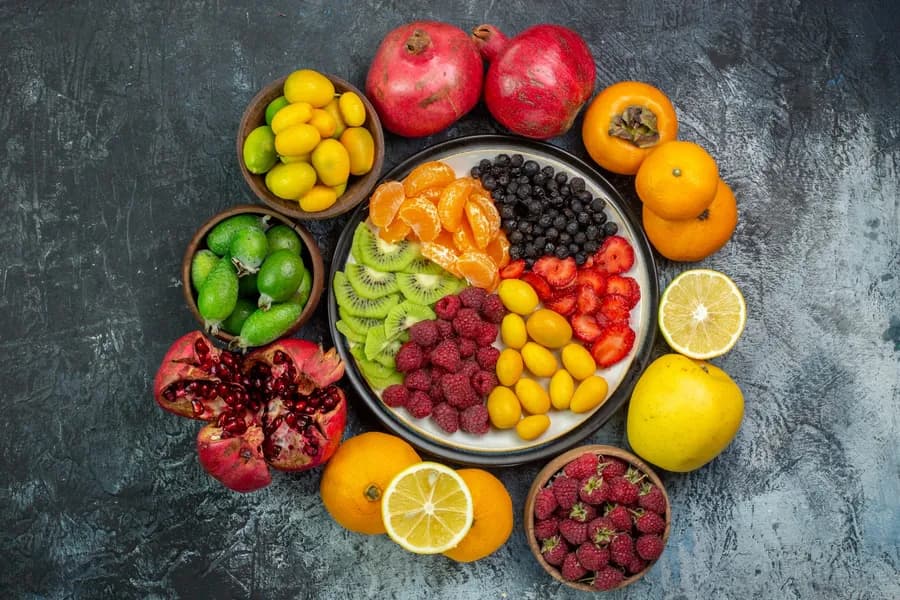
All whole fruits can contribute water, fibre, vitamins and plant compounds. The healthiest choice is usually a varied, affordable pattern.
