
Orange Benefits, Nutrition, Portions and Safety
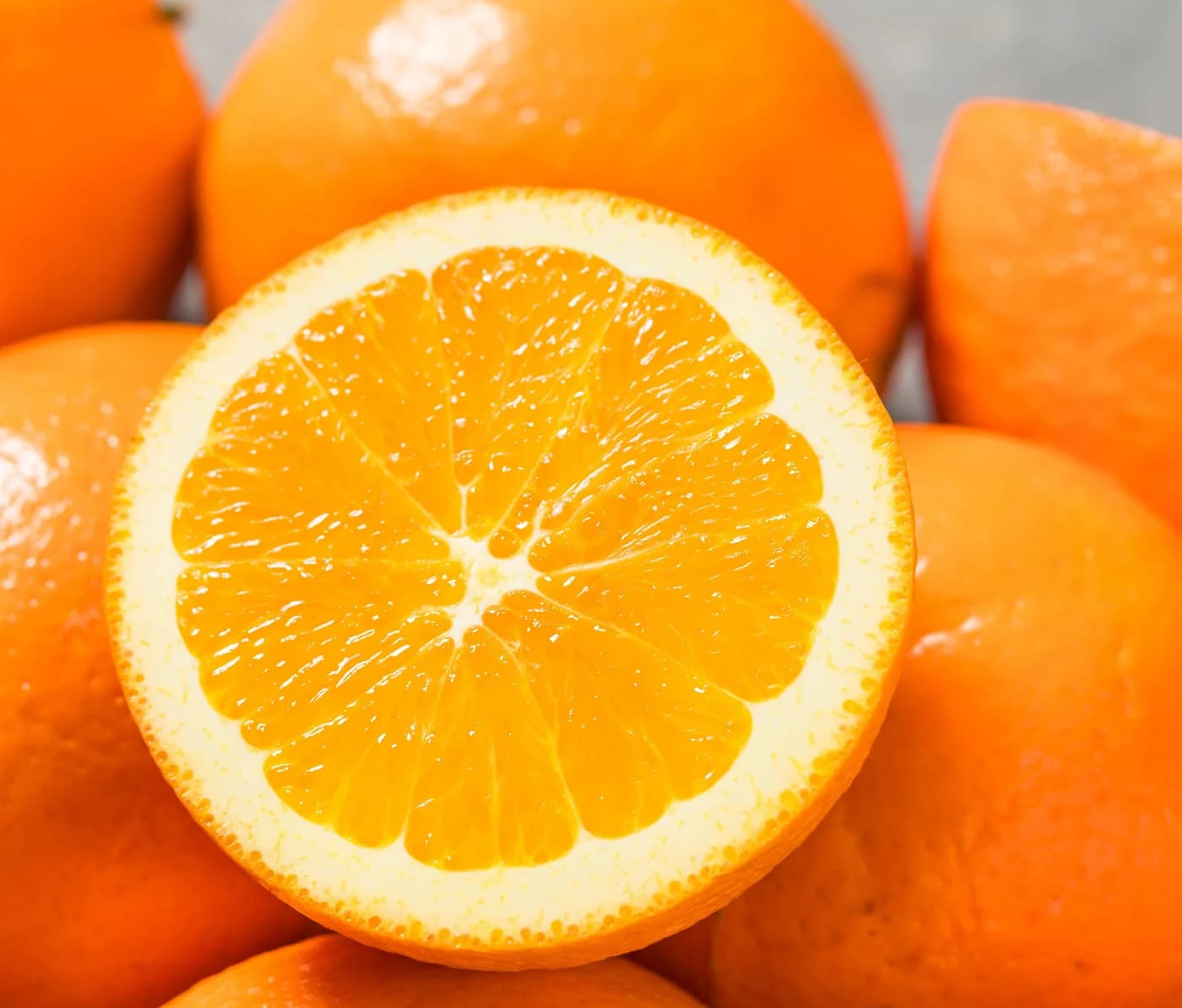
Oranges provide vitamin C, folate, water, carbohydrate and fibre. Whole oranges generally provide more fibre and fullness than juice.
Key Takeaways
- Oranges provide vitamin C, folate, water, carbohydrate and fibre.
- Vitamin C supports normal tissue function and improves absorption of non-haem iron.
- Whole oranges generally provide more fibre and fullness than juice.
- Oranges do not prevent colds, detox the body or cure anaemia.
Oranges provide vitamin C, folate, water, carbohydrate and fibre. Whole oranges generally provide more fibre and fullness than juice. This guide examines orange benefits with practical context and without exaggerated promises.
Oranges beyond the headline
Vitamin C supports normal tissue function and improves absorption of non-haem iron. Oranges do not prevent colds, detox the body or cure anaemia.
In India, the loose-skinned santra (such as the Nagpur orange) is the most familiar type and is in season through the winter months. It is easy to peel and divide, which makes it a convenient fruit for tiffins and school snacks. One medium orange can supply a large share of an adult's daily vitamin C needs, along with some fibre from the pith and membranes.
How to assess orange benefits claims
Much of what is said about oranges comes from what they contain rather than from studies of the fruit itself. Diets rich in fruit and vegetables are consistently linked with better health, but it is difficult to separate the effect of oranges from the overall pattern of eating more plant foods.
Research on vitamin C and colds suggests that regular intake does not prevent colds for most people, and any effect on how long a cold lasts is small. Claims that orange peel or orange juice "melts fat", cleanses the liver or treats skin conditions are not supported by good human evidence.
Using oranges in everyday meals
- Eat a whole orange with breakfast or as a snack.
- Add segments to fruit or bean salad.
- Use zest for flavour without extra sugar.
- Keep juice portions modest and avoid sweetened drinks.
Orange segments work well in a fruit chaat with a pinch of chaat masala, or in a kachumber-style salad with cucumber and onion. A squeeze of orange in a chana or rajma salad adds vitamin C alongside the iron in the pulses.
Buying, storing and serving oranges
Packaged orange drinks are often mostly water, sugar and flavouring, so read the ingredient list; a drink labelled "orange flavoured" may contain very little fruit. Fresh juice made at home or at a juice stall should be drunk soon after it is made and prepared with clean equipment. Mosambi (sweet lime) is a different citrus fruit, with a milder taste and generally less vitamin C than an orange.
Who should be careful with oranges
Citrus can worsen reflux or irritate mouth sores in some people. Juice can raise blood glucose faster than whole fruit and frequent acidic sipping may affect tooth enamel.
Oranges contain potassium, so people with advanced kidney disease who have been told to limit potassium should follow their dietitian's advice on portions, particularly for juice. Young children should be given peeled segments with seeds removed to reduce choking risk.
Why whole oranges usually make more sense
A whole orange provides vitamin C, water and fibre in a naturally portioned form. Juice contains vitamin C too, but it is easier to drink quickly and provides less fibre, so it may be less filling. Eating the fruit is usually the more practical everyday choice. Juice can still fit occasionally; choose an unsweetened version and keep the serving modest rather than treating a large glass as equal to one orange.
Useful ways to include oranges
Eat an orange with breakfast or as a snack, add segments to a bean or fruit salad, or use zest to brighten oats and savoury dishes. Pairing citrus with dal, beans or leafy greens may improve absorption of non-haem iron because vitamin C helps the body use it. This can support a balanced meal, but oranges cannot correct iron-deficiency anaemia without diagnosis and appropriate treatment.
When citrus causes problems
Acidic fruit may irritate mouth ulcers or worsen reflux in some people. Frequent sipping of orange juice can also increase acid exposure for teeth. People with diabetes can often eat whole oranges, but the portion and total meal still matter. Anyone with a citrus allergy should avoid the trigger; itching, swelling, wheezing or breathing difficulty needs prompt medical attention.
Selecting and storing oranges
Choose oranges that feel firm and heavy for their size; skin colour alone does not reliably show sweetness. Store them at room temperature for a short period or refrigerate them for longer keeping. Wash the peel before zesting or cutting, even though the peel is not normally eaten. Once cut, cover and refrigerate the fruit promptly. If a child struggles with the membrane, remove seeds and serve manageable pieces rather than offering juice automatically. Avoid keeping cut fruit unrefrigerated for long periods, especially in hot weather.
Oranges and common nutrition claims
Vitamin C supports normal immune function, but eating extra oranges cannot guarantee protection from infection or shorten every illness. The body absorbs vitamin C from many foods, and excess intake does not create unlimited benefit. Orange benefits are also sometimes linked to potassium, folate and plant compounds, yet the amount from one fruit should be viewed within the whole diet. Supplements deliver a different dose and may not be appropriate for everyone.
A realistic view of orange benefits
Orange benefits come from ordinary nutrition, not from detoxing the body or preventing every cold. One orange can be a convenient fruit portion, but it is not essential if you prefer guava, amla, papaya or another vitamin-C-rich food. Choose whole fruit most often, vary the fruits you eat and let taste, tolerance, season and price guide the decision.
Editorial sources
Frequently Asked Questions
Related Articles
Grapefruit: Nutrition, Benefits and Easy Ways to Use It
Grapefruit can add variety, flavour and useful nutrients to a vegetarian eating pattern. Its exact nutrition depends on the form, serving and preparation.


Vegetarian protein: needs, myths and meal planning
Vegetarian meals can provide enough protein. Learn practical needs, simple Indian food sources, common myths and an easy meal-planning method.

High-Fibre Foods: Simple Indian Meal Ideas
Find high-fibre Indian foods, easy meal ideas, gradual intake tips and practical advice for constipation and daily health.