
Coconut Sugar: Is It Worth the Swap?
Coconut sugar brings caramel flavour to food, but its health claims often go too far. Learn what an everyday serving offers and when the swap makes sense.
Key Takeaways
- Coconut sugar tastes different but is still sugar.
- Its nutrient content is small in normal portions.
- Glycaemic index claims vary and need caution.
- Using less sugar matters more than the type.
Coconut sugar has the sort of name that makes a sweetener sound wholesome. Its brown colour, caramel flavour and connection with the coconut palm can suggest a meaningful upgrade from white sugar. Yet the most useful distinction is much simpler: it tastes different, but it is still sugar.
You can enjoy it in a recipe that suits its flavour. You do not need it for better nutrition, and paying more for it does not buy freedom from portion sizes. Here is how to separate a useful kitchen ingredient from the health claims around it.
It comes from flower sap
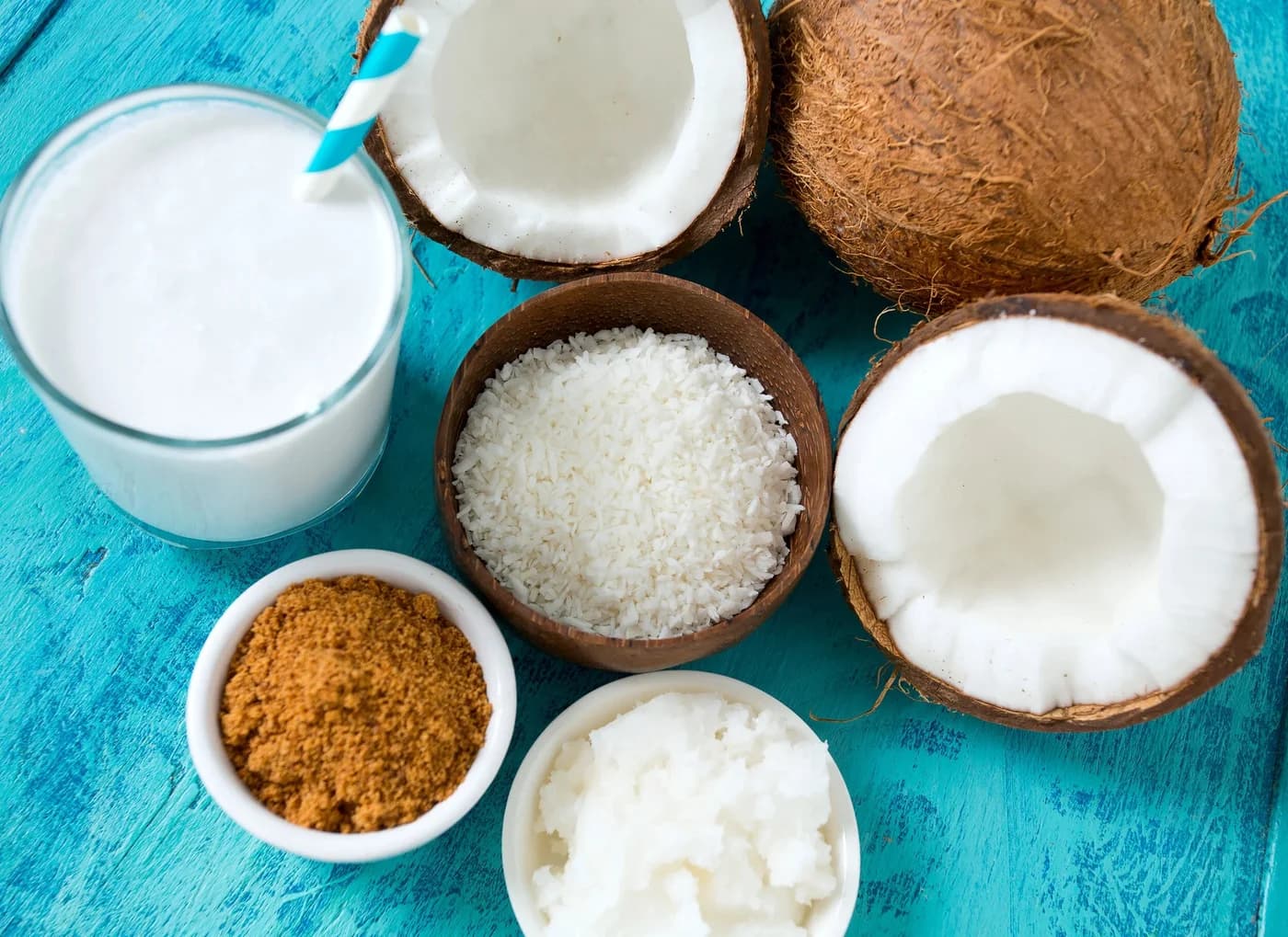
Coconut sugar is made from sap collected from the flower stalks of coconut palms. The sap is heated so water evaporates, leaving a concentrated sweet product that can be dried into granules.
It is not grated coconut, coconut flour or powdered coconut flesh. Those foods have different nutritional profiles and behave differently in cooking. Coconut sugar also should not be confused with coconut water, which is the liquid inside a young coconut.
You may see products described as coconut palm sugar. Other palm sugars can come from different palms, so the names are not always interchangeable. For everyday use, what matters most is that this is a concentrated sweetener made from sap.
What does it add nutritionally?
Coconut sugar is mainly sugars, including sucrose, with small amounts of other components. Like ordinary sugar, it supplies roughly four calories per gram. A serving weighing 4 g contributes around 16 calories; an actual spoonful can weigh more or less depending on its size and how it is filled.
The colour and degree of processing do not make those calories disappear. Swapping an equal weight of white sugar for coconut sugar will usually make little difference to the energy in a dish.
Trace minerals can be present, but a sensible serving is too small to rely on as a mineral source. To obtain useful nutrients, choose foods such as pulses, nuts, vegetables and dairy or suitable alternatives. Increasing sugar to obtain a little potassium or iron is an inefficient trade.
What about the glycaemic index?
Coconut sugar is often sold with a low glycaemic index claim. The glycaemic index, or GI, describes how a standard amount of carbohydrate in a tested food affects blood glucose compared with a reference food.
Numbers quoted for coconut sugar are not a guarantee that every brand or serving will behave the same way. Processing, composition and testing methods matter. Evidence is not strong enough to treat coconut sugar as a reliable solution for managing diabetes.
The amount eaten also matters. A product with a lower reported GI can still provide a substantial sugar load when the portion is large. Nor does a GI number tell you whether the whole food is nutritious or whether it is good for teeth.
If you have diabetes, count coconut sugar as sugar in your eating plan. Switching the type while keeping large sweetened drinks and desserts unchanged is unlikely to solve high blood glucose.
Does its inulin make it a gut-health food?
Some descriptions emphasise inulin, a fermentable fibre that can act as a prebiotic. Its presence in a plant-derived product does not establish a useful dose in a teaspoon of sweetener.
You would need reliable information about the actual amount in the product and evidence about that serving before making a health claim. A sweetener is not a practical substitute for the fibre in vegetables, beans, whole fruit and whole grains.
It is easy for a small nutritional detail to become the main selling point. Bring the decision back to the food you are preparing: do you like the flavour, how much are you using, and is the higher price worthwhile to you?
Where its flavour works well
Coconut sugar has a deeper, toasted flavour that can suit some recipes. It may also darken a dish or change the balance of delicate flavours. That can be welcome in one recipe and distracting in another.
Try a small amount in:
- An oat or whole-wheat biscuit where a caramel note suits the recipe.
- A homemade chutney that needs a little sweetness to balance sourness.
- A small dessert portion made for an occasion.
- Coffee, if you enjoy the flavour and already take it sweetened.
It is less useful when the recipe depends on a pale colour, a neutral sweetness or a precise sugar structure. Baking involves more than sweetness: sugar affects spread, moisture and texture. Use a recipe written for coconut sugar when the result needs to be predictable.
A smaller amount matters more than a different name
Suppose you sweeten several cups of tea each day. Replacing every spoon of white sugar with the same amount of coconut sugar keeps the routine much the same. Reducing the sweetness gradually changes the actual amount consumed.
You might begin with one drink: measure your usual amount, reduce it a little and give your taste a few days to adjust. Cardamom or cinnamon can add flavour if you enjoy them, but they do not neutralise sugar already added.
The same principle applies to breakfast. Plain curd with fruit needs a different amount of added sweetness from a bowl already containing sweetened cereal. Taste the food before adding more automatically.
Keep the wider picture in view
The World Health Organization advises limiting free sugars, which include sugars added during cooking and those in honey, syrups and fruit juice. Coconut sugar belongs in that conversation just as white sugar does. Sugar inside intact fruit is treated differently; a banana is not nutritionally equivalent to a spoon of sweetener.
Frequent sugary drinks and snacks also expose teeth to sugar repeatedly. The timing and frequency of eating matter alongside the total amount. Choosing a brown or plant-derived sugar does not remove the risk of tooth decay.
There is no need to make a small occasional dessert feel like a nutritional failure. Equally, it does not need a health label to justify enjoying it. Buy coconut sugar if its flavour earns a place in your kitchen. If it is expensive or hard to find, ordinary sugar used modestly can serve the same practical purpose.
Editorial sources
Frequently Asked Questions
Related Articles
Jaggery vs Sugar: Which Sweetener Is Actually Healthier?
Jaggery is often seen as the natural, guilt-free option, but nutritionally that’s only partly true — both are concentrated carbohydrates that affect.


Maple Syrup: A Flavourful Sweetener, Still Sugar
Enjoy maple syrup for its flavour while keeping portions and sugar claims realistic.
Apple Glycaemic Index: Is an Apple Okay for Blood Sugar?
Apples generally have a low glycaemic index, but the number is not a pass or fail mark. Here is how to use it if you watch your blood sugar.

Mango Glycemic Index: Portions and Blood Sugar Tips
What mango's glycaemic index means, why portion and ripeness matter more than one number, and how to fit mango into a diabetes meal plan.