
Cornstarch vs Corn Flour: The Difference in an Indian Kitchen
White cornflour and makki atta have different kitchen roles. Understand the naming differences and choose the right ingredient for the recipe.
Key Takeaways
- White cornstarch is mainly a thickener.
- Maize flour or makki atta has a different job.
- Use recipe clues to choose the right one.
- Neither is automatically healthier.
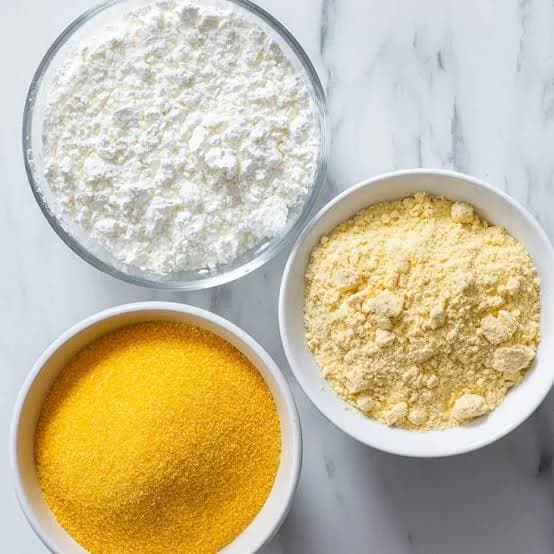
A recipe asks for corn flour, but the shop has a white powder labelled cornflour and a yellow bag of makki atta. Which one should you use? The confusion comes from naming differences between countries. In many Indian and British recipes, cornflour means the white starch used for thickening. In many American recipes, corn flour means finely ground maize, while the white thickener is called cornstarch.
The easiest way to choose is to consider what the ingredient is supposed to do in the dish.
White cornstarch is mainly a thickener
Cornstarch is a fine white powder made from the starchy part of the maize kernel. It has little flavour and thickens liquids when heated appropriately.
It is commonly used in sauces, soups, custards and some coatings or baking recipes. The small amount used in a gravy is serving a texture function rather than providing a substantial portion of protein or fibre.
In an Indian shop, this is often the product sold as cornflour. If a soup recipe asks you to mix cornflour with a little cold water, white starch is usually what it means. Yellow makki atta will produce a different texture.
Ground maize flour has a different job
Corn flour in the ground-grain sense is made by milling maize. Wholegrain versions retain more components of the grain than isolated starch. The colour and texture depend on the maize and how it was milled.
Makki atta belongs to this broader family of maize flours. It is familiar in makki ki roti and other dishes where maize itself supplies the body and flavour.
It is not simply yellow cornstarch. It behaves differently in doughs and batters and is not an automatic replacement for a white thickener. Even among maize flours, a coarse meal and a finely milled flour may not behave identically.
Use the recipe clues
A dish that needs a smooth, glossy sauce will generally call for starch. A roti, maize bread or grain-based batter is more likely to call for a flour or meal.
Check the recipe's country or terminology when the instruction is unclear. A photo, description or ingredient note can help more than the name alone.
For an unfamiliar packet, one useful check is enough: does it describe maize starch or ground maize flour? You do not need to analyse every technical detail. Establishing that distinction solves most of the kitchen confusion before the first spoonful goes into the pan.
How to use a starch slurry
For a sauce or soup, mix the measured starch with a little cold water until smooth. Stir that mixture into the hot dish gradually, then heat and stir until the texture develops.
Adding dry starch directly to hot liquid can create lumps because the outside thickens before the powder disperses. A smooth slurry helps distribute it evenly.
Start with the recipe amount rather than adding several spoonfuls because the liquid initially looks thin. Give it time to heat and thicken before deciding whether it needs more. The right amount depends on the dish, acidity, liquid and desired texture.
What if you used too much?
A sauce that becomes gluey may need more suitable liquid. Add a little at a time, warm gently and taste again because dilution also changes the seasoning.
If lumps appear, whisking or straining may help, depending on the dish. You may not recover the exact intended texture, but you can often improve it without starting again.
For next time, note the amount used for your usual pan. A familiar recipe is easier to repeat when the starch is measured rather than poured from the box. Kitchen consistency is the useful goal, not achieving laboratory precision.
Can you swap them in baking?
Not reliably in equal amounts. Starch, whole maize flour and wheat flour play different roles. A biscuit or cake recipe may use a small amount of cornstarch to change tenderness, while another recipe depends on ground maize for substance.
Neither maize flour nor cornstarch forms the same gluten structure as wheat flour. Replacing all the wheat flour without adjusting the recipe can change whether a dough holds together or rises as expected.
Use a recipe designed for the flour you have when possible. A tested gluten-free recipe is more dependable than substituting several ingredients at once and hoping the same proportions will work.
Which is healthier?
That depends on the comparison and the amount. Wholegrain maize flour can provide more fibre and other grain components than isolated starch. But a teaspoon of starch spread across several soup servings is not equivalent to a whole meal made from flour.
A thickened vegetable-and-bean soup can still be a useful meal. A deep-fried coating does not become a health food because maize flour replaces starch in it.
Consider the complete dish. Protein foods, vegetables, cooking fat and portion influence what it provides. There is no need to fear a small culinary amount of starch or award every maize-based food a health claim.
Diabetes and gluten need separate answers
Both starch and maize flour contribute carbohydrate. With diabetes, the serving and the rest of the meal matter more than assuming one is a free food.
Corn itself is naturally gluten-free, but processing or mixing can introduce gluten-containing ingredients. Someone with coeliac disease needs a suitable gluten-free product, not merely a familiar ingredient name.
Corn allergy is a different issue again. A gluten-free claim does not mean a product is safe for someone allergic to corn. Keep the restriction tied to the actual condition rather than treating all special-diet labels as interchangeable.
Store and cook it sensibly
Keep dry flour and starch tightly closed, away from moisture and pests. Wholegrain flour can lose freshness sooner because it retains more of the grain, so buy amounts you will use.
Do not eat raw batter or dough made with flour. Heat the dish appropriately and handle leftovers safely, especially custards or sauces containing milk and other perishable ingredients.
Once the naming issue is clear, the choice becomes straightforward: use white starch for the texture job it is designed to do, and ground maize flour for recipes built around the grain. Neither needs to replace the other throughout your kitchen.
Editorial sources
Frequently Asked Questions
Related Articles
Sweet Corn Benefits: Nutrition, Fibre, Portions and Easy Meal Ideas
Sweet corn provides carbohydrate, fibre, folate and carotenoids, and can be eaten fresh, frozen or canned. See easy everyday meal ideas.

Gluten Free Foods: A Practical Guide for Celiac Disease and Sensitivity
Indian kitchens already have a long list of naturally gluten-free options — rice, millets, pulses, and more — that can form a complete diet without.
Xanthan Gum: What It Does in Food and When It Matters
Understand a common food thickener without turning an ingredient name into a health verdict.

Popcorn Calories: Air-Popped, Cinema and Packaged Compared
Plain air-popped popcorn is a light whole-grain snack. Oil, butter, caramel and tub size are what push the calorie count up.
