Curry Leaves Benefits: Nutrition, Uses and Safety
What curry leaves (kadi patta) realistically offer, what the research does not prove, and how to cook, store and use them safely.
Key Takeaways
- Curry leaves add aroma to tempering, chutneys and dal, which can make simple meals appealing.
- A few leaves do not treat diabetes, anaemia, grey hair or high cholesterol.
- Fresh leaves, dried powder and concentrated extracts are not equivalent.
- Enjoy culinary amounts and seek advice before using concentrated extracts with medicines.
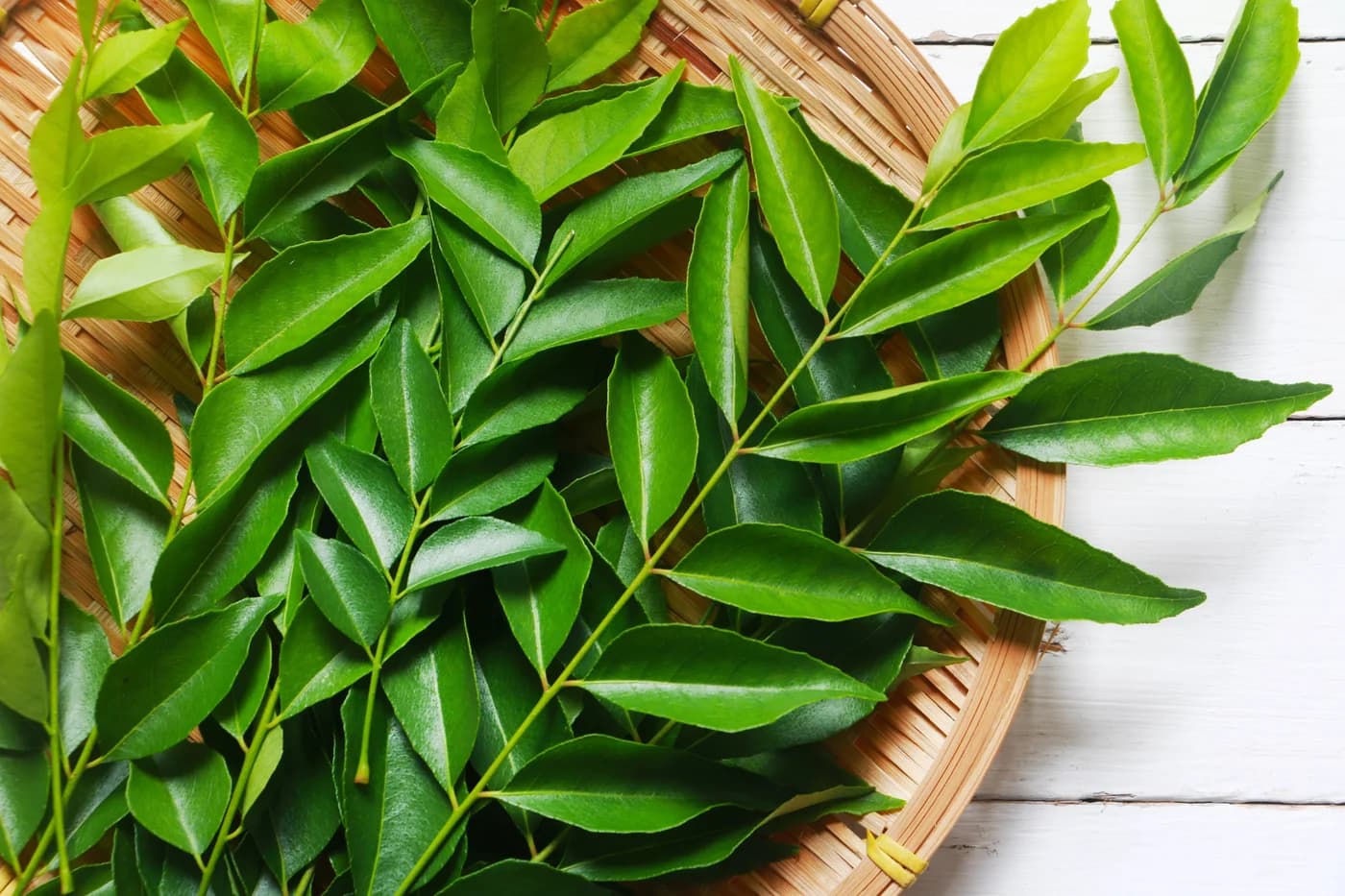
Curry leaves (kadi patta) are an aromatic herb used in tempering, chutneys and spice mixtures across India. Culinary portions add flavour along with small amounts of micronutrients and plant compounds. This guide looks at what curry leaves can and cannot do, and how to cook, store and use them safely.
Why curry leaves belong in the kitchen
The main benefit of curry leaves is practical: fragrance and flavour that make simple dal, vegetables and poha more appealing without relying only on salt or sugar. Aromatic herbs can make home-cooked meals more enjoyable, which may support a healthier eating pattern indirectly. The benefit comes from the complete meal and repeated choices, not from a special cleansing effect.
Nutrition claims need the serving size
Curry leaves contain fibre, minerals such as calcium and iron, vitamins and aromatic plant compounds. A usual serving, though, is a sprig or two. Nutrient tables based on 100 grams create a misleading impression because few people eat that amount. A handful used across a family meal is also very different from a capsule or a spoonful of concentrated powder.
What the research does and does not show
Laboratory and animal studies on curry-leaf extracts and isolated compounds have explored effects on blood glucose, cholesterol and inflammation. Such studies guide research, but they do not prove that a tempering lowers blood glucose, reverses grey hair or corrects iron deficiency. Reliable human trials using the same preparation and a meaningful outcome are limited.
This matters for everyday decisions:
- Diabetes: People with diabetes can keep enjoying curry leaves in meals, but should continue their monitoring and medicine plan.
- Anaemia: Anaemia needs a blood test and its cause must be identified. Curry leaves can accompany iron-rich dal or vegetables but cannot provide a treatment dose.
- Grey hair: Greying relates to age, genetics, smoking, nutrient deficiencies and other factors. Curry-leaf oil has not been proven to restore pigment.
- Cholesterol: The amount in a tempering is too small to promise a measurable change.
Fresh leaves, dried leaves and extracts
Ways to bring out their aroma
- Add fresh leaves to hot oil briefly with mustard seeds, cumin or urad dal, then pour over dal, poha, chutney or vegetables.
- Avoid burning the leaves, which creates bitterness.
- Chop leaves finely for children, or remove tough pieces.
- Removing leaves from a finished dish is fine; their flavour has already moved into the food.
Dried leaves are convenient but milder. Powders and capsules can deliver a much larger and less visible amount, so the need for evidence and safety review grows as the product moves further from food. When buying dried powder, check that curry leaf is clearly named and the packet is sealed, dated and free from moisture.
Buying, growing and storing
Choose green, aromatic leaves without slime or widespread dark patches. Keep them dry and refrigerated, or freeze washed and thoroughly dried leaves for later. If you grow a curry-leaf plant, harvest clean leaves away from pesticide spray, road dust and animal contamination, then rinse under running water and dry before tempering. Discard mouldy leaves or a wet bunch with an unpleasant smell.
Possible drawbacks and warning signs
Food amounts are usually well tolerated, although allergy is possible. Concentrated extracts may behave differently and could interact with glucose-lowering medicines or other treatment. Pregnancy and breastfeeding are reasons to avoid self-prescribed medicinal doses. Stop and seek urgent care for a serious allergic reaction such as swelling or breathing difficulty.
If a curry-leaf chutney contains a lot of salt, coconut or oil, count those ingredients in the nutritional picture. Traditional recipes fit well; their health value should simply be described honestly.
What curry leaves cannot replace
Curry leaves cannot replace iron-rich foods, diabetes medicines, cholesterol care or an assessment of hair changes, and they should not be used to postpone blood tests or clinical advice. No essential nutrient depends on them. If fresh leaves are unavailable, use other herbs and spices rather than buying an unverified supplement, and rotate curry leaves with coriander, mint and other herbs.
Editorial sources
Frequently Asked Questions
Related Articles
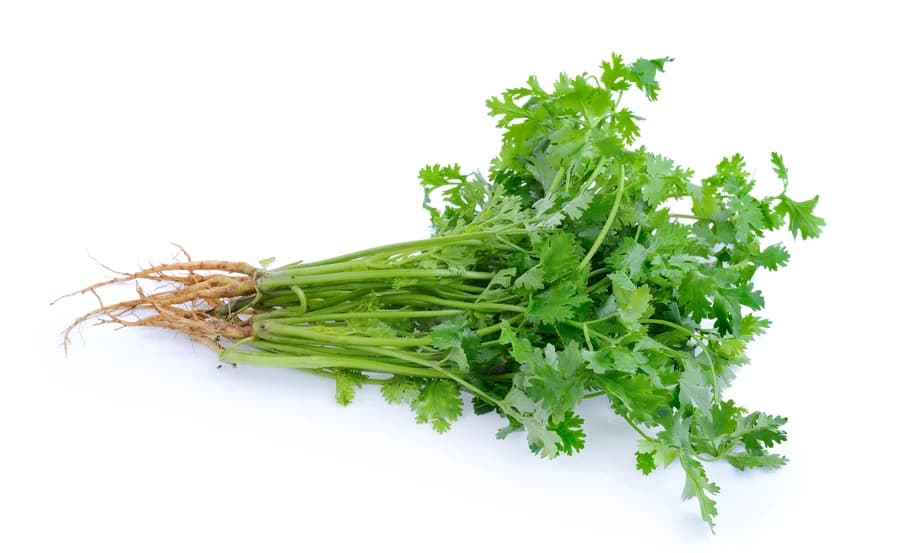
Cilantro: Nutrition, Uses and Food-Safety Tips
What cilantro adds to a meal, how to buy, wash and store it safely, using the stems, warfarin advice and the truth about detox claims.

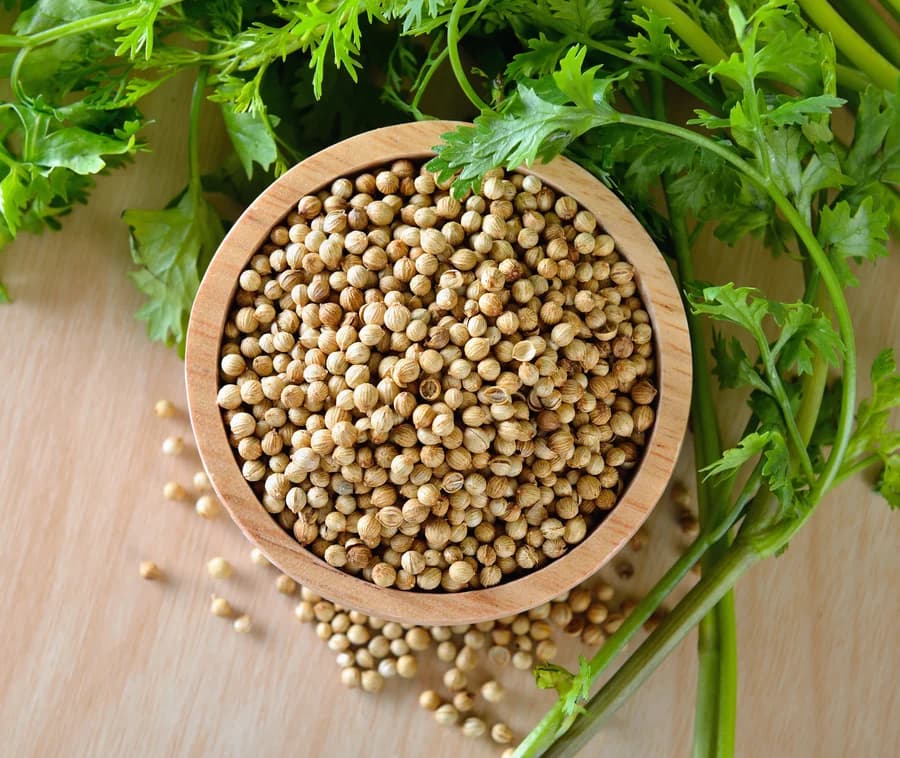
Coriander Seeds: Nutrition, Uses and Evidence Behind the Claims
Coriander (dhania) seeds explained: flavour and nutrition per teaspoon, evidence on digestion and blood sugar, storage and safety of extracts.


How to Stop Hair Fall — Causes, Exercises, and the Honest Daily Routine That Actually Works
Hair fall has multiple drivers — stress, nutritional deficiency, hormonal imbalance, poor scalp circulation, and genetics — and the right approach addresses these root causes systematically. See the exercises and daily routine.