
Dal chawal with ghee: a balanced Indian lunch
Dal chawal becomes a more complete meal with a small spoon of ghee added after cooking, plus a side of sabzi and salad. See how to balance the plate.
Key Takeaways
- Rice provides carbohydrate energy, while dal adds protein, fibre, and minerals.
- ‘Raw ghee’ here means ghee added after cooking, not an unprocessed dairy product.
- Half a teaspoon of ghee drizzled on hot dal melts and spreads flavour efficiently.
- Cereals and pulses supply different amino acids, improving protein quality across the meal.
- The ratio of rice to dal, sabzi, and salad decides if the plate is balanced or carb-heavy.
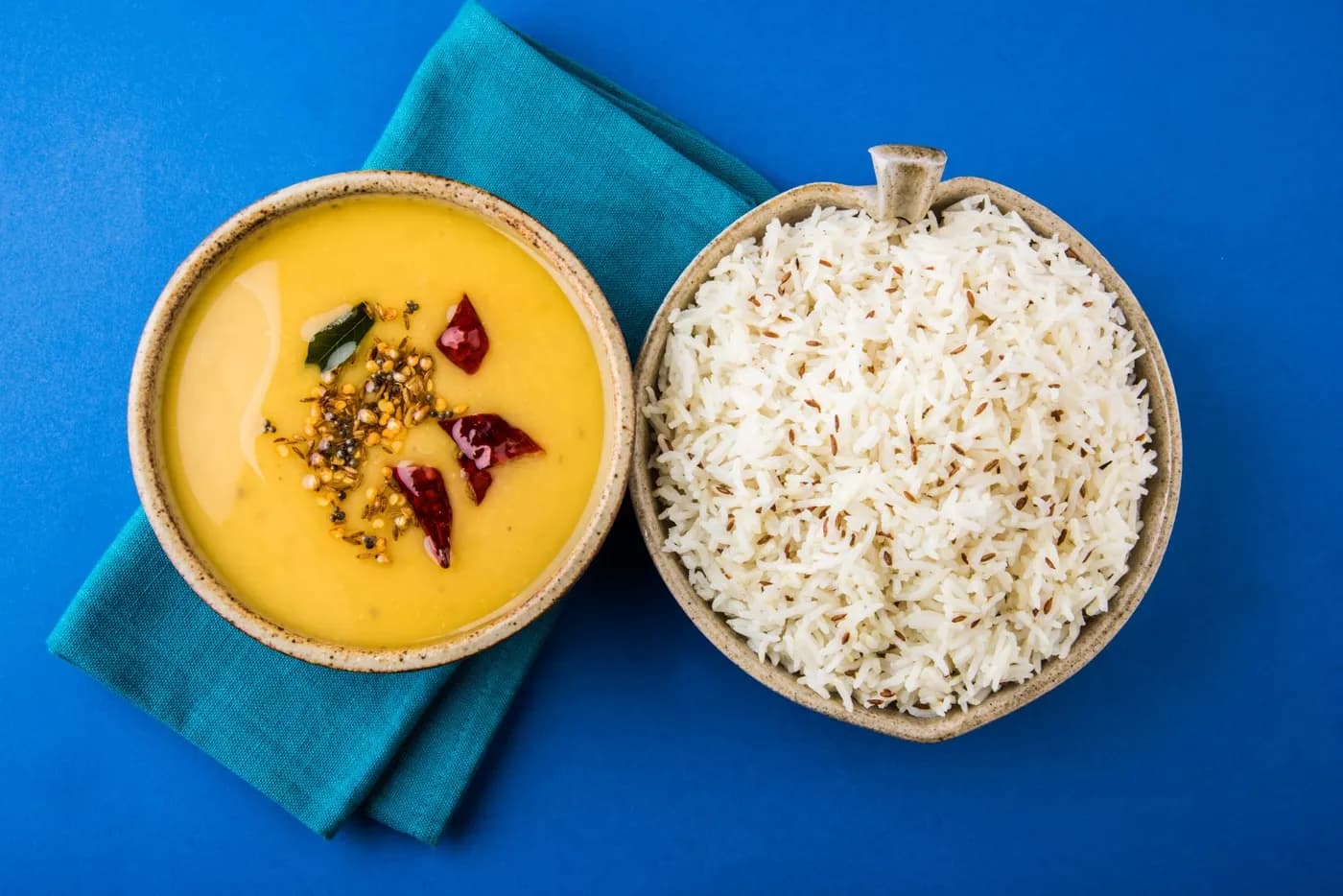
Dal chawal is one of the simplest Indian lunches, and that is exactly why it works. Rice gives carbohydrate for energy, while dal adds vegetarian protein, fibre and minerals. A small spoon of ghee can add flavour and help the meal feel satisfying. The plate becomes more complete when it also includes sabzi and salad.
The phrase “raw ghee” in the image means ghee added after the cooking is finished, not an unprocessed dairy product. Drizzle about half a teaspoon over hot dal or rice just before eating. The heat melts it and spreads the flavour, so a little can go a long way.
No single part of the plate needs to do everything. The Indian My Plate guide encourages a mix of cereals, pulses, vegetables and other food groups. Dal chawal can fit that pattern when the portions are balanced.
Why dal and rice make a useful pair
Rice is mainly a source of carbohydrate. Dal gives protein and fibre, so the combination is more balanced than a plate of plain rice. Different dals can be used: moong is mild, masoor cooks quickly, and toor gives the familiar flavour many households prefer.
Cereals and pulses also provide different amino acids. Eating them across the same meal or day helps improve the overall quality of vegetarian protein. You do not need to calculate amino acids at the table; regular combinations such as dal-rice, roti-dal, idli-sambar and khichdi already use this idea.
The plate matters more than the label
Dal chawal can be a balanced lunch or a very carb-heavy lunch. The difference is the ratio. A large mound of rice with two spoons of watery dal will not feel the same as a moderate rice portion with a proper bowl of dal, sabzi and salad.
What a small amount of ghee adds
Ghee is a cooking fat, so it adds energy quickly. It also carries flavour and helps fat-soluble compounds from food mix into the meal. The useful point is moderation. Half a teaspoon on hot dal can give aroma without turning the dish greasy.
Ghee is high in saturated fat, which means it should not be treated as unlimited simply because it is traditional. Indian dietary guidance recommends keeping visible fat within sensible limits and using variety in cooking fats. People with high cholesterol, heart disease or a medically advised fat restriction should follow their clinician’s plan.
Ghee is optional
The meal is still nourishing without ghee. Use it for taste when it suits your diet. If the dal already has a generous tadka or the sabzi is oily, you may not need extra fat on top.
Ingredients for a simple lunch plate
For the dal and rice
- Any dal: moong, toor or masoor
- Steamed rice
- Half a teaspoon of ghee per person
- Salt, turmeric and your usual dal spices
For plate balance
- One cooked seasonal sabzi
- One small bowl of salad or kachumber
- Lemon, coriander or chutney for freshness
Choose the rice and dal you already eat at home. Brown rice is not compulsory. White rice can fit a balanced plate when the serving is sensible and the meal has dal and vegetables.
How to serve dal chawal with ghee
- Wash and cook the chosen dal until soft. Season it with turmeric, salt and a light tadka if desired.
- Cook the rice until the grains are tender. Keep the rice portion moderate rather than filling the full plate.
- Prepare one sabzi and a quick salad with cucumber, tomato, carrot or onion.
- Place rice on the plate and pour a proper serving of dal beside or over it.
- Add about half a teaspoon of ghee over the steaming dal or rice. Let the heat melt it naturally.
- Fill the remaining space with sabzi and salad. Add lemon if you enjoy it.
- Eat slowly and stop when comfortably full. Save extra food rather than forcing a second serving.
A thicker dal usually provides more pulses per bowl than very watery dal. If the meal feels too heavy, reduce the rice slightly rather than removing the dal and vegetables.
Easy adjustments for different needs
For a lighter lunch
Use a smaller rice serving, moong dal and a larger portion of cooked vegetables. Keep the ghee to a few drops or leave it out.
For more protein
Make the dal thicker, mix two dals or add a side of curd. Another easy option is dal with a small portion of kala chana or sprouts salad.
For more fibre
Add vegetables to the dal, use hand-pounded or brown rice sometimes, and include salad. Increase fibre slowly if your digestion is sensitive.
A healthy diet is based on balance, moderation and variety, not on making one meal perfect. The WHO healthy diet guidance uses the same broad principles. Dal chawal is useful because it is affordable, familiar and easy to adjust.
Dal chawal is also easy to prepare ahead. Cook extra dal for the next day, cool it promptly and refrigerate it in a covered container. Reheat only the amount you need and add a little hot water if it has thickened. Fresh salad can be cut at mealtime. This small amount of planning makes a home lunch faster than ordering food and helps you keep the plate proportions clear.
Frequently Asked Questions
Related Articles
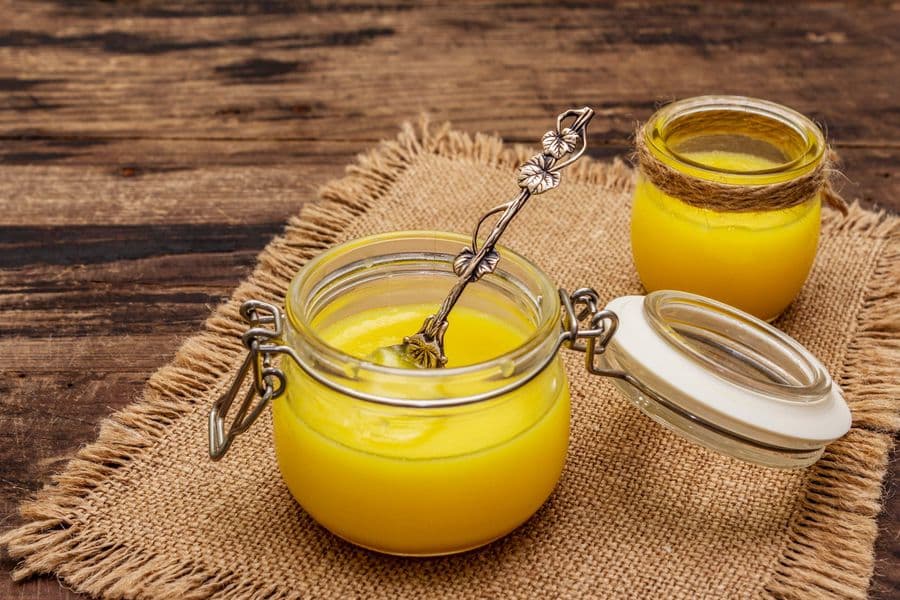
Is Ghee Good for Health? Healthy Fats Habit
Is ghee good for health? Learn how to use ghee in moderation, why portion size matters and how one small spoon can fit into Indian meals.
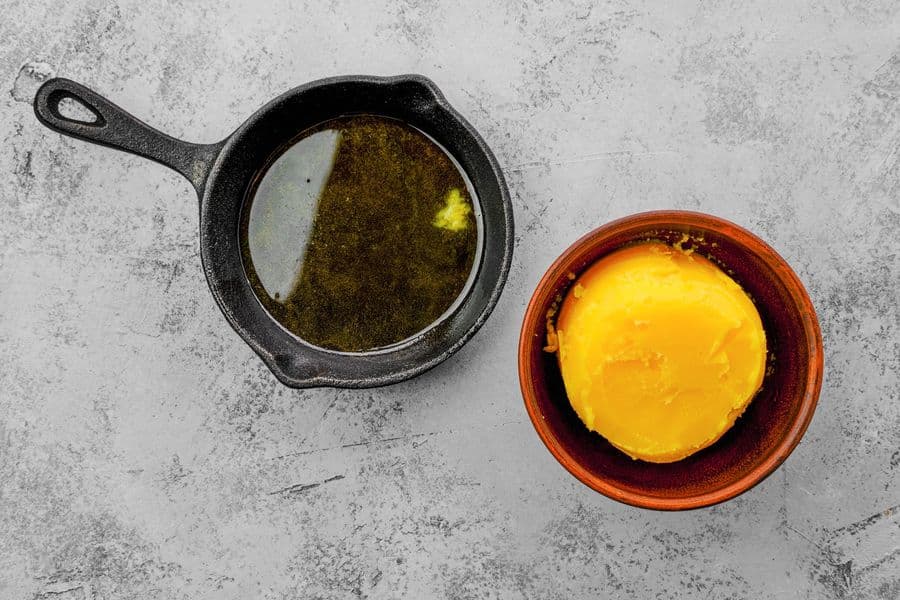
Ghee vs Refined Oil: Choose Healthy Fats Wisely
Understand ghee vs refined oil in simple words. Learn how to use fats in moderation, avoid reheated oils and choose better Indian cooking habits.
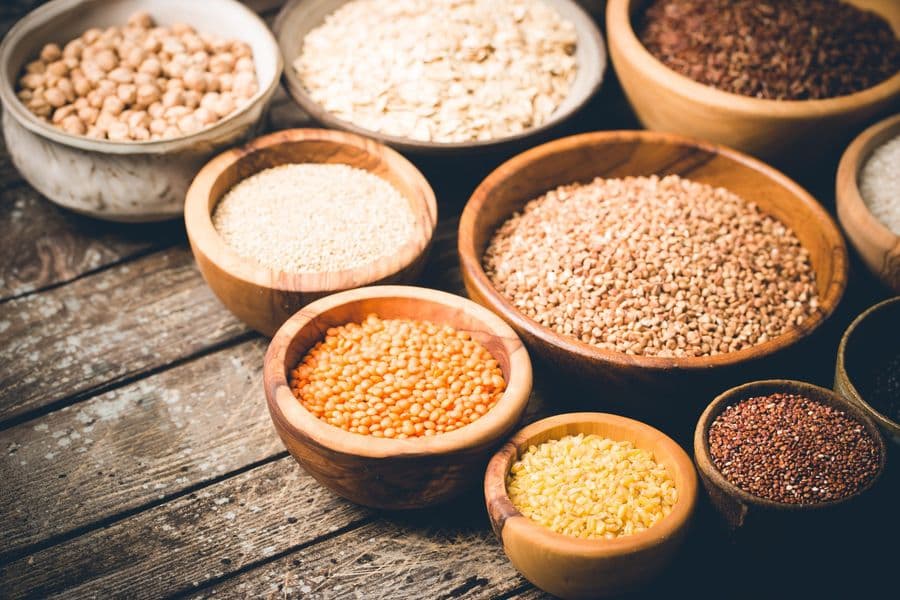
Dals Cause Gas? Simple Digestion Tips
Dals cause gas for many people because of fibre and complex carbs. Learn simple ways to soak, cook and eat dal for better digestion.