
Diet Soda: A Useful Swap or Just Another Soft Drink?
A diet drink's value depends on what it replaces. Explore sugar, weight, caffeine and dental considerations without the usual all-or-nothing claims.
Key Takeaways
- Diet soda's clearest benefit is replacing sugary soda.
- Weight-loss evidence for diet soda is mixed.
- Sugar-free soda can still harm teeth.
- Its caffeine may matter more than the sweetener.
If you usually drink a sugary soft drink with lunch, changing to its diet version removes much or all of that drink's sugar. If you already drink water, adding diet soda offers no similar advantage. That simple comparison explains why two people can get very different advice about the same can.
Diet soda is neither a required health food nor a reason to panic after an occasional drink. Its usefulness depends on what it replaces, how often you have it and what you expect it to do.
What is in a diet soda?
Most diet sodas use non-sugar sweeteners to provide a sweet taste with few or no calories. Depending on the product, these may include aspartame, sucralose or acesulfame potassium, sometimes in a blend.
They can also contain acids, flavourings, colouring and caffeine. “Diet”, “zero sugar” and “caffeine-free” describe different features, so one does not guarantee the others.
The bubbles come from carbonation. Carbonation itself does not explain every concern about soft drinks: a plain sparkling water and a caffeinated, acidic, sweetened cola are different beverages. It helps to know which feature is relevant to your own choice.
The clearest benefit is replacing a sugary drink
A diet version can lower the sugar and energy in a meal without requiring you to give up a familiar taste immediately. That can be a practical transition for someone who drinks regular soda frequently.
The swap works best when it actually replaces the original drink. Having both, or treating the saved calories as a reason for extra snacks, changes the result. The label cannot tell you what happens across the rest of the day.
For example, replacing a regular cola at a weekend outing is a straightforward change. Adding several diet drinks to a day that previously contained water is a different habit, with no clear nutritional gain.
Does it help with weight loss?
Replacing a sugary beverage can reduce calorie intake. But diet soda alone is not a weight-loss programme, and a lower-calorie drink does not guarantee a lower-calorie day.
The World Health Organization advises against relying on non-sugar sweeteners for long-term weight control. Its recommendation is conditional and reflects uncertainty in the evidence, including difficulties interpreting long-term observational studies.
Those studies can show associations without proving that sweeteners caused an outcome. People who already have weight or health concerns may be more likely to choose diet products. A sensible response is to reduce dependence on very sweet drinks overall while recognising that a specific replacement can still be useful.
What about diabetes?
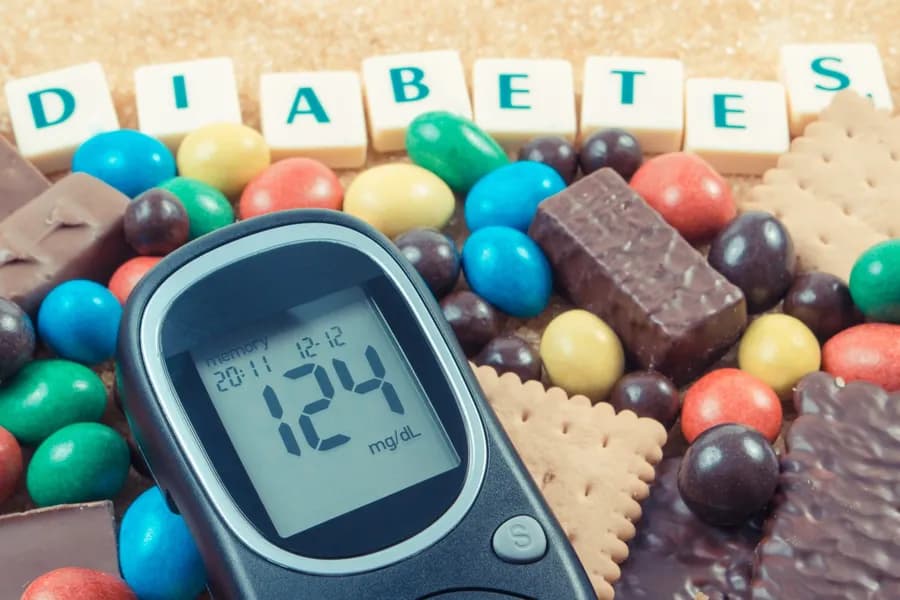
A genuinely sugar-free soft drink usually has a much smaller immediate effect on blood glucose than a sugar-sweetened one. That can matter when choosing between the two, but it does not make soda a source of nourishment.
The WHO sweetener recommendation does not apply to people with pre-existing diabetes. That exclusion is not an instruction that everyone with diabetes should drink diet soda; individual food choices still need to fit the wider plan.
A diet drink cannot treat low blood sugar. Someone managing a hypo needs the fast-acting carbohydrate specified in their treatment plan. A zero-sugar version does not provide the sugar required for that purpose.
Why sugar-free does not mean tooth-friendly
Many soft drinks are acidic, even when they contain no sugar. Acids can contribute to dental erosion, which is different from the tooth decay associated with sugars and bacteria.
Frequent sipping extends the time teeth are exposed. If you choose a diet soda, having it with a meal is more sensible than nursing it throughout an afternoon. Rinsing with water afterwards is a simple habit.
You do not need to replace every fizzy drink with fruit juice. Juice can also be acidic and contains sugars. For everyday thirst, plain water remains an easy option that does not require a special health claim.
Caffeine may matter more than the sweetener for you
Some people notice poor sleep, jitteriness or palpitations after caffeinated drinks. If that is your experience, a late-evening diet cola can be unhelpful even though it has no sugar.
Count it alongside tea, coffee and other caffeine sources. A drink that seems small on its own can add to a long day of caffeinated beverages. Children should not be encouraged to make caffeinated soft drinks an everyday habit.
Carbonation can also make some people feel bloated or belch more. You can choose a still drink if bubbles bother you. There is no need to tolerate discomfort to obtain a supposed diet benefit.
Are approved sweeteners safe?
Food regulators evaluate approved sweeteners for their intended uses and set acceptable intake limits. Approval does not mean drinking unlimited amounts is a good idea, but it also does not support treating an occasional can as poison.
Aspartame has one important exception: people with phenylketonuria, or PKU, need to avoid or restrict it because it provides phenylalanine. That is a specific inherited condition, not a general reason for everyone to avoid all sweeteners.
Cancer headlines also need context. A hazard classification asks whether something could cause harm under some circumstances; it does not by itself tell you the risk from a particular drink. Use regulator guidance rather than turning a headline into either a guarantee or a scare story.
A workable way to cut down
If you drink several sugary sodas, you might replace one with a diet version and another with water. Once that feels normal, make unsweetened drinks easier to reach and reduce the frequency of soft drinks further if you want to.
Chilled water with mint or a squeeze of lemon, plain water with meals, or unsweetened tea can provide variety. You do not have to replace every sweet taste in one week. Our guide on how to control sugar offers other everyday changes.
Choose a drink for the situation you are in. A diet soda can be an occasional option or a useful stepping stone, while water does most of the everyday work.
Editorial sources
Frequently Asked Questions
Related Articles
Is Diet Coke Healthy? Sugar, Sweeteners, Teeth and Caffeine
Diet Coke has almost no sugar, but it is still an acidic soft drink. What the swap does, what it does not, and how to keep it occasional.

Sugar Substitutes: Types, Uses and Safety
Sugar substitutes include intense sweeteners, sugar alcohols and low-energy sugars. Compare the main types and how to choose one sensibly.
Is Carbonated Water Healthy? Benefits, Teeth and Digestion
Plain carbonated water is water containing dissolved carbon dioxide. Learn about practical uses, portions and safety.
Natural Sweeteners: What the Label Really Means
"Natural" on a sweetener label does not mean low sugar. See how honey, jaggery, coconut sugar, stevia and monk fruit really compare.