Diet to Enhance Fertility: Foods That May Support Conception
Folate, healthy fats, and antioxidants support egg and sperm quality and overall readiness for conception, though diet is only one part of a bigger.

Key Takeaways
- Folate, healthy fats, and antioxidants support egg and sperm quality, not a guarantee.
- Folate is well-established for reducing neural tube defect risk before conception.
- Mediterranean-style eating shows modest associations with improved fertility markers.
- Diet can’t override age, PCOS, thyroid disorders, or other underlying medical factors.
- See a specialist after a year of trying (six months if over 35) rather than relying on diet alone.
A diet to enhance fertility won’t guarantee pregnancy, but certain eating patterns are consistently linked to better reproductive health for people trying to conceive. Nutrients like folate, healthy fats, and antioxidants support egg and sperm quality and overall readiness for conception, even though diet is only one part of a much bigger picture.
What a Diet to Enhance Fertility Looks Like
The quick version, before the nuance:
- Folate-rich foods: leafy greens, lentils, citrus fruits, and fortified cereals
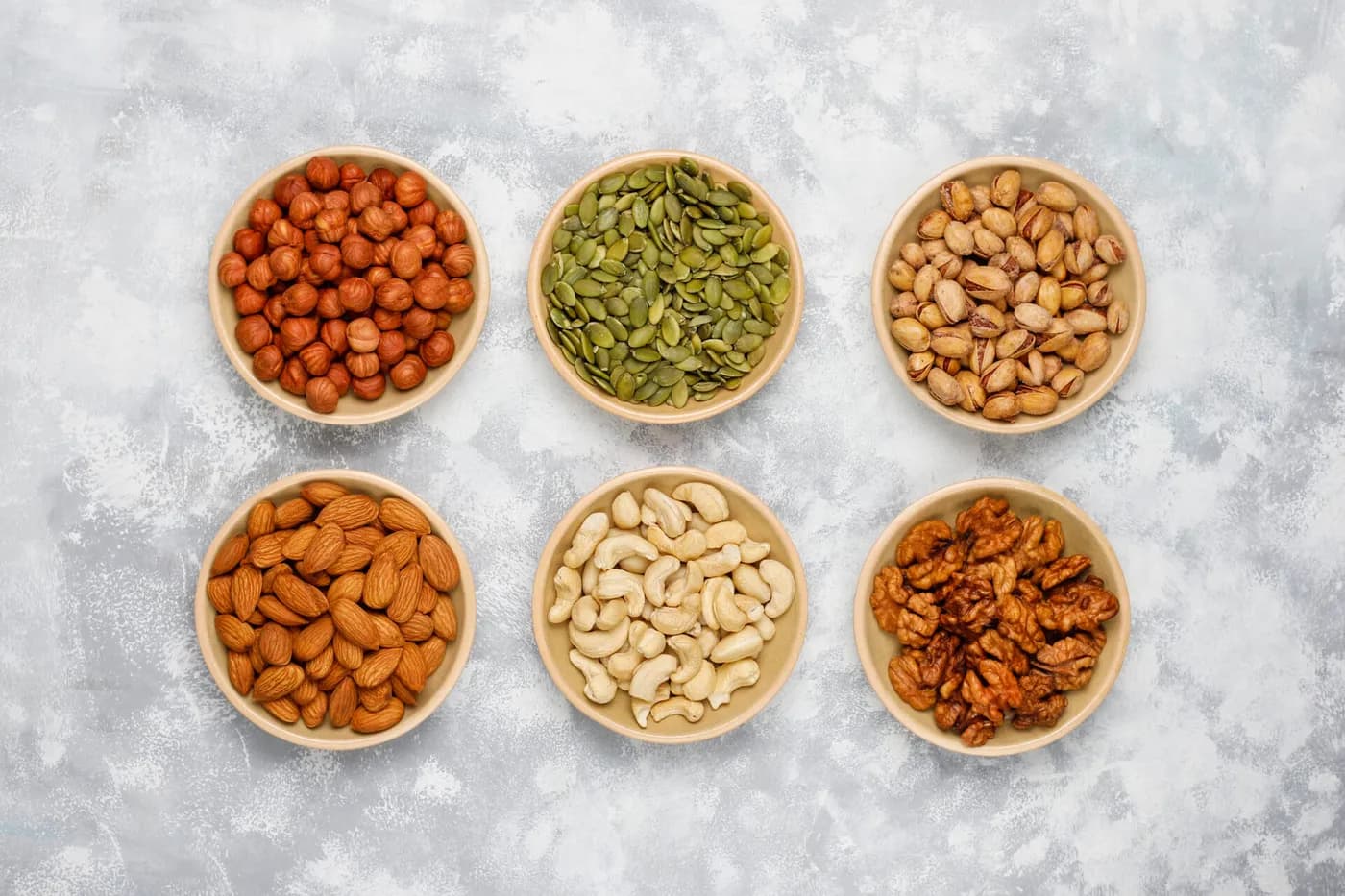
- Healthy fats: nuts, seeds, olive oil, and flaxseed or walnuts for omega-3s
- Antioxidant-rich produce: berries, tomatoes, and colourful vegetables
- Limit trans fats and refined sugar: packaged snacks, fried foods, and sugary drinks
- Whole grains and plant protein over heavily processed carbohydrates
- Moderate caffeine and alcohol intake for both partners
Foods and Nutrients Linked to Fertility Support
Folate (or folic acid) is one of the most well-established nutrients here — it’s recommended before and during pregnancy to reduce the risk of neural tube defects, and adequate levels are worth building up before you start trying to conceive. Healthy fats, particularly omega-3s from walnuts and flaxseed, play a role in hormone production, since several reproductive hormones are made from fat. Antioxidants like vitamin C, vitamin E, zinc, and selenium — found in colourful fruits, vegetables, nuts, and seeds — help protect egg and sperm cells from oxidative damage as they mature. Each of these nutrients is a recurring theme in almost any diet to enhance fertility recommendation you’ll come across.
Research on Mediterranean-style eating patterns, which emphasise vegetables, whole grains, legumes, and olive oil while limiting processed and ultra-processed foods and refined sugar, has shown modest associations with improved fertility markers in both women and men. None of this means any single food or nutrient can override other factors, but a consistent pattern over a few months does seem to matter more than isolated superfoods.
Photo: HealthAliciousNess, CC BY 2.0, via Openverse
Diet Is One Piece of the Fertility Puzzle
It’s important to be honest about this: fertility is influenced by age, underlying conditions like PCOS, endometriosis, or thyroid disorders, male-factor issues, stress, sleep, body weight, and factors diet simply cannot fix. A diet to enhance fertility can support general reproductive health and may help at the margins, but it is not a treatment for medical conditions that are preventing conception. If you’ve been trying for over a year (or six months if you’re over 35) without success, or if you have irregular cycles, pain, or a known condition, please see a doctor or fertility specialist for proper evaluation rather than relying on diet changes alone.
Common Mistakes People Make When Trying to Eat for Fertility
Chasing a single “superfood” is one of the most common mistakes — no amount of pomegranate juice, maca powder, or bee pollen substitutes for a consistently balanced diet to enhance fertility over months. Another common trap is cutting calories too aggressively while trying to “get healthy” before conceiving; very low-calorie diets can disrupt ovulation and menstrual regularity, which works directly against the goal.
This kind of restriction disrupts the same hormonal signals covered in our guide to vitamins to balance hormones for females, so if cycles feel off beyond just fertility, that’s worth a look too — and many of these same nutritional principles carry forward into a diet for lactating mother if you do conceive and later breastfeed. A dedicated PCOS diet guide (coming soon) will dig deeper into the hormonal side of this.
Extreme restriction of entire food groups — going very low-carb or very low-fat without medical reason — can also affect hormone production, since your body needs adequate energy and dietary fat to make reproductive hormones in the first place. Finally, many people focus only on the woman’s diet, when a genuine diet to enhance fertility works best when both partners adjust their eating, since sperm health responds to nutrition just as egg quality does.
Weight, Body Composition, and Fertility
Both being significantly underweight and significantly overweight are linked to ovulation problems, since body fat plays a real role in regulating reproductive hormones. This doesn’t mean chasing a specific number on the scale — it means that a diet to enhance fertility should support a stable, sustainable weight rather than rapid loss or gain in the months you’re trying to conceive. For women with PCOS specifically, even a modest 5-10% reduction in body weight, achieved through steady dietary changes rather than crash dieting, has been associated with improved ovulation in research studies — one more reason a diet to enhance fertility should be gradual rather than drastic. If your weight has been changing rapidly for any reason, it’s worth discussing with a doctor alongside any dietary changes, since rapid shifts can themselves disrupt cycles regardless of the direction.
Frequently Asked Questions
Related Articles

Diet for Strength Training: a Practical Eating Guide for Muscle and Recovery
Explore protein, carbohydrates, healthy fats and meal planning for strength training, muscle building and recovery.

Yoga Poses for Fertility (Fertility-Supporting Yoga): Steps, Benefits & Precautions
These poses are believed to improve blood circulation to the pelvic region, ease hormonal imbalances, and reduce the chronic stress that disrupts the.

Best Diet Plan for Muscle Building
A consistent supply of protein, quality carbohydrates, and healthy fats repairs muscle tissue and fuels workouts — training is only half the equation. See what the right nutrition looks like.