
Difference Between Fruits and Vegetables: From Plant to Plate
Botany and cooking classify produce differently. Learn what the categories mean and why variety matters more than the label on your plate.

Key Takeaways
- Botany and the kitchen classify produce differently.
- A tomato is botanically a fruit.
- Neither group is always more nutritious.
- Build plates around variety, not labels.
A tomato is a fruit in botany and a vegetable in most kitchens. Both descriptions can be useful. The confusion comes from using one word to answer two different questions: which part of a plant is this, and how do we normally eat it?
For everyday nutrition, knowing the exact botanical category matters less than eating a range of produce. Still, understanding the distinction makes food advice easier to follow—and explains why a tomato does not need to move from your salad into the fruit bowl.
Botany describes how the plant grows
In botanical terms, a fruit develops from the flower's ovary and generally contains seeds. Tomatoes, cucumbers, brinjals, capsicums and pumpkins fit that description, even though most people do not call them fruit at the dinner table.
“Vegetable” is a broader everyday term for edible plant parts. We eat leaves such as spinach, roots such as carrots, stems such as asparagus and flower structures such as cauliflower. These are different parts of a plant grouped together for practical use.
Botanical categories are about plant reproduction and structure. They were not designed to tell you whether a food belongs in a dessert, how many calories it contains or how much you should put on your plate.
Kitchens use flavour and habit
In cooking, fruits usually mean foods eaten for their sweetness or tartness: bananas, apples, mangoes, oranges and similar foods. Vegetables generally go into savoury dishes, from sabzi and sambar to salads and soups.
The boundary is flexible. Raw mango can go into a savoury chutney, while carrots can become halwa. Those recipes do not change the plant part. They simply show how culture and cooking shape our food categories.
That is why “technically a fruit” is an interesting fact rather than a nutrition correction. You can keep cooking tomatoes in dal and adding cucumber to raita without misunderstanding their value.
Does one group have more nutrients?
There is no single winner. Different fruits and vegetables provide different combinations of fibre, vitamins, minerals and plant compounds. A guava, a banana, spinach and a potato do not become nutritionally identical because two share a category.
Many fruits provide vitamin C, while some vegetables do too. Orange produce and leafy greens can provide carotenoids. Both groups contribute fibre, particularly when eaten in forms that retain their edible structure.
Variety is a better guide than ranking the groups. An all-fruit diet misses foods that a mixed diet provides, and eating vegetables does not make fruit unnecessary. There is room for both without comparing every bite.
Sweetness does not tell the whole story
A ripe fruit tastes sweet because it contains naturally occurring sugars. That does not make a whole orange nutritionally equivalent to a glass of sweetened orange drink. The whole fruit also supplies fibre and takes time to eat.
Likewise, vegetables are not all very low in carbohydrate. Potatoes, sweet potatoes and corn provide more starch than cucumber or leafy greens. They can still fit into balanced meals; their role and portion may differ.
Avoid rules such as “all sweet foods are bad” or “all vegetables are unlimited”. A small bowl of fruit after lunch and a large plate of deep-fried potato snacks are different choices for reasons that go beyond their names.
Whole produce and juice are different experiences
Chewing an apple usually takes longer than drinking its juice. Juice also makes it easy to consume the equivalent of several fruits without feeling you have eaten much. Removing pulp can reduce fibre further.
You do not need to juice vegetables to obtain their benefits. A cooked sabzi, a salad or vegetables added to dal can be easier to include regularly. A green drink does not replace every vegetable serving just because its colour looks convincing.
Smoothies retain more of the ingredients than strained juice, but the recipe and portion still matter. Several fruits blended with sweeteners or ice cream are different from one piece of fruit alongside breakfast.
Build a plate around roles, not arguments
For a familiar lunch, think of vegetables as the sabzi or salad, a protein food as dal, rajma, tofu or paneer, and a grain as roti or rice. Fruit can fit separately as part of a meal or snack.
A tomato and cucumber salad belongs comfortably in the vegetable part of that meal. There is no practical need to count it as your sweet fruit serving because it contains seeds.
Try adding produce to meals you already like: peas and carrots in poha, pumpkin in sambar, greens in dal, or seasonal fruit with curd. You do not need an unfamiliar salad bowl to eat well, and cooked vegetables count too.
Buying variety without wasting food
Choose a few foods you can realistically use. One leafy vegetable, one vegetable that keeps longer and a couple of seasonal fruits may be more practical than buying every colour at once.
If ripe fruit is often wasted, buy smaller quantities or choose fruit at different stages of ripeness. Use firmer vegetables earlier in planned meals and keep delicate greens where you can see them. Frozen produce can also be useful when fresh options are inconvenient.
Wash produce before preparing it and remove damaged portions. Eat suitable skins when you enjoy them, but do not force tough or inedible peels into a recipe for extra fibre. The goal is food you will actually use, not a perfect-looking shopping basket.
Neither group replaces the rest of your food
Fruits and vegetables are valuable, but they are only part of a nourishing diet. Most do not provide enough protein or energy to form every meal on their own.
Pair fruit with curd or a small serving of nuts when that makes a snack more satisfying. Add dal, beans or another protein food to a vegetable-based meal. Keep enough grain or other starchy food to meet your needs, rather than replacing the whole plate with salad.
The distinction is easy to remember: botany explains the plant, cooking explains the dish, and nutrition looks at the whole eating pattern. Once those questions are separated, the tomato can stay exactly where you enjoy it.
Editorial sources
Frequently Asked Questions
Related Articles
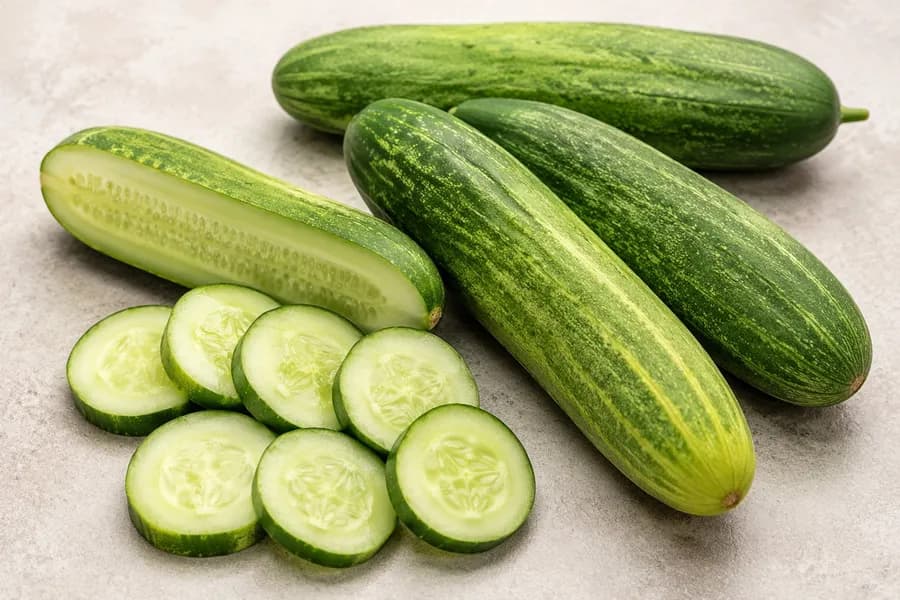
Is Cucumber a Fruit or a Vegetable? The Short Answer and Everyday Uses
Botanically a cucumber is a fruit; in the kitchen it is a vegetable. Here is the short answer, what cucumber offers and easy, safe ways to enjoy it.

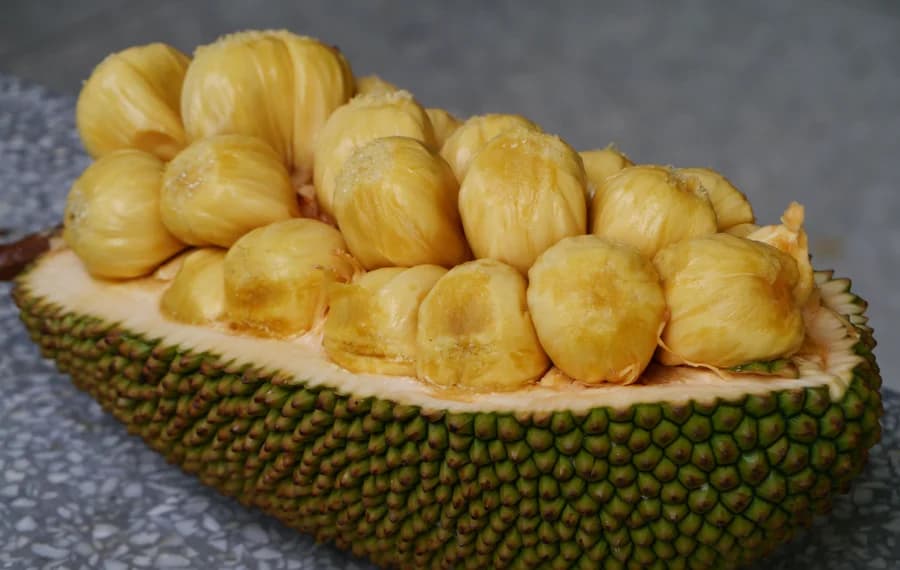
Jackfruit Seeds: A Useful Ingredient Worth Cooking
Cooked jackfruit seeds can become a satisfying seasonal ingredient. Learn how to prepare them and keep health claims realistic.

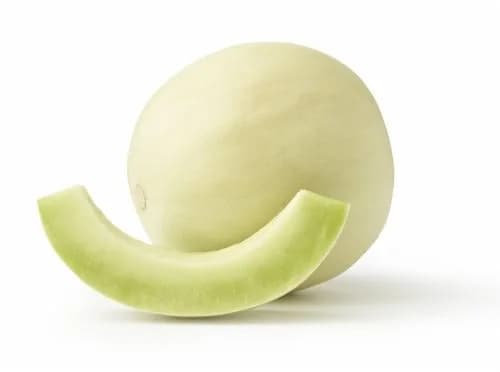
Honeydew Melon: A Fresh Way to Add Fruit to Your Day
Honeydew offers a refreshing fruit serving. Learn what it contributes and the simple handling steps that matter once you cut it.
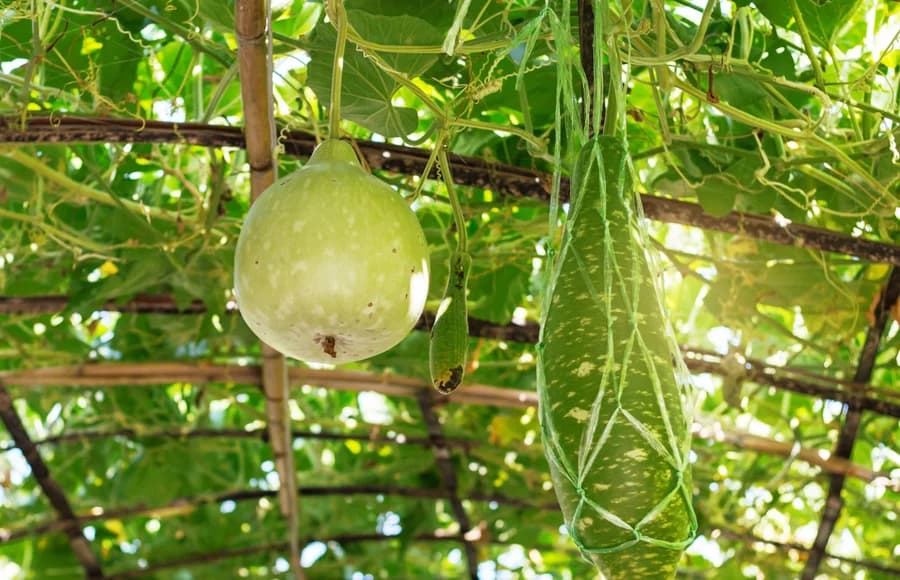
Ash Gourd Benefits: A Useful Vegetable Beyond the Juice Trend
Make ash gourd useful in everyday cooking without relying on exaggerated juice claims.