
Honeydew Melon: A Fresh Way to Add Fruit to Your Day
Honeydew offers a refreshing fruit serving. Learn what it contributes and the simple handling steps that matter once you cut it.
Key Takeaways
- Honeydew is a juicy, gently sweet melon.
- It is a hydrating food, not a replacement for drinking.
- Wash the rind before cutting.
- Refrigerate cut melon promptly.
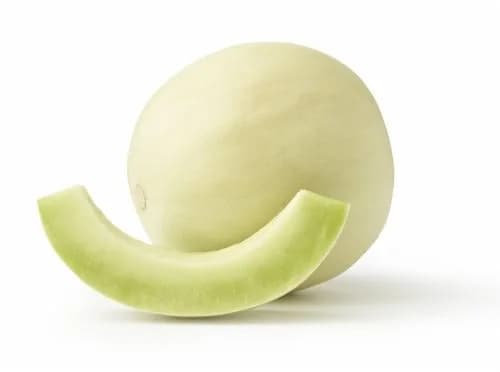
Honeydew is the melon with smooth skin and usually pale green, juicy flesh. When ripe, it is gently sweet and refreshing, especially in hot weather. It provides water, vitamin C and some potassium, but it does not need a superfood label to be a useful fruit. The main decisions are choosing a sound melon, serving an amount you enjoy and keeping the cut fruit cold.
What is in a serving?
Standard food data puts honeydew at roughly 35–40 calories per 100 g. A cup of diced fruit, around 170 g, provides approximately 60 calories, although the actual portion and variety will change that estimate.
Most of its weight is water. It also contains carbohydrate, a modest amount of fibre, vitamin C and potassium, with little protein or fat.
Those features make it a light fruit option rather than a complete breakfast. A large bowl can feel refreshing while still leaving you hungry later. If it is replacing a meal, add more substantial food rather than expecting the melon to provide everything.
Hydrating food, not a replacement for drinking
Watery fruit contributes to your fluid intake. That can be welcome when the weather is warm or your appetite for heavier foods is low.
It does not remove the need for regular safe drinking water. Someone who is dehydrated from vomiting, diarrhoea or prolonged heat exposure may need a more specific response than fruit.
For an ordinary day, keep both simple: drink when needed and enjoy fruit with meals or as a snack. There is no advantage in forcing a large melon portion just to meet a hydration challenge. More fruit can become uncomfortable without improving the routine.
How much is a useful portion?
A small bowl or roughly a cup of cut fruit is a reasonable starting point for many adults. It is a serving suggestion, not a daily requirement or a strict limit.
Appetite and the rest of the meal matter. A little melon after lunch plays a different role from a large fruit bowl used in place of lunch.
If you have a long gap before the next meal, pair it with plain curd, a suitable yoghurt or a small amount of nuts. You can eat them separately if that is easier. The extra substance can make the snack more satisfying without changing the fruit into a special recipe.
Keep the fruit whole rather than making a sweet drink
honeydew is easy to eat slowly and portion into a bowl. Blending or juicing can make it easier to consume a much larger amount, especially when sugar, syrup or ice cream is added.
A smoothie can still fit, but judge the full recipe. Fruit blended with plain curd is different from a large sweetened melon shake.
There is no need to add sugar to a ripe melon. If the fruit is less sweet than you hoped, use it in a salad or with another food rather than assuming it must be turned into dessert. Taste and preparation matter more than the name on the recipe.
Can it fit with diabetes?
Honeydew contains carbohydrate, so the portion matters. That does not make it automatically unsuitable for diabetes.
Choose a manageable serving of whole cut fruit and fit it into your usual meal plan. A smaller bowl is easier to account for than a very large blended drink consumed quickly.
If you already monitor glucose, consider the actual serving and what else you ate. You do not need to ban every melon because one large fruit portion gave a higher reading. Nor does the fruit's water content make its carbohydrate disappear. Both points help keep the decision realistic.
Picking a melon you will enjoy
Look for an intact melon without mould, leaking areas or obvious damage. Ripeness clues vary by variety, but a mature honeydew commonly has a creamy rather than very green background colour and a gently waxy feel.
Avoid pressing hard enough to bruise the fruit. A sound melon should not have large soft or collapsing patches.
No outside cue guarantees sweetness, so buying from a source with reasonably consistent fruit can be more useful than memorising a complicated checklist. Choose a size your household can finish after cutting. A huge melon is not better value if much of it is left unrefrigerated or wasted.
Wash the rind before cutting
You do not eat the rind, but the knife passes through it. Germs on the surface can be transferred to the flesh during cutting.
Wash the whole melon under running water and scrub a firm rind with a clean produce brush before cutting. Use clean hands, a clean knife and a clean board. Do not use soap or detergent on the fruit.
Keep raw produce away from equipment used for raw animal foods unless it has been cleaned properly. This is a short preparation step with a clear purpose: protecting the fruit you are about to eat, rather than making it look cleaner after it is already sliced.
Cut melon needs refrigeration
Refrigerate cut fruit promptly in a clean covered container. Do not leave a bowl on the table for several hours, particularly in hot weather.
General food-safety guidance uses a two-hour limit for perishable food at room temperature, shortened to one hour above about 32°C. If cut melon has been sitting out too long, chilling it afterwards does not reverse the earlier handling.
Buy pre-cut melon only when it is kept cold. Use it promptly and follow any use-by guidance. Discard mouldy, slimy or otherwise spoiled fruit, but remember that an apparently normal smell does not guarantee safe time and temperature handling.
Put it into an ordinary meal
Honeydew works with cucumber, mint and a squeeze of lime for a simple side. It can also sit beside a savoury breakfast or be served plain after a meal.
You do not need it every day. Guava, papaya, oranges and other seasonal fruits can fill the same general role when they are cheaper or easier to find.
Choose honeydew when you like its flavour and can handle it safely. A modest bowl of fresh fruit is useful on its own terms, without promises about detoxification, skin transformation or rapid weight loss.
Editorial sources
Frequently Asked Questions
Related Articles
Muskmelon: Nutrition, Portions and Safe Storage
Muskmelon nutrition, sensible portions, diabetes tips and how to wash, cut and store this summer fruit safely at home.

Watermelon Benefits: Nutrition, Portions and Safety
Watermelon is mostly water, making it refreshing and relatively low in calories by weight, but large bowls or juice still add up in carbohydrate.

Watermelon Seed Benefits: Nutrition and Portions
Dried watermelon seeds provide protein, unsaturated fat, magnesium and other minerals in a compact serving.
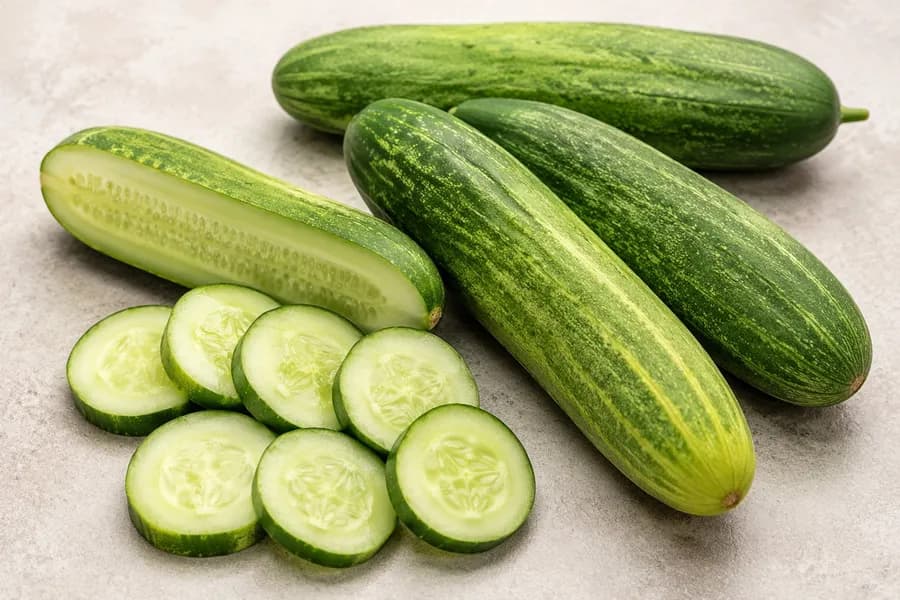
Is Cucumber a Fruit or a Vegetable? The Short Answer and Everyday Uses
Botanically a cucumber is a fruit; in the kitchen it is a vegetable. Here is the short answer, what cucumber offers and easy, safe ways to enjoy it.