
Dill: How to Use This Fresh Herb in Everyday Meals
Dill, also sold as suva, shepu or sowa, makes ordinary food taste brighter. Here is how to use this fresh herb in everyday Indian meals.
Key Takeaways
- Dill adds flavour with very little salt or energy.
- A garnish contributes only small amounts of nutrients.
- Fresh leaves, tender stems and seeds can all be used differently.
- Dill supplements and essential oil are not the same as the herb in food.
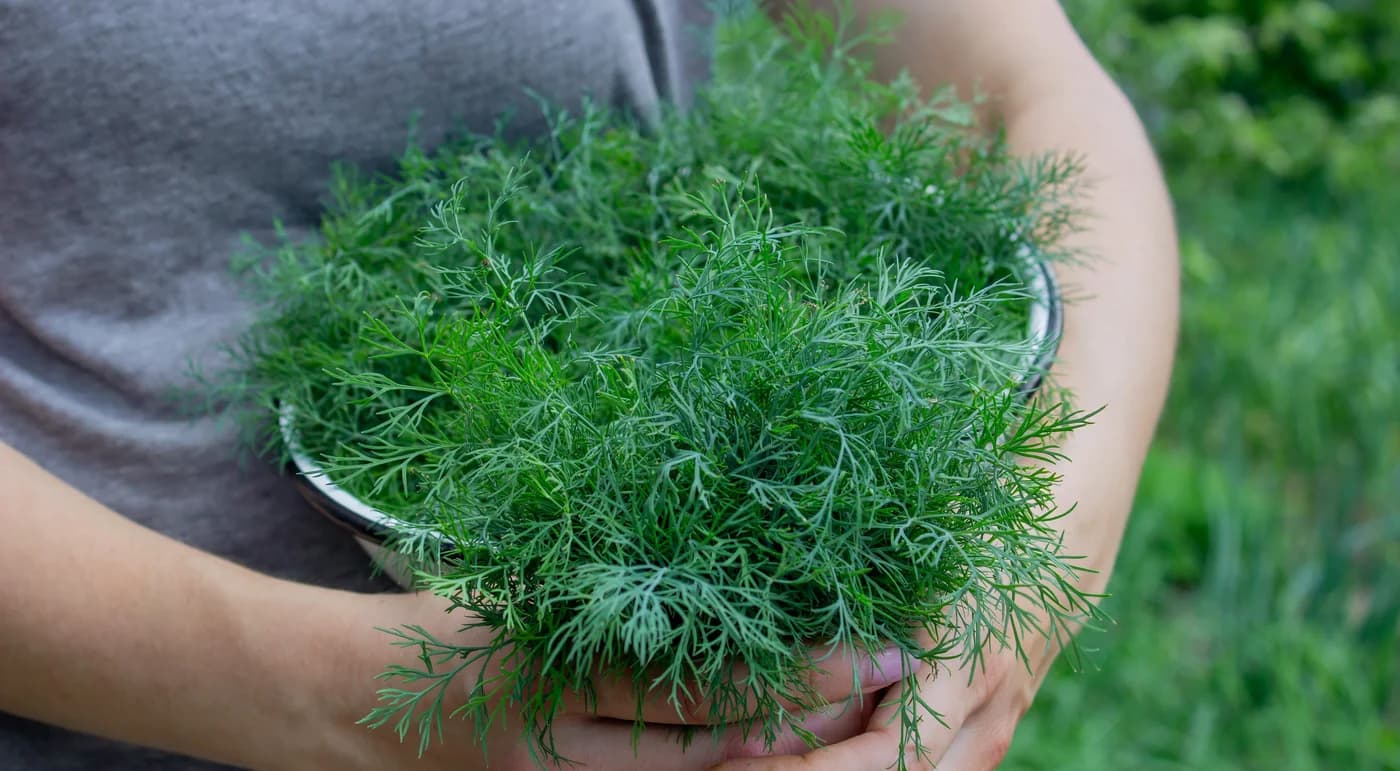
Dill looks delicate, but its flavour is hard to miss: fresh, grassy and slightly citrus-like, with a mild anise note. In India, it may be sold as suva, shepu or sowa and cooked as a leafy vegetable in some regions. It can make ordinary food taste brighter, which is its most useful everyday benefit. A small garnish, however, is not a treatment for diabetes or digestion.
What does dill bring?
Nutrition in perspective
Fresh dill contains vitamin C, carotenoids and small amounts of minerals, but serving size matters. A teaspoon scattered over raita cannot provide the nutrition of a bowl of vegetables. Treat dill as a flavourful part of variety, not a green supplement or a reason to reduce other vegetables.
Flavour can help reduce salt
Herbs make food interesting without depending entirely on extra salt, packaged masala or rich sauces. Dill works particularly well with curd, cucumber, potato, peas, lentils and lemon. Using it for flavour can support a lower-sodium pattern, although the complete dish still decides the salt content.
Leaves and seeds taste different
Fresh leaves are soft and aromatic, so add them near the end of cooking. Tender stems can be chopped finely; tougher stems can flavour soup or dal and then be removed. Dill seeds are stronger and warmer in flavour. Toast them gently or use a small amount in pickles and spice mixes.
Traditional use is not proof
Dill has a long history in home remedies for gas and infant colic, but concentrated dill water or oil should not be given casually to babies. Crying, vomiting, poor feeding or a swollen abdomen needs paediatric advice. Culinary dill can be enjoyed without giving it medicinal promises.
Bring it into the kitchen
Easy vegetarian uses
Mix chopped dill into raita, add it to moong dal, fold it into besan chilla batter, stir it through potato or pea sabzi, or combine it with cucumber and curd for a dip. It also works with tofu, paneer and lemony grain salads. Start small; the flavour becomes stronger as you add more.
Buying and washing
Choose bright green fronds without slime, dark wet patches or a musty smell. Rinse under clean running water and dry gently. Soap and household disinfectant are not meant for produce. If a bunch carries a lot of soil, separate the stems and rinse more than once in clean water.
Keeping it fresh
Wrap dry dill loosely in a slightly damp kitchen towel and refrigerate it in a container, or stand the stems in a little water and cover lightly. Change the water regularly. For longer storage, chop and freeze it for cooked dishes; frozen dill loses some texture but keeps useful flavour.
Who should be careful?
Allergy is uncommon but possible, particularly in people sensitive to related plants such as celery, carrot or coriander. Stop eating it if you develop itching or hives. Breathing trouble, facial swelling or faintness needs emergency help. Essential oil is highly concentrated and should not be swallowed as a home remedy.
A simple habit to try
Buy one small bunch and use it in two familiar dishes this week rather than searching for a special recipe. Notice whether it helps you enjoy vegetables or curd with less salt. For more practical meal ideas, explore Habuild’s diet and nutrition guides.
Dill can be more than garnish
In Maharashtrian and regional cooking, dill is often prepared as a proper leafy vegetable with moong dal, potato or another pulse. A larger cooked portion contributes more food than a few fronds on top. The flavour softens with cooking, which may suit someone who finds raw dill too strong.
Pair it with familiar proteins
Dill works with curd, tofu, paneer, moong dal and chickpeas. These pairings make the dish more substantial without asking the herb to supply meaningful protein itself. For a quick lunch, add dill to besan batter and serve the chilla with curd or a tofu filling.
Seeds need a lighter hand
Dill seed is not simply dried dill leaf. It tastes stronger and slightly bitter, and too much can dominate a dish. Crush or toast a small amount and add it to pickles, potatoes or dal. Store seeds in an airtight jar away from the stove, where heat and steam shorten their useful life.
Freezing is better than wasting
If the bunch is larger than you can finish, chop the clean, dry leaves and freeze them in a small box or ice-cube tray. Use the frozen herb in cooked food rather than salad because the texture softens. Labelling the date prevents a mystery green box from sitting in the freezer for months.
Supplements change the risk
A capsule, tincture or essential oil can deliver much more than a serving of food. Product composition may also vary. Do not use concentrated dill products for blood sugar, periods, labour or infant colic without clinical advice. Food-level use and therapeutic dosing are different questions.
Editorial sources
Frequently Asked Questions
Related Articles
Sage: Culinary Uses, Possible Benefits and Safety
Sage adds flavour to beans, pumpkin and grains, but teas, extracts and oil are stronger exposures. What research shows and when sage needs caution.

Ayurvedic Herbs: Traditional Use, Evidence and Safety
How to judge Ayurvedic herbs safely: evidence for each herb, label checks, heavy-metal concerns, interactions and choosing a practitioner.

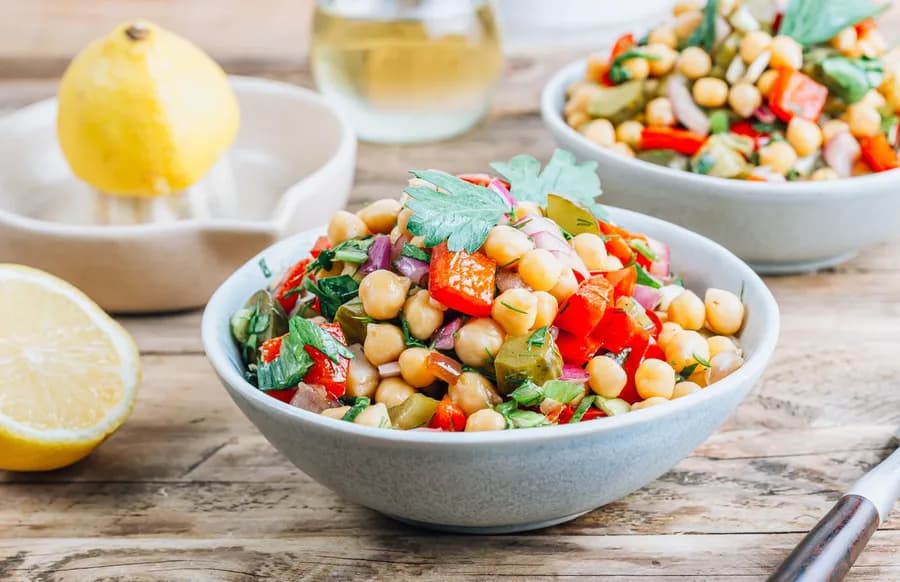
Chickpea herb salad: a protein-rich lunch bowl
A chickpea herb salad adds protein, fibre, and colour to the plate in one simple bowl, easy to prepare for lunch or a quick side. Full recipe below.
Green Vegetables Benefits: Nutrition and Everyday Uses
Green vegetables include leafy greens, beans, peas, broccoli, okra and many local varieties.