
Sage: Culinary Uses, Possible Benefits and Safety
Sage adds flavour to beans, pumpkin and grains, but teas, extracts and oil are stronger exposures. What research shows and when sage needs caution.

Key Takeaways
- Culinary sage in small amounts is very different from sage tea, extracts or essential oil.
- Studies on memory, hot flushes and blood sugar are small and use different products.
- Some sage products contain thujone, which can trigger seizures at high doses.
- Avoid medicinal sage in pregnancy, breastfeeding, epilepsy or with diabetes medicines.
- Never swallow sage essential oil; use fresh or dried leaves to flavour food instead.
Sage is an aromatic herb used in cooking, teas, traditional remedies and concentrated supplements. Fresh or dried culinary sage adds depth to food without adding salt, but an extract or essential oil is a very different exposure. Research has explored sage for memory, menopausal symptoms, blood glucose and throat comfort, yet most studies are small or use products that cannot be compared directly. The safest way to think about sage is to separate ordinary food use from medicinal doses and keep expectations in line with the evidence.
The word "herbal" encourages people to combine forms without counting the total. A meal seasoned with sage, two cups of sage tea and a concentrated capsule are not one modest serving, and each product may use a different species or extraction method. If you have a genuine reason to try a medicinal form, use one preparation at a time and keep it separate from everyday cooking.
What do people mean by sage?
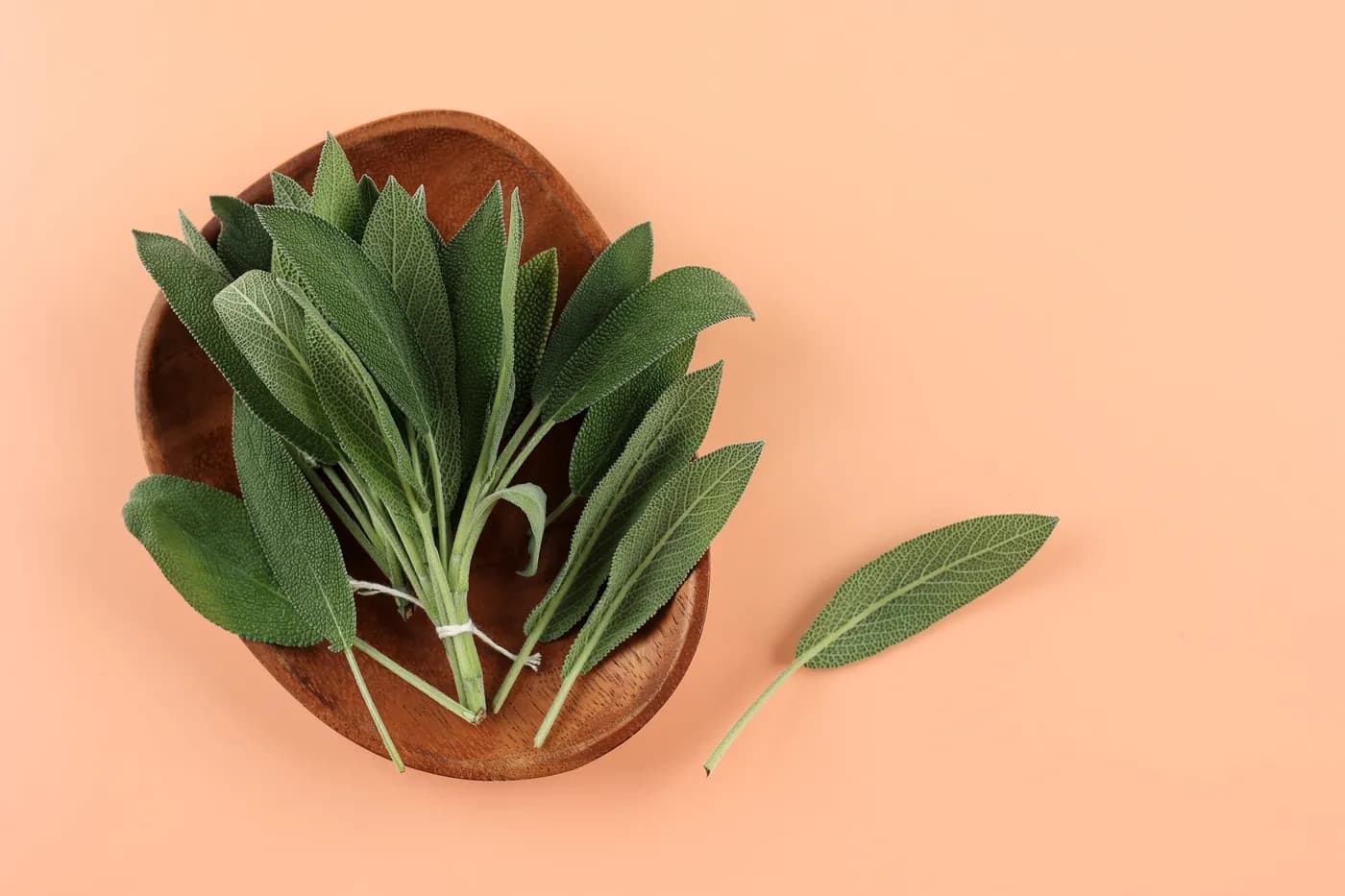
Common sage, Salvia officinalis, is the species most used in cooking and supplements. Other Salvia species, such as Spanish sage, have different chemical profiles, so "sage" on its own is not a complete description. Leaves are sold fresh, dried, powdered or as tea, tincture, capsule or essential oil, and the concentration rises sharply across those forms. Safety information for a seasoning cannot simply be transferred to an oil.
The leaves contain aromatic compounds and polyphenols, including rosmarinic acid, which show antioxidant and antimicrobial activity in laboratory experiments. Lab results help researchers identify possibilities, but they do not show that a spoonful of herb treats infection or prevents disease in people.
How can you cook with it?
Sage has a strong, earthy, slightly peppery taste, so a little goes a long way. It pairs well with roasted pumpkin, mushrooms, rajma and other beans, lentils, tomato sauces and whole grains. Frying a few leaves in a little oil or ghee makes them crisp and fragrant; the dish's nutrition still depends on how much oil and salt you use. Using sage alongside other herbs, lemon and spices can help you rely less on salt.
Wash and dry fresh leaves before use. Wrap them loosely in a slightly damp paper towel and refrigerate, or air-dry them for longer storage. Dried sage is more concentrated by volume than fresh, so start with less. Discard herbs that smell musty or show mould. Sage tea is stronger than a culinary sprinkle and delivers more active compounds, especially if several cups are drunk daily.
What benefits are plausible?
Small human studies have tested certain sage extracts for attention, memory or mood, but sample sizes, species and formulations differ, and the US National Center for Complementary and Integrative Health notes that too little research exists to draw firm conclusions. Sage is not a treatment for dementia or memory decline. Forgetfulness that affects daily life needs a medical assessment, because sleep, depression, thyroid problems, medicines and vitamin B12 status can all play a role.
Research on hot flushes and other menopausal symptoms is also preliminary. Some people report improvement with particular preparations, but that does not prove every tea or capsule works. Studies on blood glucose and cholesterol are too limited for sage to replace established care, and anyone taking glucose-lowering medicine should be cautious with concentrated products because the effects could add up. Sage mouth rinses or lozenges are sometimes used for sore throats; hydration and medical advice are safer starting points if you have fever, difficulty swallowing or symptoms that persist.
Why are extracts different?
Sage essential oil is highly concentrated and should never be swallowed as a home remedy, gargled undiluted or given to children. Some sage preparations contain thujone, a compound that can be toxic to the nervous system at high doses and may trigger seizures. Content varies by species, extraction and manufacturing, and a "natural" label does not reveal the dose or rule out contamination.
Pregnancy and breastfeeding call for caution with medicinal amounts, because safety data are limited and sage has traditionally been used to reduce breast-milk supply. People with seizure disorders, hormone-sensitive conditions, diabetes or upcoming surgery should take professional advice before using supplements. Culinary amounts in food are a separate, much lower exposure.
How do you choose safely?
For flavour, buy fresh or dried culinary sage from a reputable food seller. If you are considering a supplement, look for the full botanical name, extract ratio, amount per dose and independent quality testing. Avoid products that promise to cure diabetes, reverse dementia or balance hormones, and choose labels that list warnings rather than hiding behind a proprietary blend.
Choose one purpose and a review point. If a tea or supplement causes nausea, dizziness, rash, tremor or worsening symptoms, stop and seek advice. For most people, the most rewarding use is the simplest: a small amount of an aromatic herb making vegetables, beans and grains more enjoyable. For other gentle herb ideas, see our herbal tea recipes.
The bottom line
Sage earns its place most confidently as a flavourful kitchen herb. Treat teas and extracts as concentrated products, never swallow the essential oil, and do not use sage in place of diagnosis or proven treatment.
Editorial sources
Frequently Asked Questions
Related Articles
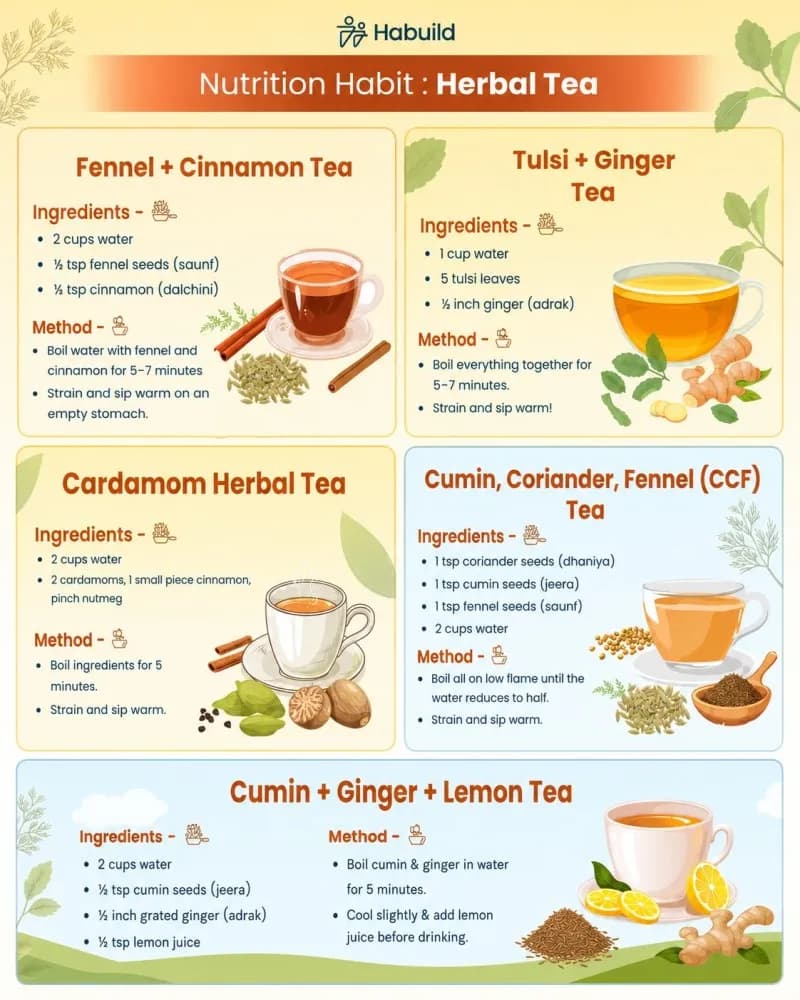
Herbal Tea Recipes: 5 Simple Blends for Daily Routine
These five herbal tea blends use common Indian kitchen ingredients like fennel, cinnamon, tulsi, ginger, and cardamom — light, warm drinks, not medicine..

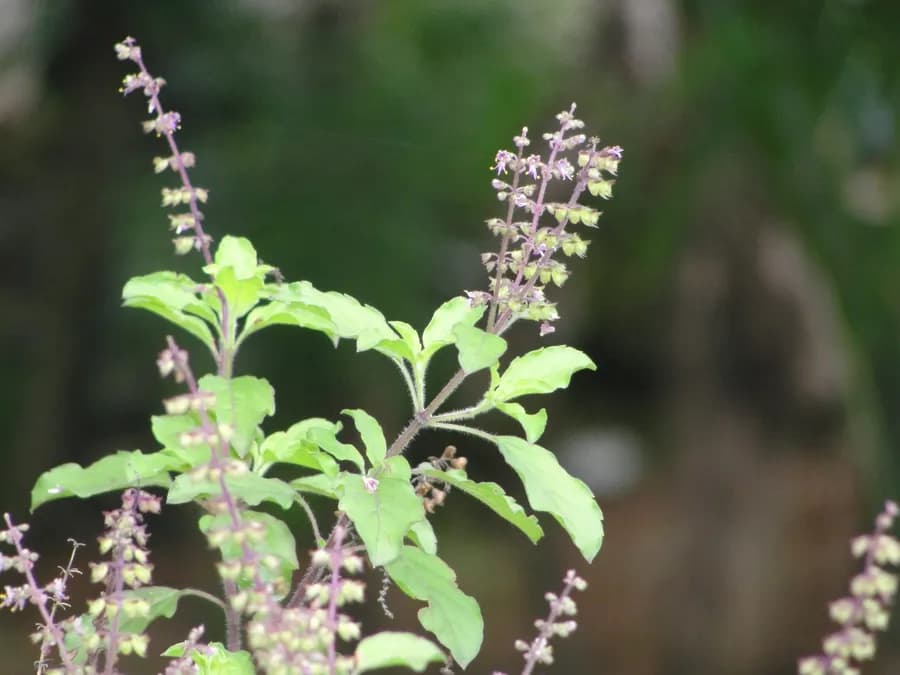
Tulsi: Benefits, Uses & Ayurvedic Properties
Tulsi (Ocimum sanctum / Holy Basil) is Ayurveda’s Queen of Herbs — a powerful adaptogen for immunity, stress, and respiratory health. Explore its.

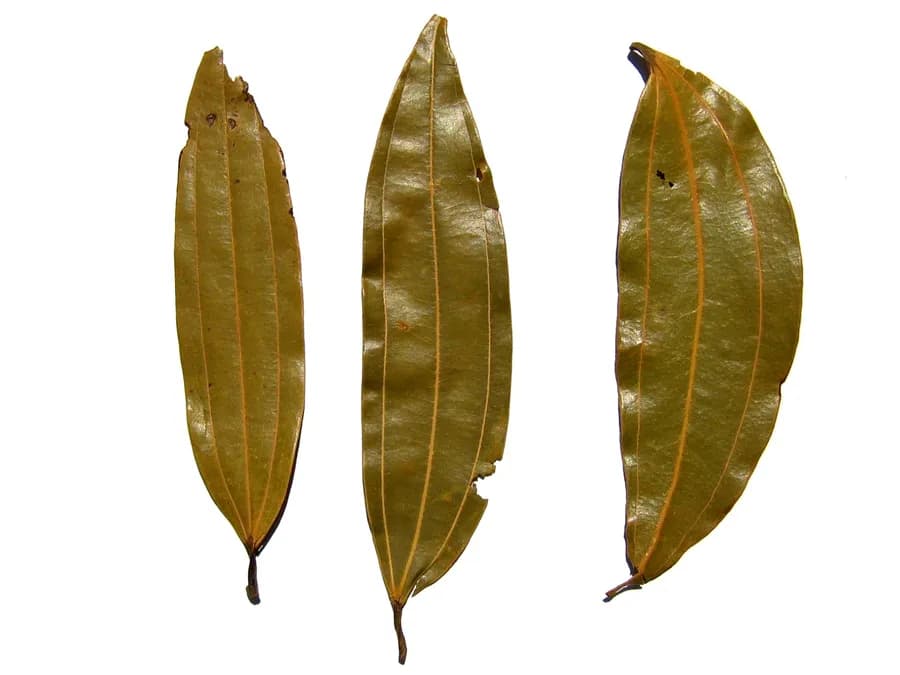
Tejpatta: Benefits, Uses & Ayurvedic Properties
Tejpatta (Indian Bay Leaf) is a versatile Ayurvedic herb prized for its warm, aromatic qualities and wide-ranging health benefits. Discover its.


Essential Oils for Sleep: What Works and How to Use Them
Not every essential oil marketed for sleep has evidence behind it — lavender does, most others don't. See which oils are worth using, and how to use them safely.