
Do Bananas Cause Constipation? Ripeness and Your Overall Diet Matter
Bananas are neither a universal cause of constipation nor a guaranteed remedy. Ripeness and the rest of your diet help explain the difference.
Key Takeaways
- Green and ripe bananas affect digestion differently.
- One fruit cannot supply a whole day's fibre.
- Increase fibre gently and drink enough water.
- Persistent constipation needs medical attention.
Bananas get blamed for constipation in some homes and recommended as a remedy in others. That can leave you unsure whether to eat the one in your fruit bowl. For most people, a banana does not automatically cause constipation. What matters more is your overall food pattern, how your gut responds and whether something else has changed.
A ripe banana can fit into a diet that supports regular bowel movements. It is not a guaranteed laxative, and cutting it out is not a reliable treatment either. Before banning a convenient fruit, it helps to look beyond that single food.
Constipation is more than missing a day
People do not all pass stool on the same schedule. Constipation can involve hard or lumpy stools, straining, a feeling that you have not emptied fully, or passing stool less often than usual.
A change from your normal pattern matters more than matching someone else's routine. If stools are soft and easy to pass, you do not need to force a bowel movement every morning just because that is someone else's habit.
Food is one influence. Travel, pregnancy, a change in activity, some medicines and repeatedly putting off the urge to go can also affect bowel movements. That is why blaming yesterday's banana may miss the wider picture.
Green and ripe bananas are different
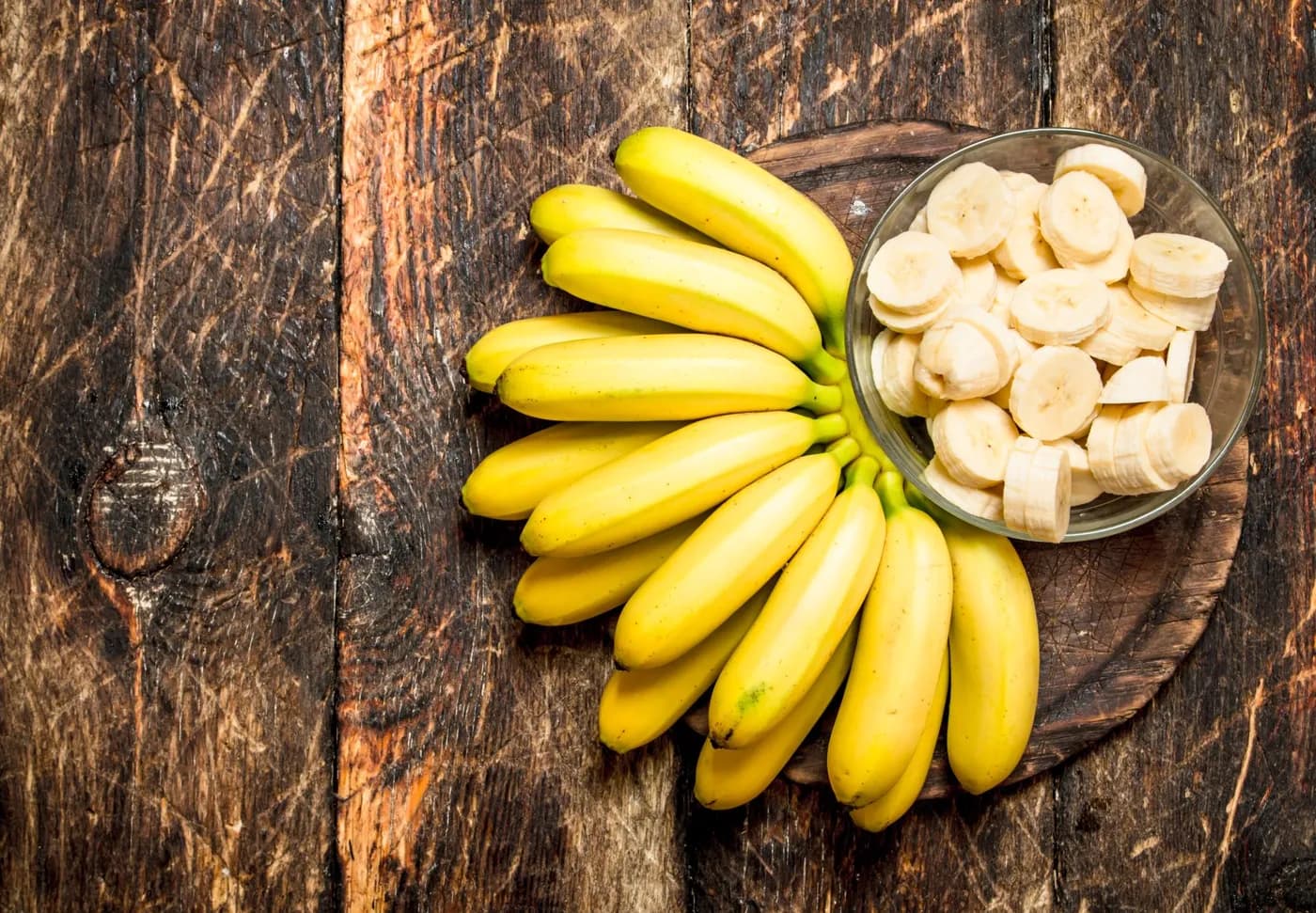
An unripe banana contains more starch, including resistant starch, which escapes digestion in the small intestine. As the banana ripens, some of its starch changes into sugars and the fruit becomes softer and sweeter.
Resistant starch can be used by bacteria in the bowel. That does not mean an unripe banana will improve everyone's digestion. Some people find it causes gas or discomfort. Others tolerate it well, especially as part of familiar cooked dishes.
A ripe banana is often easier to enjoy as a snack. Neither colour provides a promise about your next bowel movement. Studies of particular banana preparations also cannot be applied directly to every fresh banana, raw banana sabzi or banana-flour product.
One fruit cannot carry the whole day's fibre
Bananas contribute fibre, but variety makes it easier to get enough. A day built around refined grains, very little sabzi and few pulses may remain low in fibre even if you add a banana.
Look at meals across the day. Oats or a whole-grain breakfast, dal or beans at lunch, vegetables at two meals and different whole fruits can all help. Guava, pear, papaya and orange are options to rotate with bananas, according to availability and tolerance.
There is no need to buy an imported “constipation fruit”. A practical change might be adding a bowl of cooked vegetables to lunch or choosing fruit instead of a low-fibre packaged snack. Changes you can repeat matter more than finding a perfect fruit.
Increase fibre gently
If you currently eat very little fibre, a sudden jump can leave you bloated. Add foods gradually rather than combining large servings of bran, beans, seeds and extra fruit on the same day.
Drink fluids regularly as well. Fibre works better when there is enough fluid available to help stools stay soft. You do not need to force litres of water beyond comfort, and someone with a prescribed fluid limit should follow that plan.
For a simple breakfast, try oats with sliced ripe banana and curd, if dairy suits you. Another option is vegetable poha followed by fruit later in the morning. These meals offer a more useful pattern than eating several bananas in the hope of an immediate result.
If bananas seem to make you uncomfortable
You do not have to keep eating a food that repeatedly makes you feel worse. First notice what happens with an ordinary portion, rather than a large smoothie containing several bananas and other ingredients.
Consider the meal around it too. Milk, sweeteners, a large serving of protein powder or the total volume of a shake could be contributing to bloating. Changing everything at once makes the result difficult to interpret.
You can leave bananas out for a short period and choose other fruit, then see whether a small serving suits you later. Avoid turning this into a long list of forbidden foods. Repeated constipation despite changes deserves a clearer explanation than “my gut dislikes fruit”.
Daily habits that make room for a bowel movement
Allow a little unhurried toilet time, particularly after a meal when the bowel naturally becomes more active. Try not to ignore the urge because you are rushing to work or sharing a busy bathroom.
Sit comfortably, avoid prolonged straining and consider a small footstool if it helps you bring your knees above your hips. You do not need to stay seated for a long time waiting for something to happen.
Regular movement also helps establish a routine. A walk, errands on foot or brief movement breaks during desk work can be manageable starting points. These habits support bowel function without making every meal a test of whether you have eaten the right food.
Children need an age-appropriate approach
A child who enjoys bananas does not usually need a blanket ban. Offer a range of foods and fruit in a texture suitable for their age, rather than replacing meals with repeated servings of one favourite food.
Painful stools can lead children to hold them in, which can make constipation worse. Persistent difficulty, soiling or distress is a reason to get help rather than repeatedly switching fruits. Adult laxatives and adult fibre advice are not a suitable substitute for a child's treatment plan.
When food changes are not enough
Constipation that continues or keeps returning may need treatment, including a suitable laxative. Needing one does not mean you have failed to eat well. Some medicines and medical conditions can make food changes alone insufficient.
Get prompt medical attention for severe abdominal pain, vomiting, blood in the stool or an inability to pass gas, particularly with a swollen abdomen. Unexplained weight loss or a persistent new change in bowel habit also needs assessment.
If bananas suit you, keep them. Build regularity through the whole day's meals and routine, rather than asking one fruit to cause—or solve—the problem.
Editorial sources
Frequently Asked Questions
Related Articles
Banana and Milk Together: Nutrition, Digestion and Simple Shake Tips
Banana and milk are safe together for most people. Learn what the pair provides, why it may bloat some people and how to make a simple shake.

How Many Bananas Should You Eat a Day?
A flexible guide to banana portions without rigid rules or unnecessary food fears.

Prunes Benefits: Constipation Relief, Portions and Safety
How prunes help constipation, what trials show, a gentle starting portion, prunes vs prune juice, bone health research and who should be careful.

Foods for Constipation: Everyday Choices That Help
Which fruits, grains, pulses and vegetables ease constipation, how to add fibre without gas, and how to use isabgol safely.