
How Many Bananas Should You Eat a Day?
A flexible guide to banana portions without rigid rules or unnecessary food fears.
Key Takeaways
- There is no daily banana quota to meet.
- One or two bananas can fit a varied day.
- Pair a banana with protein for a fuller snack.
- People with potassium restrictions need specific advice.
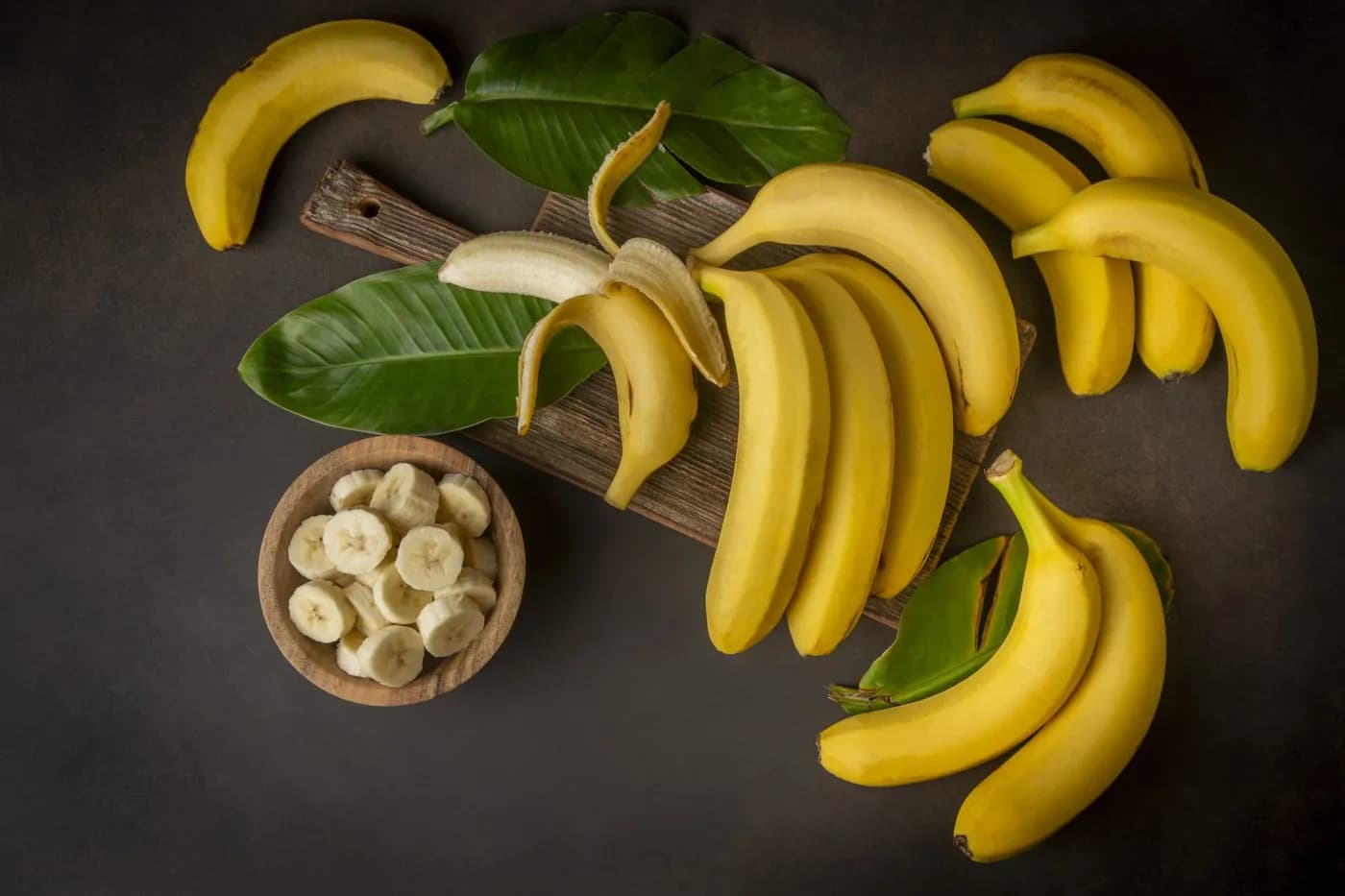
There is no banana quota you need to meet. For many adults, one banana is a convenient fruit serving, and two can also fit into a varied day. The right amount depends on appetite, activity, other foods and any medical restrictions. A banana is neither a compulsory daily health habit nor a fruit you need to fear because it contains carbohydrate.
Start with the size of the fruit
Bananas vary from small Indian varieties to much larger fruit. “Two bananas” can therefore describe quite different portions. Think about the amount you are eating rather than comparing counts without considering size.
A medium banana provides roughly 100 calories, about 25–30 g of carbohydrate and around 3 g of fibre in standard food data. These are approximate figures, not exact values for every variety.
It also supplies potassium and vitamin B6, but relatively little protein or fat. That explains why a banana can be useful for quick food without being a complete meal on its own.
One can be enough without being a limit
If you enjoy a banana at breakfast, that may be all you want that day. Choose another fruit later for variety rather than eating more bananas because they have a healthy reputation.
If you have a larger appetite or an active day, a second banana may fit comfortably. The number itself is not the main problem; what it replaces or adds matters more.
Eating several bananas every day can crowd out other foods, especially if the rest of the diet is limited. Variety brings different flavours and nutrients and makes meals less dependent on one convenient ingredient.
Pair it when you need a more substantial snack
A banana alone may be enough before a short walk or when the next meal is near. For a longer gap, pair it with a protein food or another filling addition.
Plain curd, milk, roasted chana or a small amount of nut butter can work according to your preferences. For example, banana with curd is easy to prepare and more substantial than fruit alone.
You do not need to blend the combination. Eating the banana and having the other food separately is just as practical. Choose the form you enjoy rather than assuming a smoothie is automatically more nutritious.
Bananas and body weight
A banana does not independently cause weight gain or weight loss. It contributes energy like other foods, and its place depends on the overall pattern.
Replacing a frequent sweetened drink or a less satisfying snack with a banana may be useful. Adding a large banana shake with ice cream to an unchanged day is a different decision.
For weight management, keep the food recognisable. A banana in oats or alongside a meal can fit without a special rule about avoiding it after sunset. Portion and the full recipe matter more than a claim that the fruit is fattening.
What if you have diabetes?
Bananas contain carbohydrate, so the amount matters for glucose management. That does not make them automatically unsuitable.
A smaller banana or part of a larger one may be easier to fit than a large serving of fruit blended with juice or added sugar. Pairing it with an appropriate meal or snack can also make the eating pattern more balanced.
Use the food and monitoring plan you already have. If you check glucose, judge your actual portion and meal rather than assuming every banana gives the same response. You do not need to remove all fruit because one large serving did not suit you.
Ripeness changes texture and starch
As bananas ripen, some starch is converted to sugars, and the fruit becomes sweeter and softer. Less ripe bananas contain more resistant starch, but may feel less comfortable for some people.
Choose a stage that suits taste and digestion. A very green banana is not automatically a better choice simply because it tastes less sweet, and a ripe one is not spoiled just because the skin has brown spots.
Use the flesh's condition as well as the skin. Discard fruit with mould, an abnormal smell or clear spoilage. A sound ripe banana can be used promptly or frozen for later cooking.
Exercise does not create a fixed banana requirement
Bananas are portable and easy to eat, which makes them convenient around activity. They supply carbohydrate, but they are not a special treatment that prevents every exercise cramp.
For ordinary activity, choose according to hunger and the timing of the next meal. After a demanding session, include a protein food and enough overall food rather than relying on a banana alone for recovery.
You also do not need to earn a banana through exercise. It can be an ordinary snack on a rest day. Food choices work better when they support your routine than when each one requires a workout justification.
Potassium restrictions are a specific exception
Most healthy people do not need to avoid bananas because of potassium. However, some kidney conditions and medicines can affect potassium balance, and a prescribed restriction changes the advice.
If that applies to you, fit bananas into the individual plan rather than following a general recommendation to eat two daily. Other fruit choices may be more suitable in the portion your renal team advises.
Do not start a high-banana routine to treat blood pressure or a suspected potassium deficiency. A useful food and a medical treatment are different things, especially when the body has difficulty handling minerals.
Make the fruit last
Buy a mix of ripeness levels if you do not want the whole bunch ready on the same day. Keep sound fruit where you will notice and use it, away from excessive heat.
Peel and freeze overripe but unspoiled bananas in pieces for porridge, baking or a later smoothie. Remember that a banana-based dessert still takes its nutritional character from the complete recipe.
Let appetite and variety guide the amount. One or two bananas may fit well for many people, but neither is a target you must reach. The best daily choice is enough fruit you enjoy, with room left for the rest of your food.
Editorial sources
Frequently Asked Questions
Related Articles
Is Banana Good for Diabetes? Portions, Ripeness and Pairings
Banana can fit a diabetes eating plan when portion, ripeness and pairing are right. Here is how to include it and check your own response.

Is Cucumber a Fruit or a Vegetable? The Short Answer and Everyday Uses
Botanically a cucumber is a fruit; in the kitchen it is a vegetable. Here is the short answer, what cucumber offers and easy, safe ways to enjoy it.
Banana and Milk Together: Nutrition, Digestion and Simple Shake Tips
Banana and milk are safe together for most people. Learn what the pair provides, why it may bloat some people and how to make a simple shake.

Best Time to Eat Fruit: Morning, Night or With Meals?
There is no magic hour for fruit. Learn how to time it around meals, exercise, diabetes, reflux and medicines without strict rules.