
Edamame Benefits: Protein, Nutrition and Safe Serving Ideas
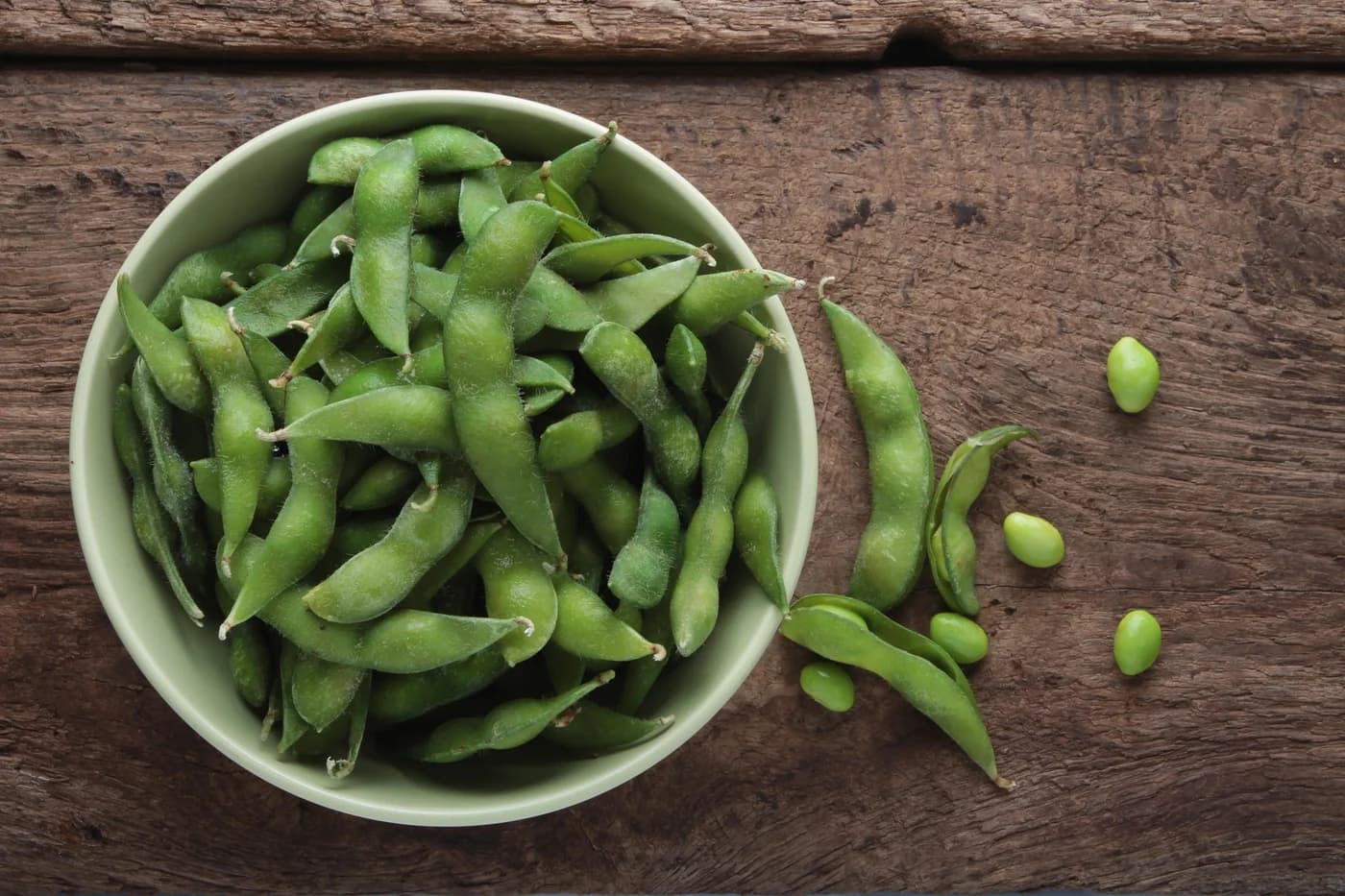
Edamame are young green soybeans harvested before they mature. They offer more protein than many green vegetables, plus fibre and folate.
Key Takeaways
- Edamame are young green soybeans; soy protein supplies all nine essential amino acids.
- Boil or steam the pods until tender, then eat the beans and discard the tough, fibrous pod.
- Plain frozen edamame usually has less sodium than salted restaurant or roasted packaged snacks.
- Soy allergy needs strict avoidance; levothyroxine users should keep the prescribed timing gap.
Edamame are young green soybeans harvested before the beans fully mature. They offer more protein than many green vegetables, but the fibrous pod is a serving shell, not something intended to be swallowed.
What is edamame?
Edamame is the same species as the mature soybean, picked while it is still green and tender. It therefore tastes fresher and contains more water than dry soybeans. The fuzzy outer pod is usually cooked for flavour, but the beans inside are the edible part. If you want the bigger picture on mature soybeans and soy products, see our guide to soybean nutrition; this article focuses on the green beans themselves.
Nutrition profile
Cooked edamame provides protein, fibre, folate, vitamin K, iron, magnesium and potassium. Soy protein contains all nine essential amino acids, which makes edamame a useful option for vegetarian meals. Exact values depend on whether a label lists the beans alone or beans in pods, so check which one you are reading.
One of the most practical edamame benefits is that a normal portion contributes protein and fibre without needing to carry the whole meal. It is also more substantial than many salty snack foods. Variety still matters, because one soy food cannot replace every pulse, vegetable and grain.
How to buy and cook edamame
Frozen edamame is convenient and widely available. Fresh pods should look green and firm rather than slimy or deeply discoloured. Keep frozen beans frozen until needed.
To cook, boil or steam fresh or frozen pods according to the pack until tender; frozen edamame can also be microwaved. Drain well and salt lightly after cooking, so the amount is easier to judge. Push the beans out of the pod with your fingers or teeth and discard the tough pod. Do not taste raw beans to check doneness.
Shelled edamame can go straight into rice bowls, salads, soups and stir-fries. Refrigerate cooked leftovers promptly, and use a chilled lunch bag if you pack them for work or travel. A bowl left warm for several hours is not made safe by casual reheating.
Snack and meal ideas
- Toss shelled beans into a chaat-style bowl with cucumber, tomato, lemon and chaat masala.
- Blend cooked beans into a dip with lemon and herbs.
- Stir them into vegetable rice or a noodle bowl.
- Mix them with corn and tomato, seasoned with cumin, chilli and coriander.
- Serve a measured bowl of steamed pods as an evening snack.
When using a packaged sauce, taste before adding extra salt. A home dressing of lime, sesame and a little oil keeps the bean flavour clear. Roasted packaged edamame is more concentrated and may be high in sodium.
Portions for snacks, meals and children
A small bowl works as a snack, while a larger serving can become the protein component of lunch. Hunger, energy needs and the other foods on the plate matter more than copying a fixed number from social media. Salted restaurant portions can contain much more sodium than plain frozen beans. Protein and fibre may support fullness, which can help with weight management, but total intake still counts.
For children, serve only the shelled beans in an age-appropriate texture and supervise eating, because the pods are fibrous and not meant to be swallowed. Edamame should complement a varied diet rather than become the only protein food offered.
Soy isoflavones in perspective
Soybeans contain isoflavones, plant compounds that can interact weakly with oestrogen receptors and have been studied for heart, bone and menopausal health. This has led to exaggerated claims in both directions. Eating ordinary amounts of soy foods is not the same as taking a concentrated extract, and evidence does not support the idea that men must avoid edamame. Equally, edamame does not treat hormonal conditions or prevent cancer by itself.
Soy, thyroid treatment and kidneys
Soy foods do not need to be banned for everyone with a thyroid condition. The practical concern is that food and supplements can affect absorption of levothyroxine. Take the medicine exactly as prescribed and keep the advised interval before eating; consistency helps your clinician interpret follow-up tests.
Iodine matters for thyroid hormone production, but excessive iodine supplements can also be harmful. Use iodised salt sensibly and discuss persistent symptoms with a clinician instead of combining several "thyroid support" products. People with kidney disease may need to watch potassium, phosphorus or protein, so follow individual advice.
Allergy and digestive comfort
Soy is a recognised food allergen. Hives, facial swelling, wheezing, repeated vomiting or faintness after eating require urgent help, particularly when breathing is affected. Anyone with a diagnosed soy allergy should avoid edamame completely and check packaged foods for soy ingredients and cross-contact warnings.
Fibre and fermentable carbohydrates may cause gas when the portion increases suddenly. Start with a smaller serving, chew well and see how it feels. Digestive discomfort does not automatically mean an allergy, but recurring symptoms deserve individual advice.
Labels and sourcing
Labels such as organic, non-GMO or natural address different concerns and do not determine protein, portion size or allergy safety. If sustainability matters to you, check origin, certification and packaging where that information is available.
Editorial sources
Frequently Asked Questions
Related Articles
Soybean Nutrition: Protein, Uses and Safety
Soybeans provide high-quality plant protein, fibre, unsaturated fat, iron and other nutrients.

Protein in Soya Chunks: How Much Is Really in There?
Protein in soya chunks is roughly 52g per 100g dry — one of the most concentrated vegetarian protein sources around, though the number changes once you.
High Protein Vegetarian Foods: The Complete Indian Food List
Indian kitchens are already full of high protein vegetarian foods — dals, paneer, tofu, soy, and dairy. See the complete list, with protein counts, and.
