Vegetarian Foods for Hair Growth
Food supports normal hair growth but cannot fix every type of hair loss. Learn key vegetarian nutrients, supplement risks and when to seek care.

Key Takeaways
- Protein, iron, zinc, B12 and enough total food support hair.
- Supplements help mainly when a deficiency is present.
- Too much vitamin A, selenium or other nutrients can worsen hair loss.
- Sudden, patchy or scarring hair loss needs medical assessment.
Food supports normal hair growth, but it cannot fix every type of hair loss. Learn which nutrients matter and when shedding needs medical care.
Foods for hair growth at a glance
- Foods for hair growth include iron-rich pulses, protein sources, nuts, seeds and vitamin-C fruits.
- Foods for hair growth work slowly, often over several months of hair growth cycles.
- Foods for hair growth cannot fix hair loss caused by hormones, thyroid issues or genetics alone.
- Foods for hair growth are most useful alongside enough sleep, stress management and gentle hair care.
- Foods for hair growth should be combined with a doctor’s advice if hair loss is sudden or patchy.
- Foods for hair growth include protein, since hair itself is mostly made of keratin protein.
- Foods for hair growth are a support habit, not a guaranteed fix for every cause of hair loss.
- Foods for hair growth work best as part of an overall balanced vegetarian diet.
- Foods for hair growth are worth pairing with iron-absorption boosters like vitamin C at meals.
- Foods for hair growth work best when eaten consistently, not just occasionally
How food affects hair
Hair follicles are active tissues. They need energy, protein, vitamins and minerals to grow. Eating too little, losing weight quickly or missing key nutrients can push more hairs into a shedding phase.
Food is only one part of the picture. Genetics, thyroid disease, hormones, pregnancy, fever, stress, medicines, scalp disease and tight hairstyles can also cause hair loss.
The American Academy of Dermatology notes that low iron, protein, biotin or zinc can lead to noticeable hair loss. Correcting a real deficiency may help regrowth. (1)
Protein-rich vegetarian foods
Hair is made largely from a protein called keratin. Include a clear protein source at each main meal.
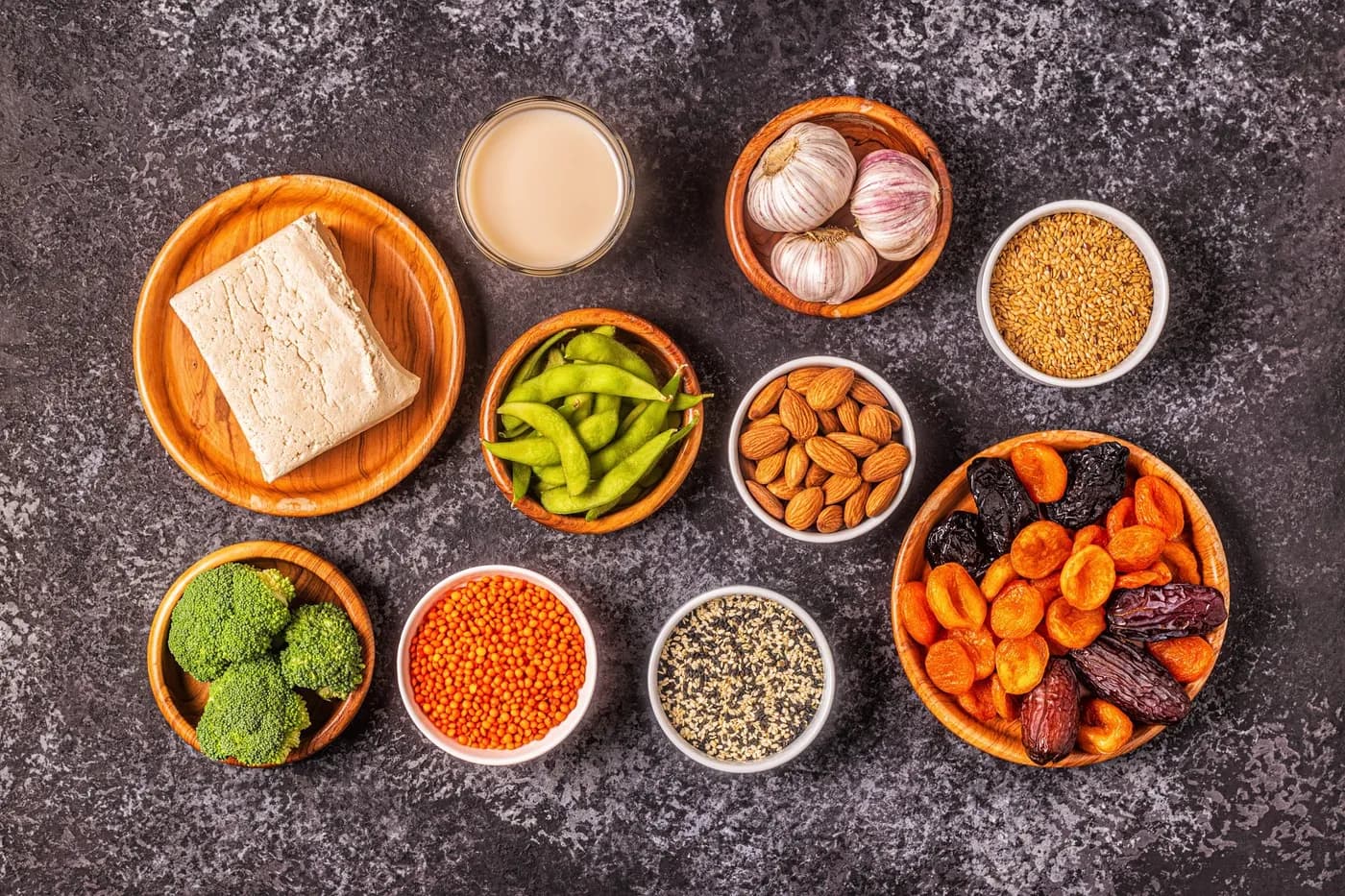
- Dal, rajma, chana and other pulses.
- Tofu, soy chunks and unsweetened soy milk.
- Milk, curd and paneer.
- Eggs, if you eat them.
- Peanuts, nuts and seeds.
- Besan and sprouts.
You do not need a special hair-protein powder. A varied day of normal meals can meet needs for most people.
Iron-rich vegetarian foods
Iron helps red blood cells carry oxygen. Low iron stores are one possible cause of shedding, especially with heavy periods, pregnancy, restricted diets or blood loss.
- Lentils, chickpeas, rajma and soybeans.
- Sesame and pumpkin seeds.
- Leafy greens.
- Iron-fortified cereals or flour.
- Dried fruit in small portions.
Plant iron is absorbed less easily than iron from meat. Add vitamin C from amla, guava, lemon, orange, tomato or capsicum to the same meal.
Do not start high-dose iron just for hair. Too much can be harmful, and blood tests help show whether you need it. Dermatologists recommend supplements only when testing finds a deficiency. (2)
Vitamin B12
B12 supports red blood cells and nerves. Dairy, eggs and fortified foods provide it. Vegans need a dependable fortified food or supplement.
If you’re also exploring Vegetarian protein, it’s worth reading alongside this.
B12 deficiency can exist without obvious symptoms and may damage nerves. Get medical advice for testing and the right dose rather than relying on spirulina or unfortified fermented foods.
Zinc
Zinc supports cell growth and tissue repair. Vegetarian sources include beans, chickpeas, lentils, seeds, nuts, dairy and whole grains.
High-dose zinc can cause nausea and interfere with copper. Use a supplement only when a clinician identifies a reason.
Biotin: the popular hair vitamin
Biotin deficiency can cause thinning hair, but true deficiency is rare. NIH says there is little scientific evidence that high-dose biotin improves hair in people who already get enough. (3)
Biotin is present in nuts, seeds, sweet potato, spinach, broccoli, eggs and other foods. A varied diet usually provides enough.
High-dose biotin can produce false laboratory results, including some thyroid and heart tests. Tell your doctor and the lab if you take it. (3)
Vitamin D and other nutrients
Low vitamin D may be linked with some hair conditions, but supplements are not a general hair-growth treatment. Testing and treatment should match your health.
Omega-3 fats, vitamin C and other nutrients support overall health. No single food has been proven to make normal hair grow faster.
A simple hair-supporting meal pattern
- Breakfast: besan chilla with curd, or oats with milk and seeds.
- Lunch: dal or rajma, roti or rice, greens and lemon.
- Snack: guava with roasted chana or nuts.
- Dinner: tofu or paneer with vegetables and a whole grain.
- Vegan plan: add fortified B12 and soy foods.
Eat enough total food. Crash diets and rapid weight loss can trigger shedding weeks or months later.
For more vegetarian nutrition planning, read Habuild’s Diet and Nutrition guide.
Hair supplement safety
Many hair gummies contain high doses of biotin, vitamin A, selenium or zinc. More is not better. AAD warns that excess selenium, vitamin A and vitamin E have been linked with hair loss. (1)
Supplements can also interact with medicines or hide the real cause. Take the pack to your dermatologist or dietitian before using it.
When to see a dermatologist
- Sudden or heavy shedding.
- Round bald patches.
- Scalp pain, pus, scaling or severe itching.
- A shiny or scarred-looking scalp.
- Hair loss with fatigue, weight change or irregular periods.
- Loss of eyebrows or body hair.
Early assessment matters because some causes can permanently damage follicles. A clinician may examine the scalp and check blood counts, iron, thyroid, B12 or other tests.
Frequently Asked Questions
Related Articles
Meditation for Hair Growth: What the Science Actually Says
Meditation for hair growth doesn't stimulate follicles directly — its role is calming the chronic stress that often makes hair loss worse. See what the science actually says, with Habuild's guided sessions.
Mudra for Hair Growth (Prithvi Mudra): Steps, Benefits and Precautions
Activating the earth element stimulates the Kapha dosha associated with growth, improving scalp circulation and supporting hair thickness over 4-8 weeks.

Hair Growth Kaise Badhaye – Baalon ko Ghana Banane ke Upay
Hair growth kaise badhaye? Exercise, yoga aur sahi dincharya se baalon ki growth badhayein. Habuild ke saath 14-day free trial mein shuru karein.