
Function of Carbohydrates: Energy, Fibre and Everyday Meals
Carbohydrates help fuel everyday life, while fibre supports digestion. Learn how food quality, portions and the rest of the meal shape their role.

Key Takeaways
- Carbohydrates are the body's main everyday fuel.
- Sugars, starches and fibre behave differently.
- Whole foods bring fibre and nutrients with the carbs.
- Carbs alone do not cause weight gain.
Roti, rice and potatoes are often the first foods blamed when someone wants to eat better. Yet carbohydrate is also present in dal, fruit, milk and many vegetables. Removing every carbohydrate food would remove a large part of an ordinary, varied diet.
The main function of digestible carbohydrate is to provide energy. Fibre, another type of carbohydrate, has different roles in digestion and gut health. Understanding both makes it easier to choose a meal than sorting every food into good carbs and bad carbs.
Fuel for your day
During digestion, many carbohydrates are broken down into simple sugars, including glucose. Glucose travels in the blood and can be used by cells for energy. Your muscles use it during movement, and your brain normally relies heavily on it.
Carbohydrate provides about four calories per gram. That number describes energy, not the overall quality of a food. A pulse and a sugary drink can both contain carbohydrate while contributing very different amounts of fibre, protein and other nutrients.
Some energy is stored for later
Your body stores glucose in a form called glycogen, mainly in muscles and the liver. Muscle glycogen helps fuel activity, while liver glycogen helps maintain blood glucose between meals.
Glycogen is stored with water. When someone sharply reduces carbohydrate, an early drop on the scale may partly reflect less glycogen and water rather than an equivalent loss of body fat. Returning to a usual intake can bring some of that water weight back.
Sugars, starches and fibre are different
Sugars occur naturally in foods such as fruit and milk and are also added to drinks, sweets and many packaged foods. Starch is found in foods such as rice, wheat, potatoes and pulses.
Fibre is different because it is not digested and absorbed in the same way as ordinary starch or sugar. Some fibre helps add bulk to stool, while some is fermented by gut microbes. Different foods provide different mixtures.
This means total carbohydrate is a broad category. The phrase low sugar does not necessarily mean low carbohydrate, and a food containing natural sugar is not automatically nutritionally equivalent to a sweetened soft drink.
Fibre supports more than regularity
Fibre-rich foods can help keep bowel movements comfortable and contribute to fullness. Certain soluble fibres, including beta-glucan in oats and barley, can also help lower LDL cholesterol when enough is eaten regularly.
Pulses, whole grains, vegetables, fruit, nuts and seeds bring fibre in familiar forms. You do not need to rely on a special breakfast cereal or powder to include it.
If you usually eat little fibre, increase it gradually. A sudden large serving of beans or bran can cause discomfort. Drinking normally and rotating foods is more useful than trying to obtain the whole day’s fibre from one concentrated ingredient.
Why the whole food matters
An apple contains water, fibre and a structure that takes time to chew. Apple juice can deliver carbohydrate quickly with less fibre. The fruit and the drink share an ingredient without being identical choices.
Similarly, whole-wheat atta and maida differ because refining changes the grain’s composition. A whole-grain food can contribute more fibre, although the final recipe still matters. A whole-wheat biscuit can also contain considerable sugar and fat.
Build a meal that keeps you going
Carbohydrate foods do not need to stand alone. Pair a staple with a protein food and vegetables, then adjust the amount to appetite and activity.
Consider these combinations:
- Rice with rajma and a vegetable side.
- Roti with paneer or tofu and sabzi.
- Dalia cooked with moong dal and vegetables.
- Oats with curd, fruit and a few nuts.
Dal and rajma contribute carbohydrate as well as protein, which is normal. A food does not have to belong to only one nutrient group. Our guide to protein-rich vegetarian foods helps make the protein part of the meal more substantial.
Do carbohydrates cause weight gain?
Body weight is influenced by overall energy intake, activity and many other factors. Carbohydrate is not uniquely fattening. Large portions of energy-dense foods can make it easier to exceed needs, whatever the nutrient mix.
Cutting back on sugary drinks or frequent bakery snacks can help without removing rice or fruit. Equally, replacing a grain with large amounts of oil, cheese or nuts may not reduce the energy in a meal.
A plan that leaves you constantly hungry or unable to enjoy ordinary family food may be hard to sustain. Keep useful staples and change the portions and additions that matter in your routine.
What changes with diabetes?
Digestible carbohydrate affects blood glucose, so the amount and distribution can matter for people with diabetes. The response also depends on the food, preparation, medication and the rest of the meal.
That does not create a universal rule to avoid all carbohydrate. Whole grains, pulses and fruit can often fit into an individual plan. Someone using insulin may need specific carbohydrate guidance, which is different from general advice for everyone.
Do not change medicines or skip meals abruptly to compensate for eating rice. A consistent plan is more useful than alternating strict restriction with large, unplanned meals.
Choose better fuel, without making food a test
Start by keeping a useful carbohydrate source in meals and making room for fibre. Add a pulse dish, choose whole fruit more often than juice or replace one refined snack with a more substantial option.
You do not need a perfect ratio at every sitting. The function of carbohydrates is to help fuel life; the food choices around them determine how well the whole diet supports you.
Editorial sources
Frequently Asked Questions
Related Articles
Banana calories and carbohydrates: a practical guide
Understand banana calories and carbs by size, plus potassium, portions, blood sugar tips and easy balanced snack ideas for every day.

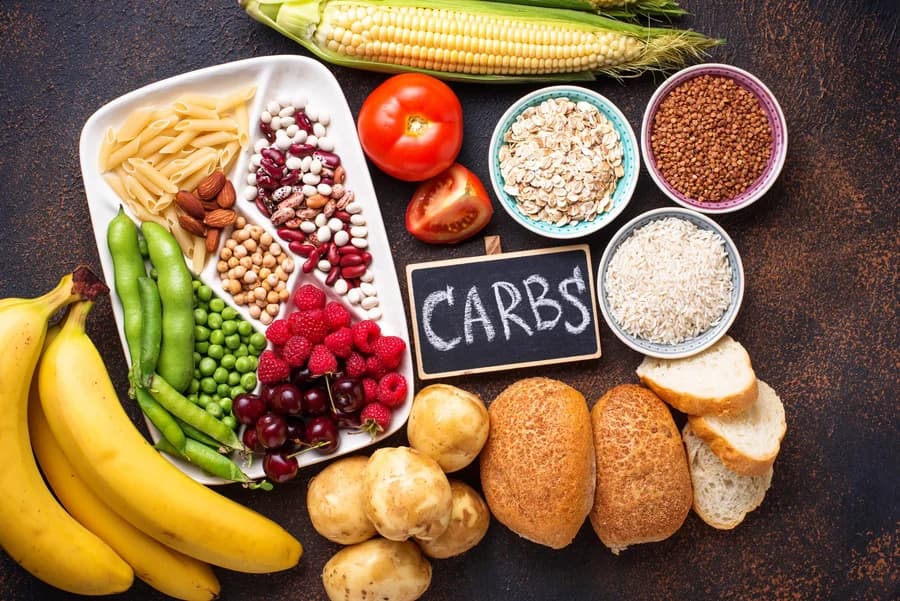
Complex Carbohydrates: Starch, Fibre and Smarter Everyday Choices
What makes a carbohydrate complex, why refined starch differs from whole grains and pulses, and how to choose and portion them in Indian meals.

Muscles and carbs: why strength helps energy use
Strength training changes how your body uses carbs, not just how it looks. See the simple connection between muscle and energy use.

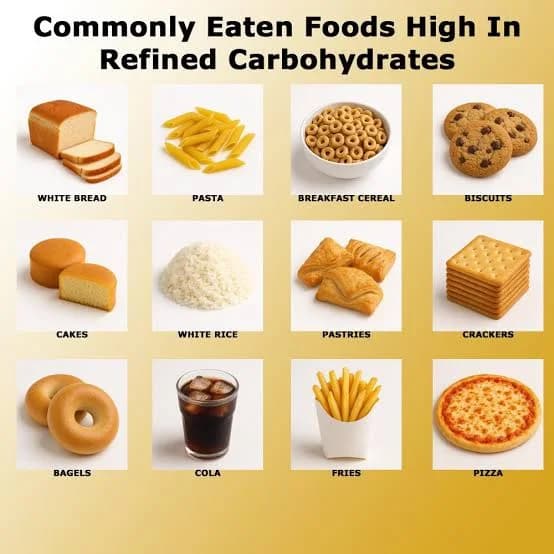
Refined Carbs: What to Change Without Giving Up Every Staple
Improve the foods and meals you eat often without treating every carbohydrate or familiar staple as a problem.