Ginger Benefits: Uses and Safety
Ginger may help some types of nausea. Learn what research says, simple culinary uses, common side effects and supplement precautions.

Key Takeaways
- Ginger may help pregnancy-related nausea in some people.
- Evidence for motion sickness and other claims is mixed.
- Food amounts are different from concentrated supplements.
- Ginger benefits can cause heartburn, diarrhoea or medicine interactions.
Ginger benefits adds warmth and flavour and may help some types of nausea. Learn what the evidence says, easy uses and supplement cautions.
What is ginger?
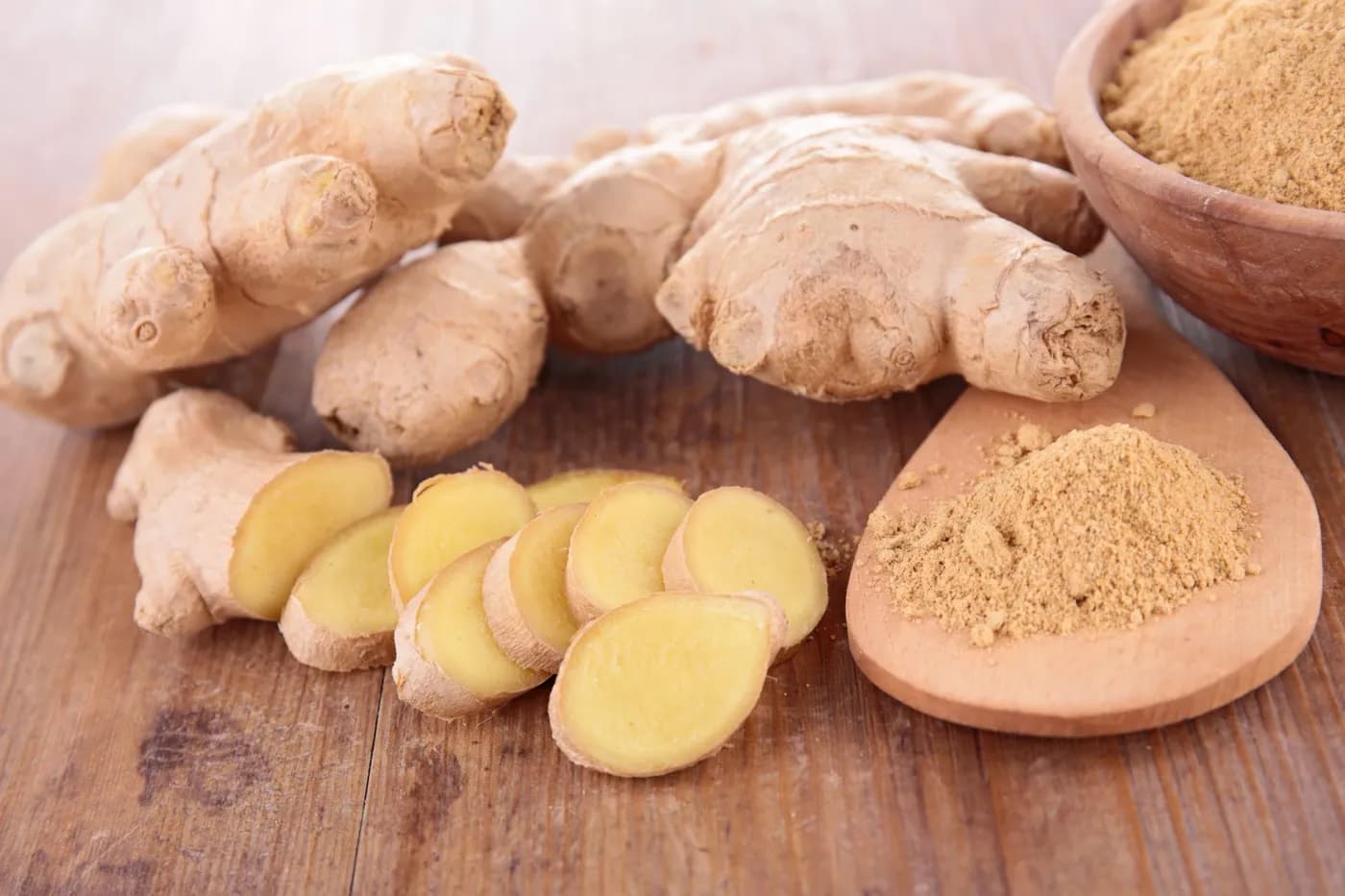
Ginger, Zingiber officinale, is an underground stem used fresh, dried, powdered or as an extract. It is common in tea, curries, chutneys and baked foods.
Its sharp flavour comes from plant compounds including gingerols and shogaols. Processing and heating change the amount and type of these compounds.
What benefits have been studied?
Nausea in pregnancy
Research suggests ginger benefits supplements may help nausea and vomiting related to pregnancy. Many studies test specific products and doses, not ordinary ginger tea. (1)
Pregnant people should still ask their clinician before supplements. Severe vomiting, dehydration, weight loss or inability to keep fluids down needs medical care.
Motion sickness
Most studies have not shown clear benefit for motion sickness. Do not rely on ginger benefits for activities where vomiting or dizziness could create danger. (1)
Chemotherapy or surgery
Evidence is uncertain for nausea related to cancer treatment or surgery. Ginger must not replace prescribed anti-nausea medicine. Tell the care team before using any supplement. (1)
Menstrual cramps
Some studies suggest ginger supplements may reduce cramp severity, but products and study quality vary. Severe or changing period pain needs assessment.
Arthritis and inflammation
Ginger benefits supplements may produce small changes in knee-osteoarthritis symptoms, but research quality is limited. Topical ginger has not been shown to help. (1)
Ginger benefits does not cure arthritis, cancer, infection or chronic inflammation.
Fresh ginger versus supplements
Fresh ginger used in food is a normal ingredient. Capsules, powders and extracts may deliver concentrated amounts and have stronger side effects or interactions.
Do not assume a tea recipe gives the same dose used in a study. Products also vary in quality.
For related reading, see Garlic Benefits: Uses and Safety and Honey Benefits: Uses and Safety.
Easy ways to use ginger benefits
- Add grated ginger to dal or vegetable curry.
- Steep a few slices in warm water.
- Mix it into lemon and coriander chutney.
- Add it to tofu or paneer stir-fry.
- Use dried ginger in oats or porridge.
- Add a small amount to chaas.
Sweet ginger benefits tea can contain a lot of sugar or honey. The health value depends on the full drink.
For more simple cooking habits, read Habuild’s Diet and Nutrition guide.
How much ginger is sensible?
There is no universal daily dose for food use. Start with a small culinary amount and adjust to taste and digestion.
Follow a clinician or product label for supplements. Do not stack capsules, teas, extracts and candies without counting the total.
Side effects and interactions
Ginger benefits can cause abdominal discomfort, heartburn, diarrhoea and mouth or throat irritation. Raw or concentrated forms may be harder to tolerate. (1)
Herbal products can interact with medicines. Ask before supplements if you take anticoagulants, antiplatelet medicines, diabetes drugs or blood-pressure medicines.
Use extra caution before surgery, during pregnancy or breastfeeding, and with gallbladder disease.
Seek urgent help for breathing trouble, throat swelling, fainting, black stools, vomiting blood or severe dehydration.
A simple ginger habit
Use ginger in two familiar savoury meals this week. Keep the amount small and avoid adding extra sugar.
If it worsens reflux or stomach symptoms, reduce it or stop. A healthy habit should feel comfortable.
Frequently Asked Questions
Related Articles
Baking Soda Uses: Health Claims and Safety
Understand safe baking soda uses, why home-remedy doses can be dangerous, sodium concerns and when to contact Poison Control.


Aak (Madar): Ayurvedic Uses, Safety Notes & Properties
Explore Aak (Madar) in Ayurveda, including traditional uses, properties, preparation guidance, side effects and precautions.