
GM Diet Plan: The 7-Day Rules, Risks and Better Alternatives
What the 7-day GM diet involves, why quick scale drops are mostly water, its nutrition risks and a balanced Indian approach that lasts.

Key Takeaways
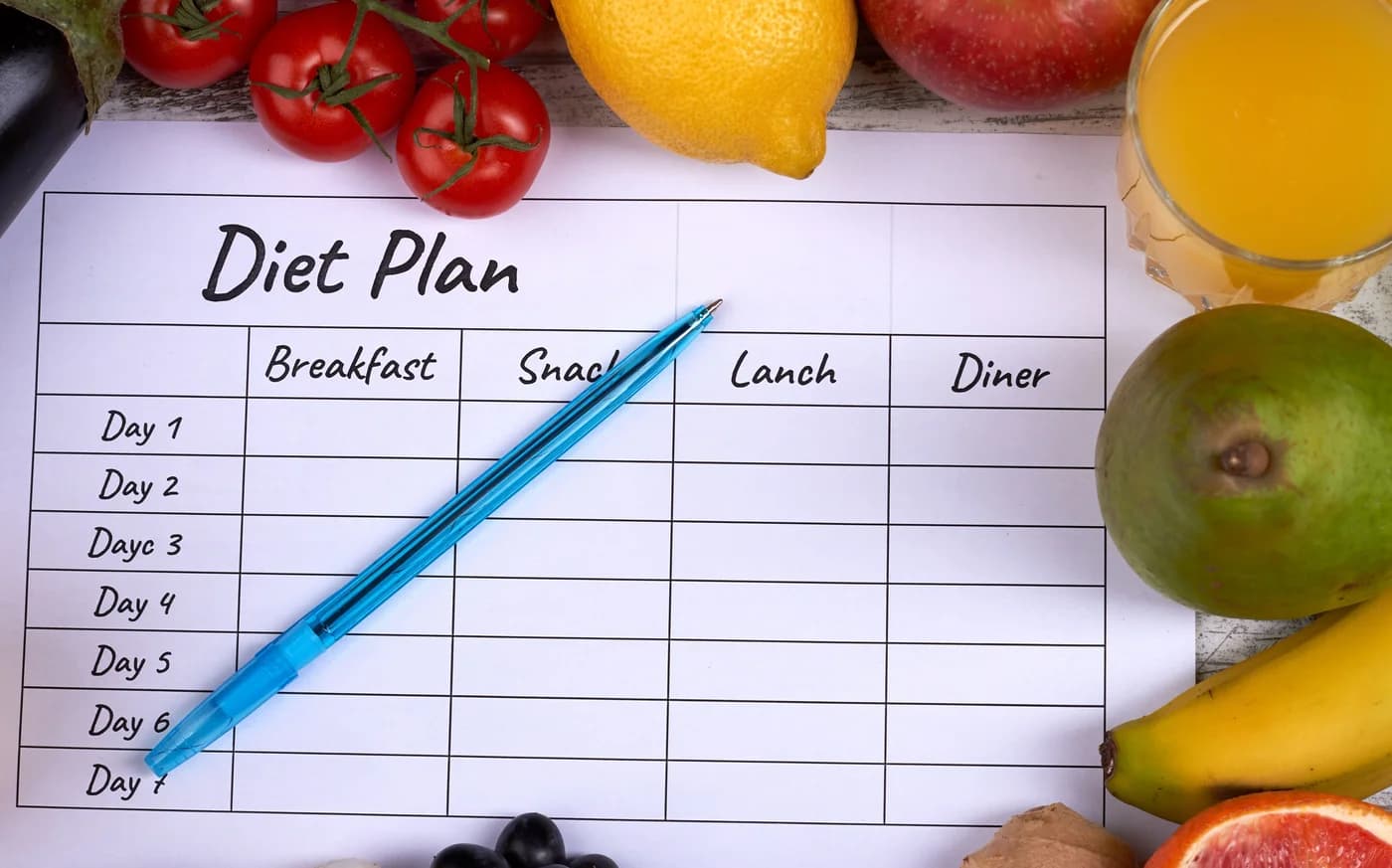
- The GM diet assigns one food group per day for 7 days; no clinical trial supports it.
- Early scale drops are mostly water and stored carbohydrate, and usually return.
- Fruit-only and vegetable-only days are low in protein and can leave you tired and dizzy.
- NIDDK suggests aiming for 5 to 10% of body weight over 6 months, not a 7-day reset.
- People on diabetes medicines, pregnant women and teens should avoid crash plans.
The GM diet is a restrictive seven-day plan that gives each day its own food group and promises rapid weight loss. Despite the popular story, there is no reliable evidence that General Motors created or tested it, and no clinical trial supports its day-by-day order. Any quick drop on the scale is likely to be mostly water and stored carbohydrate rather than body fat.
What the 7-day plan usually looks like
Versions circulating online differ, but most follow a pattern like this:
- Day 1: fruit only, usually excluding bananas
- Day 2: vegetables only
- Day 3: fruit and vegetables
- Day 4: bananas and milk
- Days 5 and 6: a protein food (paneer, sprouts or meat in some versions) with tomatoes or vegetables
- Day 7: rice, vegetables and fruit juice
Many versions also include a large pot of "fat-burning" vegetable soup. No single food or soup burns fat. The appeal lies in clear rules and a short deadline, which also make the plan hard to fit around work, family meals and social events.
Why the scale drops so quickly
When you sharply cut food and carbohydrate, the body uses its glycogen stores, and the water stored with that glycogen is released. Less food in the gut also lowers the number. Much of this returns when you go back to usual meals. That is not failure; it simply means a one-week scale reading says little about fat loss.
Nutrition risks of the GM diet
- Low protein: fruit-only and vegetable-only days provide very little, which does not support muscle.
- Low energy: many people feel tired, dizzy, irritable or headachy, especially if they exercise.
- Missing nutrients: a week of narrow food groups can fall short on calcium, iron and healthy fats.
- Unhelpful habits: rigid rules can increase guilt around normal eating and set up a cycle of restriction and overeating.
Who should not try it
People taking insulin or other glucose-lowering medicines can develop low blood sugar when intake changes suddenly. Pregnant or breastfeeding women, children and teenagers, people with kidney disease and anyone with a history of disordered eating should avoid crash plans and get individual advice. The NHS also advises speaking to a doctor before changing your diet if you have a medical condition.
What safe weight loss looks like
The NIDDK suggests an initial goal of losing 5 to 10% of your starting weight over about six months, with a reduced-calorie eating plan you can sustain, regular physical activity working up to 150 minutes or more a week, and a plan for maintaining the loss. It also advises caution with programmes that promise dramatic results in days or rely on before-and-after photos.
A balanced Indian alternative
Start with meals you already enjoy and adjust them:
- Breakfast: besan chilla with curd, or vegetable poha with a handful of peanuts
- Lunch: dal or chana, a large serving of sabzi and a measured portion of roti or rice
- Snack: fruit with roasted chana, or buttermilk
- Dinner: paneer or tofu with vegetables and one or two rotis
Fibre from vegetables, pulses and whole grains helps keep you full; our guide to fibre for weight loss explains how. For a structured version, see our vegetarian weight loss diet plan. A dietitian can help set a safe calorie target if weight loss is right for you.
What to track instead of a one-week number
Notice energy, hunger, sleep, strength and how often you can repeat a habit. If you weigh yourself, watch the trend over several weeks rather than a single morning. Walking and suitable strength exercise support health whether or not the scale moves quickly. A routine that survives weekends and festivals is more useful than any seven-day reset.
If you have already tried the GM diet
There is no need to make up for it with another harsh plan. Return to regular meals and fluids. If you feel dizzy, weak or unwell, seek medical advice. If dieting has started to feel stressful or compulsive, talk to a qualified professional.
Editorial sources
Frequently Asked Questions
Related Articles
Fat Loss Diet Plan: A Simple, Sustainable Guide to Eating Well
A good fat loss diet plan isn’t about eating less of everything — it’s about eating the right things consistently. See a simple, no-gimmicks breakdown of.

Vegetarian Weight Loss Diet Plan: Eating Well on a Plant-Based Plate
A vegetarian weight loss plan works on the same energy-balance principle as any other, but needs extra attention to protein and variety. See how to get.
Fibre for weight loss: how vegetables keep you full
Fibre-rich vegetables add bulk and slow digestion, which is why they keep you full longer. See how to use that for weight loss.
Balanced Diet Chart for a Week: A Practical Example for Indian Households
A balanced diet chart is easiest to understand as a template, not a timetable — a way of thinking about protein, fibre, carbs, and fat across your meals..