
Guar Gum: Why It Is in Food and When to Be Careful
Guar gum is a soluble fibre from guar beans used to thicken sauces, ice cream and gluten-free bakes. Here is when it matters and when it does not.
Key Takeaways
- Guar gum is a soluble fibre from guar beans used in tiny amounts to thicken foods.
- Its presence on a label says little about whether the whole product is healthy.
- Concentrated guar supplements can cause gas, bloating, cramps or loose stools.
- Never swallow guar powder dry: it swells and can cause choking or blockage.
- Fibre supplements can slow medicine absorption; ask about spacing doses.
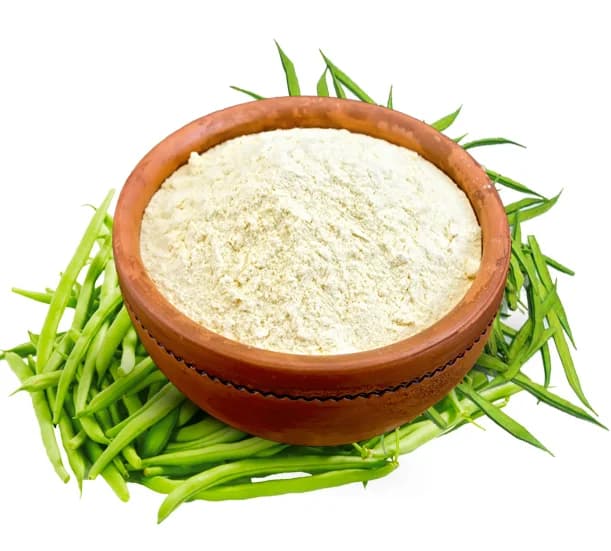
Guar gum is a soluble fibre made from guar beans. Food manufacturers use tiny amounts to thicken and stabilise products such as sauces, ice cream, dairy desserts and gluten-free baked goods. Concentrated guar fibre supplements are a different matter and need more care.
Why it appears on labels
Guar gum helps water and fat stay mixed and gives packaged foods a smoother texture. The small amounts used in food are generally considered safe. Its presence does not make a product healthy or unhealthy; the rest of the ingredient list still matters.
As a fibre, guar gum absorbs water and swells. That property is useful in food and may also affect fullness, cholesterol or bowel movements, but concentrated supplements are very different from the small quantity in a sauce or yoghurt. Our guide to soluble and insoluble fibre explains how gel-forming fibres behave.
Reading the ingredient in context
Guar gum often appears near the end of an ingredient list because only a small amount is needed. Its position does not tell you whether the overall product is nutritious. Look first at what the food mainly is, then consider sugar, sodium, fat, protein and the portion you eat.
Terms such as gum or stabiliser can sound alarming, but function matters. The ingredient may keep ice crystals small, stop a dressing from separating or give gluten-free dough structure. That technological role is different from taking a concentrated fibre supplement for a health effect.
Be wary of social-media lists that label every thickener toxic without considering dose or evidence. At the same time, personal symptoms should not be dismissed. When eating out, you usually do not need to investigate whether a little guar gum was used; focus on known allergies and clear, repeated reactions.
Guar gum in gluten-free cooking
Gluten normally gives bread and dough structure. In gluten-free recipes, a small amount of guar gum can help hold moisture and prevent crumbling. More is not better: too much can create a gummy texture and digestive discomfort. Follow a tested recipe rather than adding it by eye. For wider gluten-free choices, see our gluten-free foods guide.
It may appear alongside xanthan gum, locust bean gum or other thickeners. These ingredients have different properties, so they cannot always be swapped in equal amounts.
What research on cholesterol, blood sugar and fullness means
Because guar fibre forms a gel, studies have examined whether it can modestly affect cholesterol, blood glucose or appetite. Partially hydrolysed guar gum, a less viscous form, has also been studied for bowel regularity and in clinical nutrition. Results depend on the specific preparation and dose. A supplement is not a replacement for a balanced diet, movement or prescribed medicine, and dramatic marketing claims go beyond the evidence.
People taking diabetes medicine should be careful with concentrated fibre products, because meal absorption and glucose patterns may change. Monitor as advised and discuss the product with the treating clinician.
If you use a guar fibre supplement
Follow the amount and mixing instructions on the pack. Stir the powder into enough water and drink it as directed. Never swallow guar gum powder dry: it expands when wet and can swell before reaching the stomach, creating a choking or blockage risk.
Start with a small amount if the label allows it. Too much fibre at once may cause gas, bloating, cramps or diarrhoea. Because fibre can slow absorption, separate the supplement from medicines when a clinician or pharmacist advises it.
Stop and seek medical help if you develop severe stomach pain, vomiting, or cannot pass stool or gas. People with swallowing difficulty, bowel narrowing or unexplained abdominal symptoms should not experiment with it. Whole-food fibre from dal, vegetables and grains, or a familiar option such as isabgol, may be simpler; see our list of fibre-rich foods.
What to do if a food causes bloating
Guar gum is only one possible cause. Milk, sweeteners, other added fibres or simply a large serving can also upset your stomach. Note which food caused symptoms and how much you ate, then compare the labels of problem foods before blaming one ingredient.
You do not need to avoid every food with guar gum because one product disagreed with you. If bloating keeps returning, or you find yourself cutting out many foods, speak with a dietitian or clinician.
Persistent constipation, bleeding, vomiting, severe pain or unintended weight loss needs medical care. Adding more fibre is not the right answer to every digestive problem.
Editorial sources
Frequently Asked Questions
Related Articles
Soluble and insoluble fibre: simple digestion guide
Soluble and insoluble fibre do different jobs for digestion — one feeds gut bacteria, the other adds bulk to stool. See the simple difference.


Fibre rich foods: what fibre does for your gut
Fibre does more than aid digestion — it feeds gut bacteria and helps keep blood sugar steady. See what fibre-rich foods actually do for your gut.

Isabgol: Benefits, Uses & Ayurvedic Properties
Isabgol (Plantago ovata) is Ayurveda’s premier bulk-forming laxative, prized for relieving constipation, regulating bowel function, managing cholesterol.

Gluten Free Foods: A Practical Guide for Celiac Disease and Sensitivity
Indian kitchens already have a long list of naturally gluten-free options — rice, millets, pulses, and more — that can form a complete diet without.