
Gymnema Sylvestre: What Gurmar Can and Cannot Do
A practical guide to gurmar, sugar-craving claims and the limits of current evidence.

Key Takeaways
- Gurmar may briefly change how sweet foods taste.
- It does not cancel the sugar in a meal or cure diabetes.
- There is no universal everyday dose.
- Check with your doctor if you take diabetes medicines.
Gurmar is often introduced as the herb that “destroys sugar”. The name is memorable, but it can create the wrong expectation. Gymnema sylvestre may temporarily change how sweet foods taste, and researchers have investigated its effects on blood glucose. Neither finding means a capsule cancels the sugar in a meal or cures diabetes. Understanding that difference is the most useful place to begin.
What is gurmar?
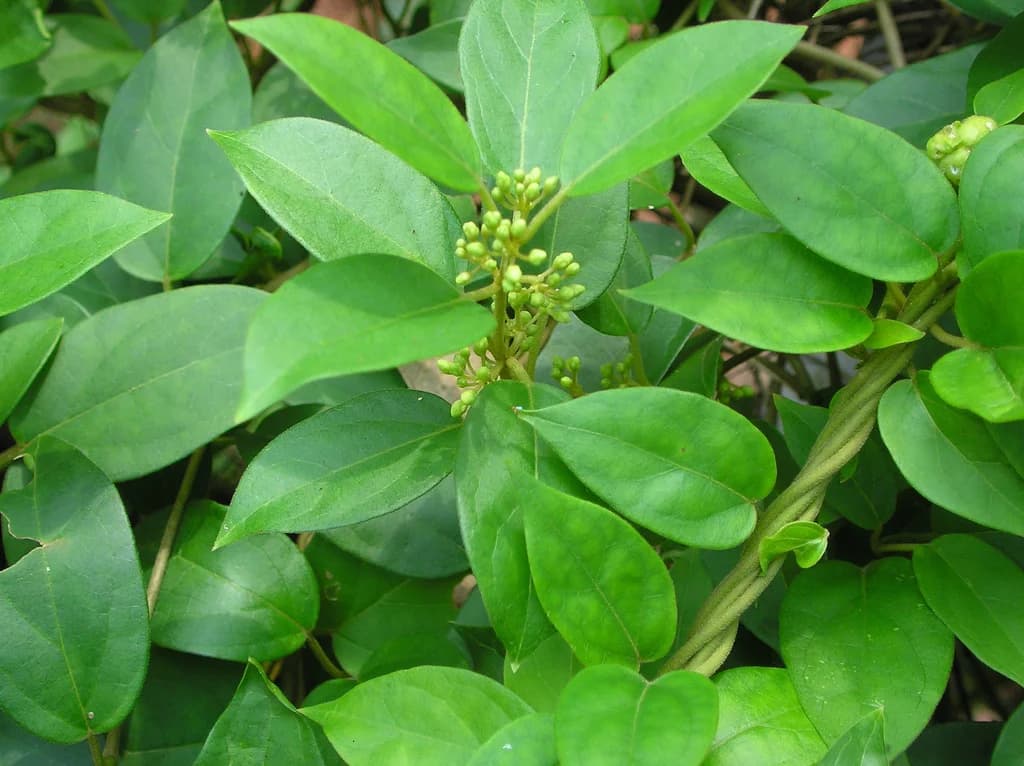
Gymnema sylvestre is a climbing plant used in traditional medicine. Its leaves contain compounds called gymnemic acids. Today, it is sold as leaf powder, tea, capsules and lozenges, often with claims about cravings, weight or blood sugar.
These forms serve different purposes. A lozenge that touches the tongue is not interchangeable with a capsule swallowed whole. A household tea also cannot be assumed to contain the same amount of active compounds as a researched extract.
Treat gurmar as an herbal product with possible biological effects, rather than an ordinary leafy vegetable. There is no nutritional need to add it to dal, smoothies or everyday meals, and a “natural” description does not establish a safe dose.
Why can sweets taste different after it?
Certain Gymnema preparations can temporarily reduce the perception of sweetness. Something that normally tastes pleasantly sweet may seem much less appealing while that effect lasts.
Small human studies have explored whether this helps people eat fewer sweets. A 2025 trial involving 32 adults who described themselves as having a sweet tooth found changes in cravings and sweet-food consumption during short interventions using Gymnema mints.
That is an interesting starting point, but the study does not establish lasting weight loss or diabetes prevention. A change in taste is also different from a change in how much sugar the body absorbs. Chocolate still contains sugar and energy even when it tastes less sweet.
Does it help with diabetes?
Some small studies have reported improvements in glucose measurements with Gymnema extracts. However, the research is not strong enough to recommend it as a replacement for established diabetes treatment. Products, study methods and treatment combinations differ, making simple promises unreliable.
The practical issue is this: adding something that may lower glucose to insulin or another glucose-lowering medicine can make low blood sugar more likely. An impressive-looking result is not automatically a safe result.
Someone with diabetes should not reduce prescribed tablets because they have started gurmar. If glucose readings are repeatedly above the agreed range, the useful next step is a treatment review, rather than adding progressively stronger herbal products.
Cravings need more than a change in taste

Wanting something sweet is not always a problem that needs treatment. Sometimes it follows a long gap between meals; sometimes it is about habit, stress, convenience or simply enjoying dessert.
Before buying a craving supplement, look at the situation in which the craving happens. If you reach for biscuits at 5 pm after a small lunch, a more satisfying afternoon snack may help. Curd with fruit, roasted chana or a small paneer sandwich gives you actual food at the point you need it.
If sweets are tied to an evening routine, try serving a portion on a plate rather than eating from a large box. You can enjoy the food without turning every craving into a test of willpower.
These changes also make it easier to see what you want from a supplement. Less mindless snacking is a clearer goal than “sugar detox”, which has no dependable clinical meaning.
There is no universal everyday dose
A number on a capsule does not tell the whole story. Milligrams of dried leaf, milligrams of extract and a stated percentage of gymnemic acids describe different things. Copying a dose from a study or a friend's bottle can therefore be misleading.
There is no established dose that everyone should take for general wellness. Nor is there a proven schedule for cycling gurmar, taking it before every carbohydrate meal or using it indefinitely to prevent disease.
For most readers, this means there is no missing daily habit to correct. Not taking Gymnema does not leave a nutritional gap. It is reasonable to spend that money on more satisfying meals or support for an existing health concern instead.
The safety points that matter
The main concerns are low blood sugar when combined with diabetes treatment and the limited information about long-term use. Rare reports of liver injury have also been linked to Gymnema products; such reports do not tell us how often this happens.
Unexplained sweating, shaking, confusion or faintness can signal low glucose. Someone who uses diabetes medicine should follow their existing low-glucose plan. Severe confusion, loss of consciousness or inability to swallow safely needs emergency help.
Stop the herbal product and seek care for yellow eyes, dark urine or persistent vomiting. These symptoms deserve assessment rather than reassurance that a “cleanse” is working.
Pregnancy, breastfeeding and childhood are poor settings for casual experimentation because reliable safety information is lacking. A person taking regular glucose-lowering treatment needs a medication-specific discussion before considering gurmar, rather than a general instruction to “use moderately”.
A more useful goal than cancelling sugar
You do not need to remove every sweet food to look after your health. Start with a change you can describe plainly: fewer sweetened drinks, a filling breakfast, or a planned dessert portion.
For instance, gradually reducing sugar in three daily cups of chai addresses a regular source of added sugar without changing the rest of the meal. Keeping fruit available makes another choice convenient. Neither requires a bitter taste or an expensive capsule.
Gurmar remains a subject of research. For everyday decisions, its best-known effect should be understood as a temporary taste effect, with uncertain wider benefits and some meaningful risks.
Editorial sources
Frequently Asked Questions
Related Articles
Can People with Diabetes Eat Dates? Portions and Blood-Sugar Tips
Dates concentrate natural sugars into a small volume. Diabetes does not make them forbidden, but portions need deliberate attention.


7 Yoga Poses for Diabetes: Manage Blood Sugar Naturally
Muscle activation improves glucose uptake, cortisol reduction directly lowers blood sugar, and parasympathetic activation together improve blood glucose

How to Reduce Diabetes: 7 Lifestyle Changes That Lower Blood Sugar and Improve Health
Type 2 diabetes is the only major chronic disease where lifestyle change can sometimes produce remission — normal blood sugar without medication. See the


Exercise for Diabetes: 7 Best Daily Exercises for Sugar Control and Healthier Living
Daily movement reduces blood sugar in the moment, improves insulin sensitivity over weeks, and lowers long-term complications across years, all from the same habit. See 7 best daily exercises.