
Hibiscus Tea: Uses, Preparation and Possible Benefits
Hibiscus tea is a tart red infusion made from dried calyces, commonly Hibiscus sabdariffa. It is naturally caffeine free unless blended with tea leaves.
Key Takeaways
- Hibiscus tea is a tart, caffeine-free red infusion made from dried Hibiscus sabdariffa calyces.
- Steep dried calyces in hot water or cold-brew them in the fridge; serve plain or lightly sweetened.
- Its colour comes from anthocyanins; small studies suggest a modest effect on blood pressure.
- People on blood-pressure medicines, or who are pregnant or breastfeeding, should seek advice first.
Hibiscus tea is a tart red infusion made from dried calyces, commonly Hibiscus sabdariffa. It is naturally caffeine free unless blended with tea leaves. This guide explains what the drink is, how to prepare it and which hibiscus tea benefits the evidence can reasonably support.
What hibiscus tea is
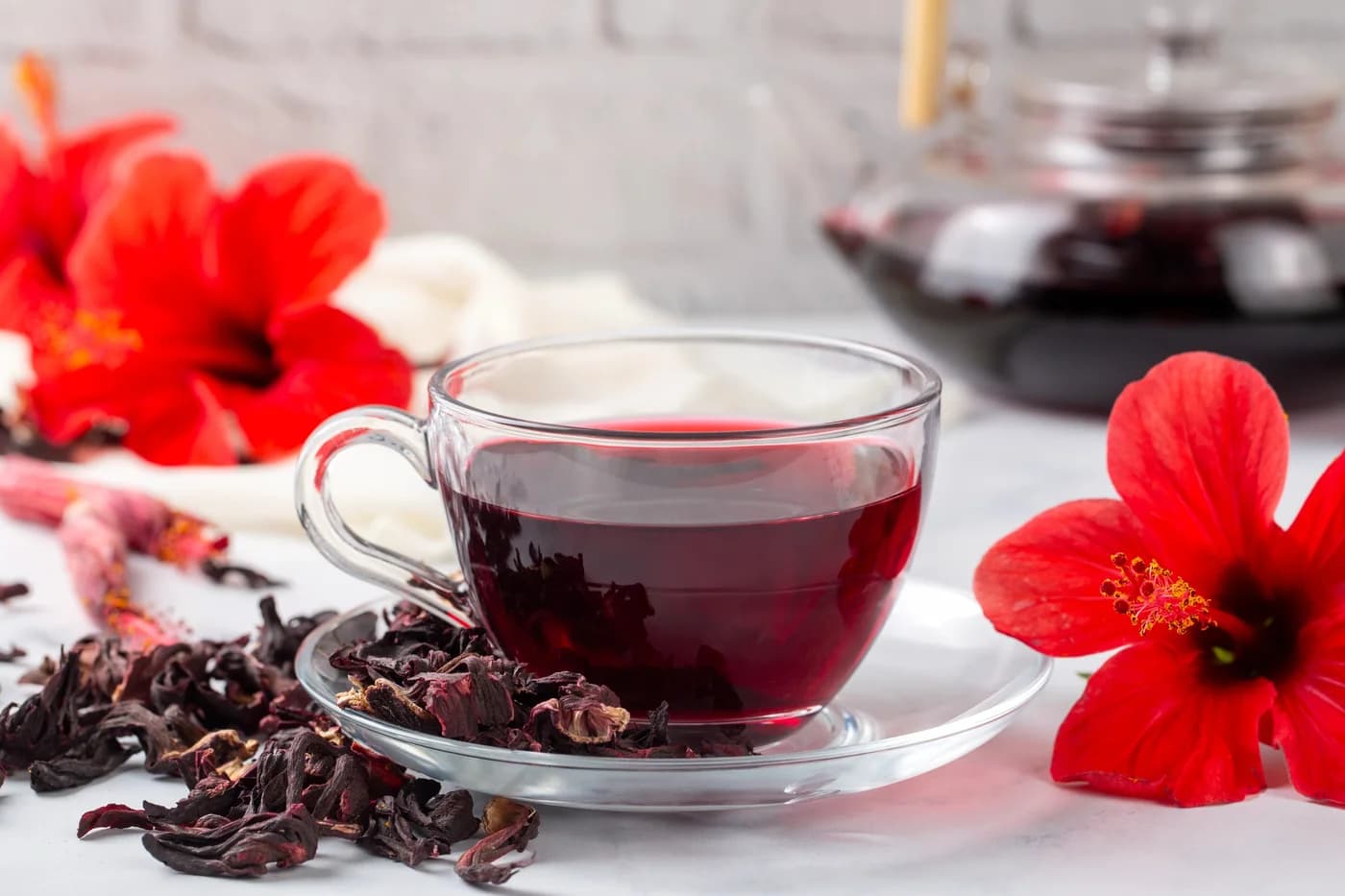
Hibiscus tea is a tart, ruby-coloured drink made by steeping dried hibiscus calyces in hot or cold water. The calyces are the fleshy, cup-like parts that surround the base of the flower, rather than the petals. The drink is naturally caffeine free unless blended with tea leaves or another caffeinated ingredient.
Its sharp flavour works well plain or with ginger, mint or a small amount of sweetener. Research has explored blood-pressure effects, but hibiscus tea should not replace prescribed treatment.
Loose calyces, tea bags and bottled hibiscus
Loose dried hibiscus lets you adjust strength, while tea bags offer convenience. Herbal blends may also contain liquorice, green tea or flavouring, and bottled hibiscus drinks can contain added sugar. Read the ingredient list, because these versions have different taste, caffeine and nutrition profiles. A sweetened bottled drink is a very different choice from a cup brewed at home without sugar.
What gives the tea its colour
The deep red colour comes from anthocyanins, a group of plant pigments also found in foods such as purple cabbage and black grapes. Hibiscus also contains other polyphenols and natural plant acids, which give the brew its cranberry-like sourness. Anthocyanins change shade with acidity, so a squeeze of lemon tends to brighten the colour, while a longer steep makes the tea darker and more sour.
Possible hibiscus tea benefits
The realistic hibiscus tea benefits are modest and depend on how the tea is made and what it replaces:
- A flavourful unsweetened drink. Brewed without sugar, it can replace soft drinks or sweetened juices for people who want flavour without added sugar.
- A source of anthocyanins. These plant compounds show antioxidant activity in laboratory work, although this does not prove a specific health effect in people.
- A possible small effect on blood pressure. Some small human studies suggest hibiscus tea may modestly lower blood pressure. The studies vary in design and preparation, so it should be seen as one part of a healthy routine, not a treatment.
Getting the steeping right
For a hot cup, pour freshly boiled water over the dried calyces or a tea bag, cover and steep for a few minutes, then strain. Taste as you go: a short steep gives a lighter, fruity drink, while a long steep becomes strongly sour. Follow the packet directions for the amount to use.
For a cold brew, place the calyces in cold water and leave the jug in the fridge for several hours before straining. Cold brewing gives a smoother, less astringent taste and makes a refreshing summer drink. Keep cold-brewed tea refrigerated and finish it within a day or two.
Hot, cold and blended versions
Hibiscus pairs well with fresh ginger, cinnamon, mint, lemon or a strip of orange peel. These additions add flavour without relying on sugar. If the tartness is too strong, dilute the brew rather than adding several spoons of sweetener, and add any honey or jaggery in small, measured amounts.
When buying ready-made blends, check for green or black tea, which adds caffeine, and for liquorice, which can raise blood pressure in some people and works against one of the main reasons many people choose hibiscus.
When hibiscus tea needs care
Hibiscus may lower blood pressure, so people already taking blood-pressure medicines should speak to their doctor before drinking it regularly, as the effects could add together. It can also interact with some other medicines, so anyone on regular medication should show the product to a pharmacist or doctor.
Safety during pregnancy and breastfeeding has not been clearly established, so seek medical advice before using it during these times. Stop drinking it and seek advice if you notice dizziness, light-headedness or any other unusual symptom.
Buying and storing hibiscus
Look for dried calyces that are deep red, whole and free from dust, moisture or a musty smell. Choose products with a clear ingredient list and an expiry date. Store dried hibiscus in an airtight container away from light, heat and moisture, and keep bottled drinks as the label directs once opened.
How it fits a balanced routine
Hibiscus tea works best as one of several drinks in the day, with plain water as the main source of fluid. Enjoy it for its flavour and colour, keep it unsweetened or lightly sweetened, and pair it with varied meals, regular activity and any treatment your doctor has advised. Hibiscus tea benefits are most likely when it replaces a sugary drink rather than being added on top of one.
Editorial sources
Frequently Asked Questions
Related Articles
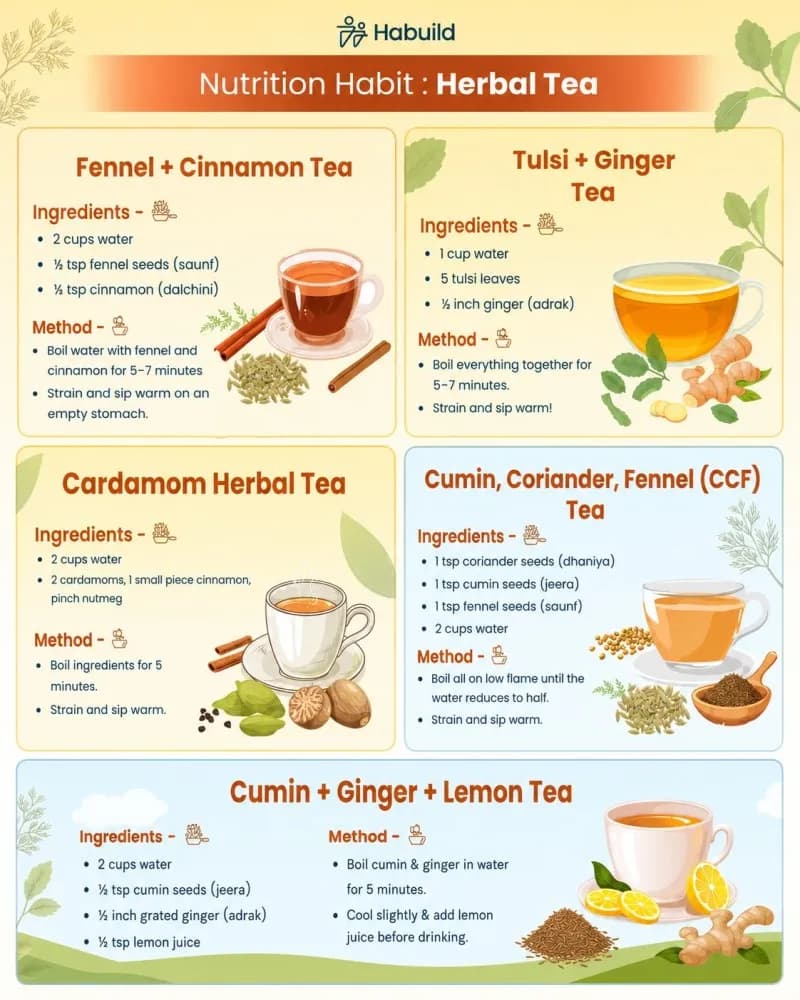
Herbal Tea Recipes: 5 Simple Blends for Daily Routine
These five herbal tea blends use common Indian kitchen ingredients like fennel, cinnamon, tulsi, ginger, and cardamom — light, warm drinks, not medicine..

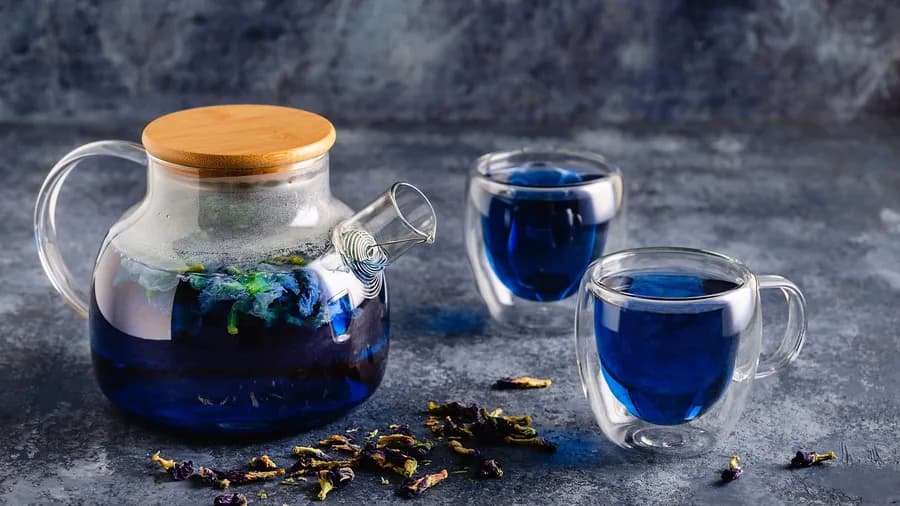
Blue Tea Benefits: Butterfly Pea Flower, Uses and Safety
Blue tea is an infusion of butterfly pea flowers, and its blue anthocyanin pigments change colour when lemon is added. Learn its safety.
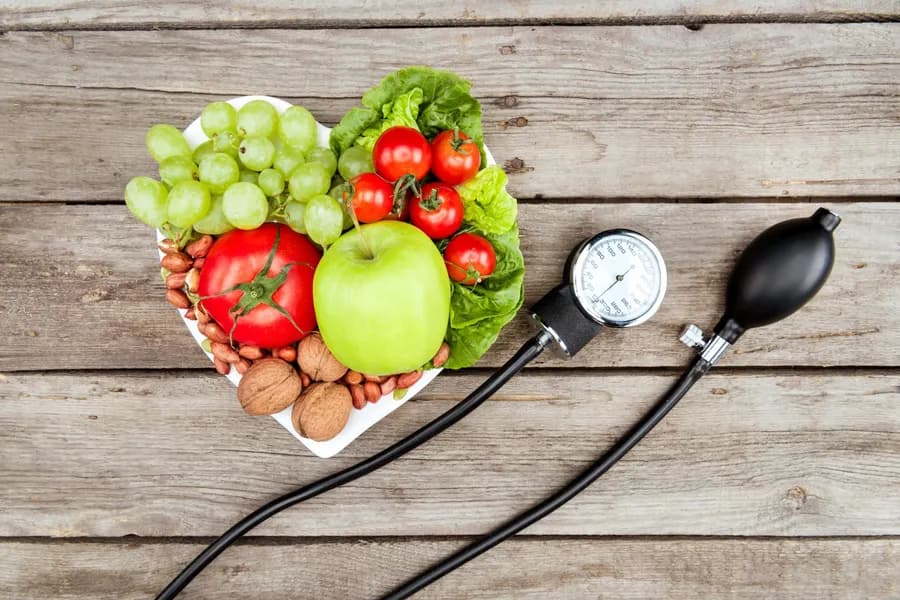
High BP Diet: Foods That Naturally Help Manage Blood Pressure
A high BP diet cuts excess sodium, adds potassium-rich whole foods, and reduces processed items — working alongside medication, not instead of it. See.
