
High-Calorie Foods: How to Use Them for Nourishing Meals
High-calorie foods can help when appetite is small or energy needs rise. Learn how to add nourishment without relying only on sugar or large meals.
Key Takeaways
- Calorie-dense foods pack energy into small portions.
- Choose ones that also bring protein and nutrients.
- Small, frequent meals help with a poor appetite.
- They can still fit in a fat-loss plan.
A spoon of peanut butter and a large bowl of cucumber provide very different amounts of energy. That difference is useful to understand, particularly if you have a small appetite or are trying to gain weight. It does not make one food automatically good and the other bad.
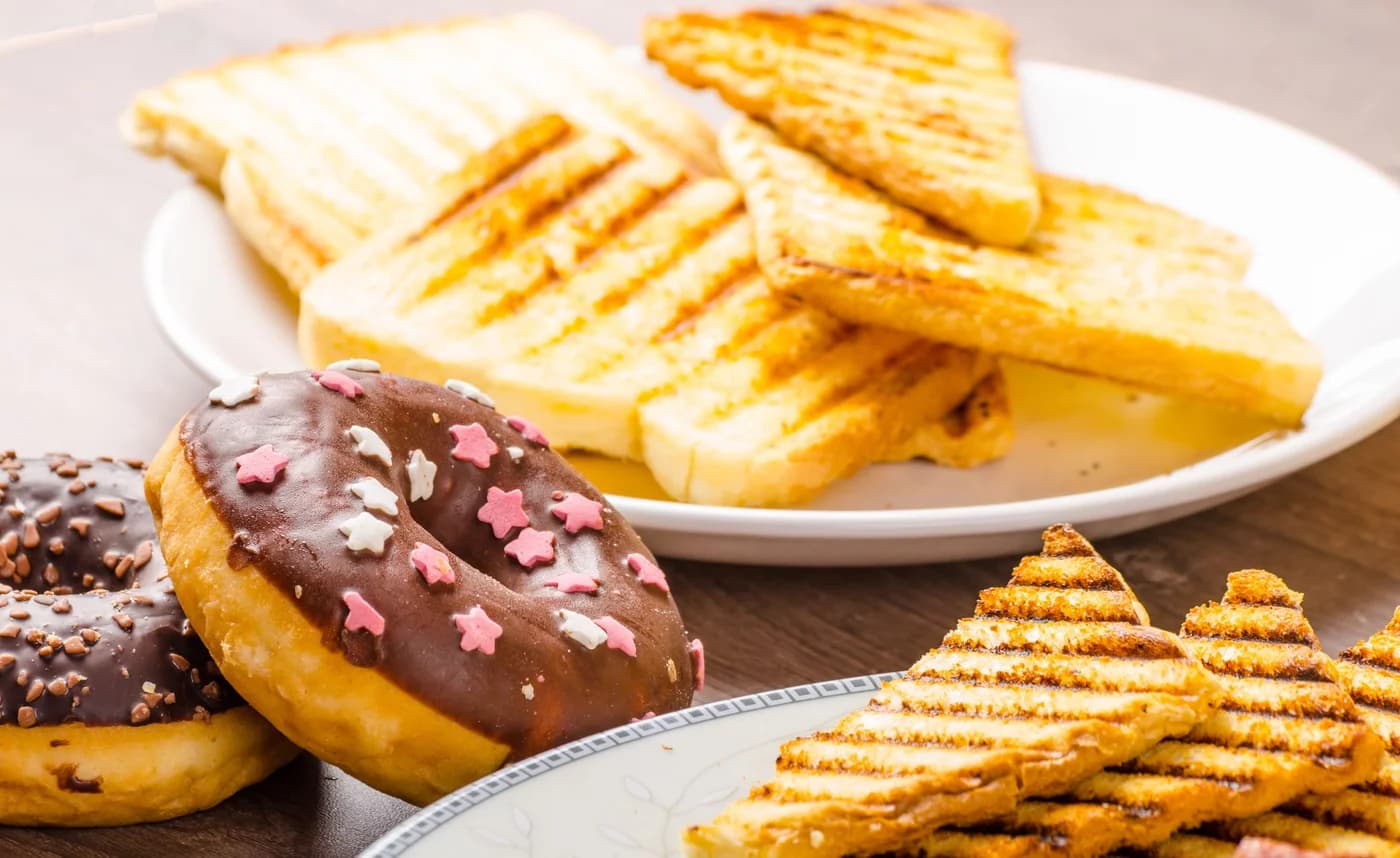
High-calorie foods can include nuts, seeds, oils, paneer and dried fruit as well as sweets and fried snacks. The important questions are what else a food contributes and how it fits your needs. Calories describe energy, rather than the full quality of a meal.
What makes a food calorie-dense?
Energy density describes how much energy a food provides for its weight or volume. Foods containing more fat often provide more energy in a small amount, because fat supplies more calories per gram than carbohydrate or protein.
Water and fibre generally add bulk without contributing the same amount of energy. This is why fresh fruit usually takes up more space than the same fruit after drying, and why a spoonful of oil adds energy without adding much volume.
This difference can work for or against a particular goal. Someone struggling to eat enough may benefit from smaller, richer meals. Someone who feels hungry while trying to reduce intake may prefer more high-volume foods alongside measured amounts of calorie-dense ingredients.
Start with foods that offer more than energy
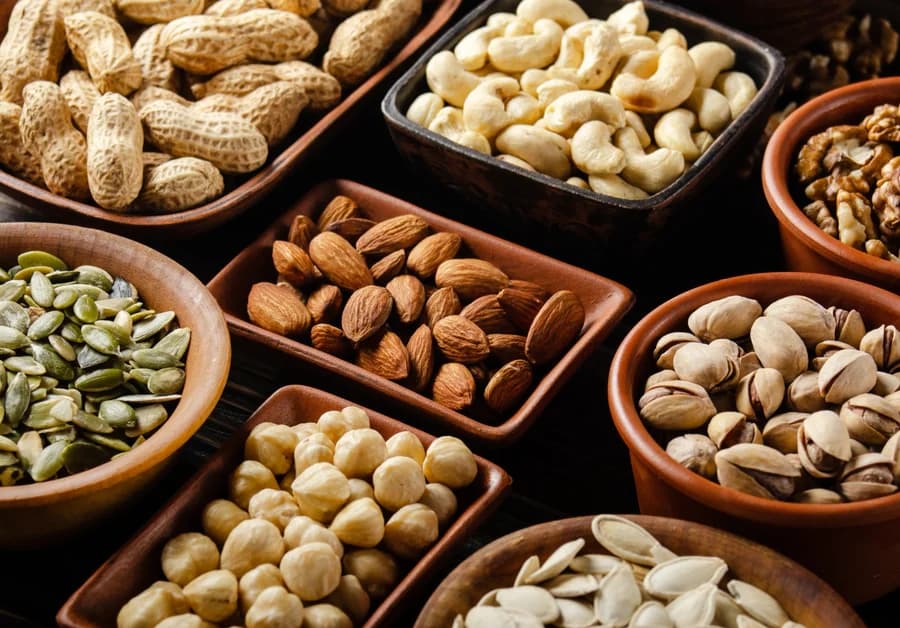
Nuts and seeds provide fats along with some protein and fibre. Nut butters offer a similar option in a softer form. Dairy foods and soy foods can contribute protein, while dried fruit can make a small snack easier to carry.
None of these foods is interchangeable in every respect. Oil provides concentrated energy but little protein. Paneer provides protein, but its fat content depends on the milk and preparation. Dried fruit is compact, but it is not a replacement for every fresh fruit serving.
A useful approach is to combine roles. Add a little oil to a vegetable-and-dal meal, or pair dried fruit with curd and nuts. That builds a meal rather than relying on one high-calorie ingredient to do everything.
If you want to gain weight
Gradual weight gain is usually more manageable than trying to force very large meals. Add a little extra food to meals you already eat, then see whether the routine feels comfortable.
For example, make porridge with milk or a suitable fortified soy drink, add peanut butter to toast, or include paneer or tofu in a vegetable filling. A small bowl of curd with nuts can be easier to manage than another full plate of food.
Protein matters too, especially if the goal includes building strength. Extra ghee alone does not provide the materials needed for muscle. Our guide to diet for strength training explains how meals and training can work together.
When your appetite is small
Three large meals may feel difficult. Smaller meals and a couple of planned snacks can spread food more comfortably across the day. Keep easy options available so that a low-energy afternoon does not become a missed meal.
Try a small paneer sandwich, a banana with curd, or a modest portion of roasted chana with peanuts. If chewing is tiring, softer options such as khichdi enriched with a little oil and served with curd may be easier.
Large drinks just before a meal can leave some people too full to eat. If that happens, have more of your drinks between meals, without neglecting hydration. A nourishing drink can help when needed, but it should not repeatedly displace meals you could otherwise manage.
Familiar meals can provide more energy without becoming enormous
Enriching food means adding useful ingredients to what is already there. Stir milk powder into suitable milk-based dishes if tolerated, add ground nuts to a porridge, or use a little extra oil in dal and vegetables.
Keep the texture and taste appealing. A food that becomes excessively greasy, sweet or thick may be harder to finish. Small additions repeated across meals are often easier than turning one dish into a very rich “weight-gain recipe”.
You can also increase the grain or starchy-food portion when it suits your appetite. Rice, roti, oats and potatoes all contribute energy. A balanced plan does not need to get every additional calorie from fats.
Do you need to avoid these foods for fat loss?
Not necessarily. A small amount of nuts, seeds or oil can fit into a weight-management plan. The issue is that portions can add up quickly when foods are concentrated in energy.
Measure a serving of nut butter with a spoon rather than eating from the jar. Pour cooking oil deliberately rather than repeatedly topping up the pan. These are practical portion habits, not reasons to fear the foods.
Consider what a snack replaces. A small handful of nuts instead of a large packet of fried snacks is a different choice from adding nuts after an already sufficient meal because they are described as healthy. Both nutritional quality and total intake matter.
High calories do not have to mean lots of sugar
Sweet drinks and desserts can add energy, but relying on them may leave little appetite for meals containing protein, fibre and other nutrients. They are not the only route to weight gain.
A homemade shake can be useful when made to suit your needs, but several bananas, large amounts of sweetener and multiple scoops of powder are not automatically better. Start with an ordinary portion and a recipe you can digest comfortably.
Likewise, packaged “mass gainers” are not essential. Food can often do the job, and unexplained difficulty gaining weight should not be answered only with a larger supplement tub.
When weight change needs attention
If you are losing weight without trying, have a persistent poor appetite, struggle to swallow or feel unusually full after very little food, get the cause assessed. Food enrichment can support intake, but it should not hide a developing problem.
People recovering from illness or living with a condition affecting digestion may need a more individual plan. Children also need age-appropriate assessment rather than adult calorie targets.
For everyday use, choose one manageable addition and build from there. The best high-calorie foods are those that help you meet your needs while keeping meals varied, comfortable and enjoyable.
Editorial sources
Frequently Asked Questions
Related Articles
Weight Gain Diet: A Simple, Healthy Plan to Gain Weight
A good weight gain diet means eating more calorie-dense, nutrient-rich food than your body burns, spread across regular meals. See what a healthy plan.


Weight Gainer Powder for Women: When It’s Worth Using
A weight gainer powder is a calorie and protein-dense supplement for when regular meals aren’t enough — not a replacement for food. See when it’s.
A 2000 Calorie Diet Plan: A Flexible Indian Vegetarian Example
See how familiar vegetarian foods can add up to around 2,000 calories, with clear portions and room to adapt the day to your needs.

Calorie Deficit Diet Plan: A Sample Indian Day, Plateaus and Maintenance
Turn a calorie deficit into a plan you can live with: a three-day audit, a sample vegetarian Indian day, weekends, plateaus and maintenance.