
Best Time to Eat Fruit: Morning, Night or With Meals?
There is no magic hour for fruit. Learn how to time it around meals, exercise, diabetes, reflux and medicines without strict rules.
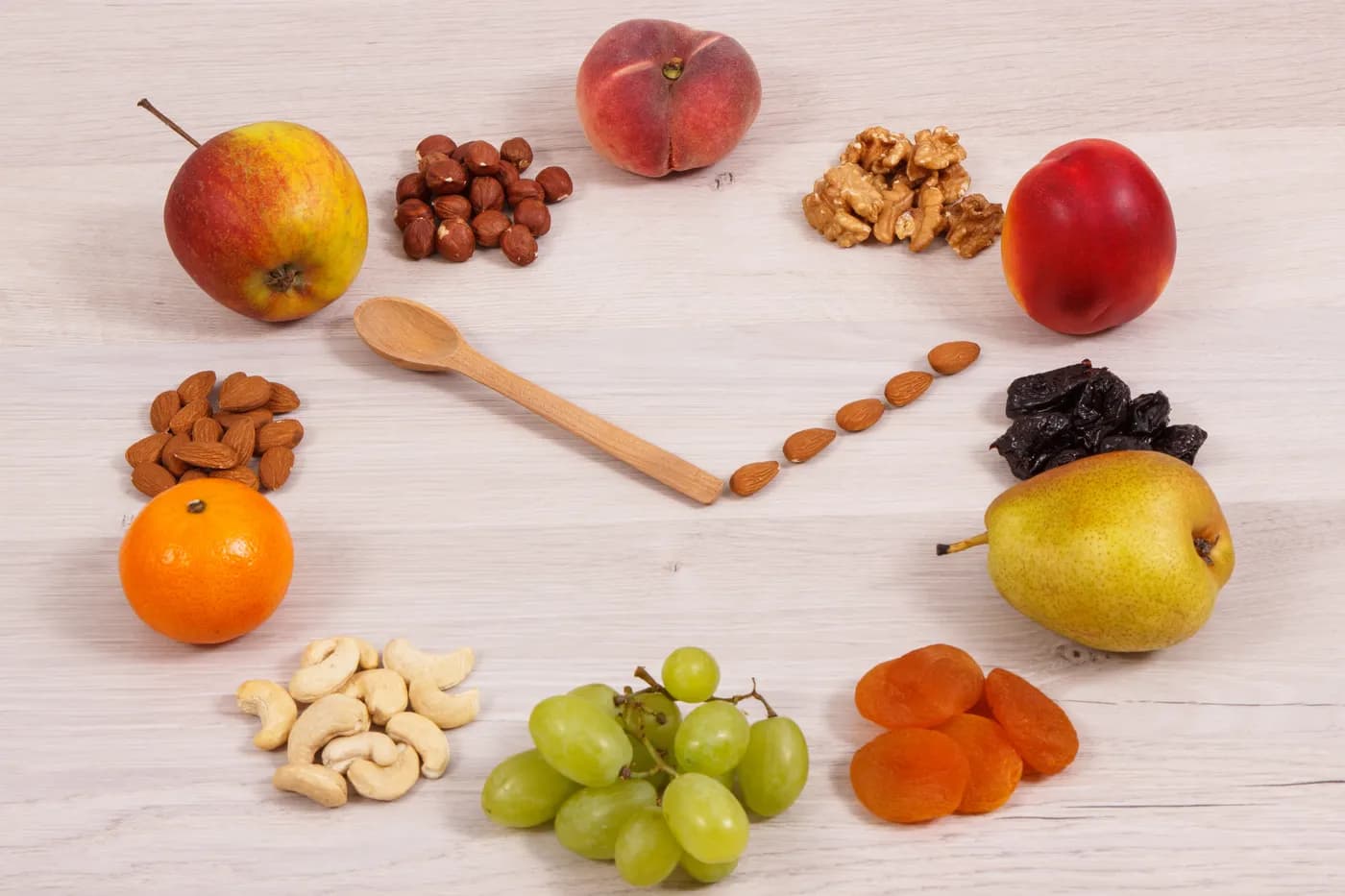
Key Takeaways
- Fruit is equally nutritious in the morning, afternoon or evening.
- Eating fruit on an empty stomach is optional; it digests fine with other food.
- Choose whole fruit over juice; keep juice to about 150 ml a day.
- With diabetes, watch the portion and pair fruit with curd or nuts.
- Grapefruit can interact with some medicines; check your medicine leaflet.
You do not need to eat fruit at a special hour to get its benefits. Vitamins, fibre and water do not disappear when the clock changes. The best time is the one that fits your routine, your appetite and any health needs you have. For help choosing which fruits to eat, see our guide to healthy fruits.
Is morning the best time?
Morning fruit is convenient: banana or apple in oats, papaya with breakfast, or a guava on the way to work. But there is no evidence that the same fruit loses value after lunch. If fruit alone leaves you hungry, have it with curd, milk, oats or nuts so breakfast keeps you full.
Do you need to eat fruit on an empty stomach?
No. The claim that fruit "rots" or "ferments" in the stomach after a meal does not reflect how digestion works; your gut handles fruit alongside other food. Some people prefer fruit between meals as a refreshing snack, others with breakfast or lunch. If citrus on an empty stomach causes discomfort, have it with food or choose another fruit.
Fruit as an afternoon snack
The gap between lunch and dinner is an easy slot for fruit. Carry a banana, orange, apple or guava so you have something ready when hunger strikes, and pair it with a few nuts or curd if you need more staying power. Seasonal, local fruit is as good a choice as imported berries.
If a fruit snack spoils your appetite for dinner, have it earlier or eat less. If it stops you arriving at dinner ravenous, the timing is working.
Can you eat fruit at night?
Yes. Fruit does not become fattening after sunset; your total intake over the day matters more. A small bowl of cut fruit makes a simple dessert. A few exceptions: a large fruit bowl just before bed may feel heavy, and citrus or pineapple can worsen symptoms if you have acid reflux. If so, try a smaller portion, a different fruit or an earlier time.
Fruit around exercise
A banana before a walk or workout is an easy source of carbohydrate. After exercise, fruit with curd, milk or nuts makes a useful snack if your next meal is far away. Longer or harder training may need a more specific food and fluid plan.
If you have diabetes
Fruit contains carbohydrate, so the amount matters, but it is not forbidden. NIDDK's plate method places fruit in the carbohydrate quarter of the plate, while juice is listed among sweet drinks to limit. A small apple or orange, or a modest bowl of cut fruit, can fit; pairing it with curd or nuts helps. If you monitor glucose, your readings and your care team's advice will show which portions and times suit you. Our article on banana and diabetes explains this approach for one common fruit.
Whole fruit, juice and dried fruit
Whole fruit is the easy everyday choice because you chew it and get its fibre. The WHO notes that most fruit juices, even without added sugar, contain free sugars that should be limited. The NHS suggests keeping juice and smoothies to a combined 150 ml a day, ideally with a meal.
Dried fruit is concentrated, so a small handful adds up quickly. The NHS counts 30 g as a portion and suggests eating it at mealtimes to protect teeth.
Safety checks that matter
Wash fruit before cutting it, keep cut fruit covered in the fridge and do not leave it out for hours in hot weather.
Grapefruit, and related fruits such as pomelo and Seville orange, can change how some medicines work, including certain statins and blood pressure drugs. Read your medicine leaflet or ask a pharmacist; our grapefruit guide covers this in more detail. People with kidney disease or other conditions that limit potassium should follow their individual plan.
The simple answer
Eat fruit when it is convenient and comfortable: with breakfast, as an afternoon snack or after dinner. Choose whole fruit most often, vary the kinds you eat, and change the timing only when symptoms, medicines or your meal plan give you a reason.
Editorial sources
Frequently Asked Questions
Related Articles
Healthy Fruits: How to Choose Variety, Portions and Seasonal Options
All whole fruits can contribute water, fibre, vitamins and plant compounds. The healthiest choice is usually a varied, affordable pattern.

Is Banana Good for Diabetes? Portions, Ripeness and Pairings
Banana can fit a diabetes eating plan when portion, ripeness and pairing are right. Here is how to include it and check your own response.

Citrus Fruits: Benefits, Types, Uses and Storage
Oranges, mandarins, lemons, limes, grapefruit and pomelo belong to the citrus family. They vary in sweetness, acidity, size and how they are used.
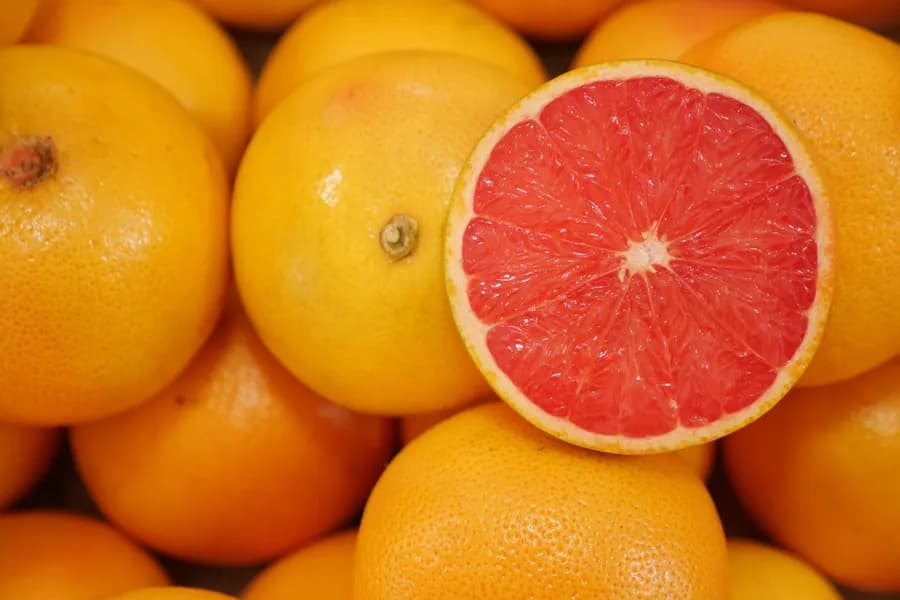
Grapefruit: Nutrition, Benefits and Easy Ways to Use It
Grapefruit can add variety, flavour and useful nutrients to a vegetarian eating pattern. Its exact nutrition depends on the form, serving and preparation.