
How to Improve Memory: Practical Habits and Warning Signs
Memory varies with sleep, stress, attention, mood, medicines, alcohol, hearing and physical health.

Key Takeaways
- Memory varies with sleep, stress, attention, mood, medicines, alcohol, hearing and physical health.
- Activity, sleep, social contact, learning and control of blood pressure and diabetes support memory.
- Short sessions, active recall and spaced review help more than rereading or cramming.
- Sudden confusion, new weakness, speech difficulty or severe headache needs urgent care.
Memory varies with sleep, stress, attention, mood, medicines, alcohol, hearing and physical health. Forgetfulness is not always dementia, but persistent change deserves assessment. This guide covers how to improve memory with everyday habits, what to expect from food and supplements, and which signs need a doctor.
Start with the cause of forgetfulness
Memory lapses can become more noticeable during stress, poor sleep, depression, illness or periods of heavy multitasking. Medicines, alcohol, hearing problems, thyroid disorders and vitamin deficiencies can also affect concentration or recall. This is why advice on how to improve memory should begin with context rather than a supplement. Note when the problem began, whether it is worsening and how it affects daily tasks. Sudden confusion, new weakness, speech difficulty or severe headache needs urgent medical attention.
What supports brain health
Regular physical activity, adequate sleep, social connection, learning and management of blood pressure and diabetes support brain health. No food or supplement guarantees sharper memory.
Many everyday lapses are really problems of attention: information was never properly taken in because the mind was elsewhere. Checking the phone during a conversation or juggling several tasks at once makes this more likely at any age, which is why the habits below focus on attention as well as recall.
Habits that support learning and recall
Regular sleep, physical activity and repeated practice support memory better than last-minute cramming. Break new information into smaller pieces, connect it with something familiar and review it at increasing intervals. Write appointments in one trusted calendar, keep keys and medicines in fixed places, and reduce distractions while learning. These strategies do not create a perfect memory, but they lower the burden on attention and make important information easier to retrieve.
- Use calendars, notes and fixed locations for essentials.
- Learn in short sessions and practise active recall.
- Protect sleep and address snoring or daytime sleepiness.
- Review medicines and mood with a clinician when memory changes.
A simple weekly memory routine
Choose one or two changes rather than attempting a complicated brain-training programme. Keep a regular wake time, schedule brisk walking or another suitable activity on most days, and practise one memory task that relates to real life. You might recall a short shopping list, study a language or explain something you read to another person. Retrieval strengthens learning more than repeatedly rereading the same page. Use phone alerts for safety-critical tasks, but also pause and try to recall information before checking. Social conversation, hobbies and new skills can challenge attention without needing a paid app. Protect hearing and vision because difficulty receiving information can look like poor memory. Limit alcohol and review sedating medicines with a clinician rather than stopping them yourself. Track function over several weeks: are appointments easier to remember, and can you follow conversations and complete familiar tasks? This is more meaningful than a game score.
Food helps through overall nutrition

A varied diet supplies the energy and nutrients the brain needs. Build meals around vegetables, fruit, pulses or another protein source, whole grains and suitable fats. Vitamin B12 deserves attention in vegetarian and vegan diets, while iron, folate and thyroid concerns require proper assessment rather than guesswork. No single berry, nut, herb or "brain drink" has been shown to prevent dementia. If a deficiency is confirmed, treating it is different from taking high-dose supplements without a diagnosis.
How to judge memory supplements and claims
Products sold for memory often contain ginkgo, fish oil, brahmi, other herbs or vitamin blends. Large trials of ginkgo in older adults did not show that it prevents dementia, and fish-oil capsules have not reliably improved memory in people without a deficiency. Studies on brahmi are mostly small and short. Herbal and Ayurvedic products can also vary in quality and may interact with blood thinners, diabetes medicines or sedatives.
If you are considering a supplement, check whether the claim comes from human studies or from laboratory work, and tell your doctor or pharmacist what you plan to take. A product that promises rapid results or "brain detox" is a reason for caution, not confidence.
Warning signs and when to get checked
Seek prompt assessment for sudden confusion, new weakness, speech difficulty or severe headache. Progressive memory loss, getting lost or difficulty managing familiar tasks also warrants evaluation.
When a memory check is worthwhile
Seek medical advice when memory changes interfere with work, money, medicines, cooking, navigation or familiar conversations, or when family members are concerned. A clinician may review mood, sleep, hearing, medicines and medical conditions before deciding whether testing is needed. For most adults asking how to improve memory, consistent sleep, movement, attention strategies and social engagement are a safer starting point than products promising rapid cognitive enhancement.
What to record before an appointment
Several conditions can produce a similar complaint, so there is no single self-treatment plan. Note when the problem began, examples of what was forgotten, its effect on work, driving and daily tasks, and a list of all medicines and supplements. A family member's observations can be especially helpful. Sudden onset or neurological symptoms may require urgent care.
Editorial sources
Frequently Asked Questions
Related Articles
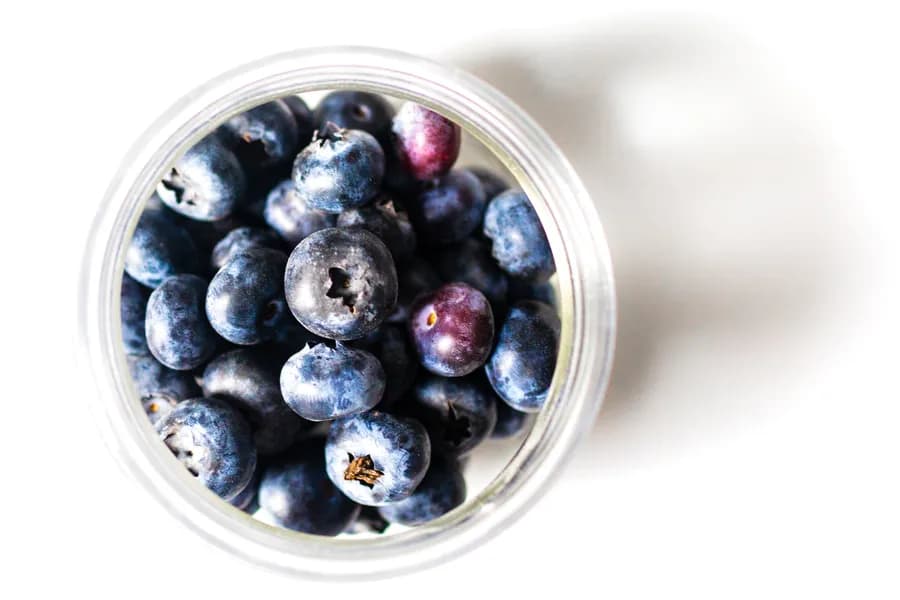
Brain Health Foods: What Actually Supports Memory and Focus
Foods rich in omega-3 fats, antioxidants, and specific B vitamins support the structures your brain relies on daily — though they work best as a.

Vegetarian protein: needs, myths and meal planning
Vegetarian meals can provide enough protein. Learn practical needs, simple Indian food sources, common myths and an easy meal-planning method.

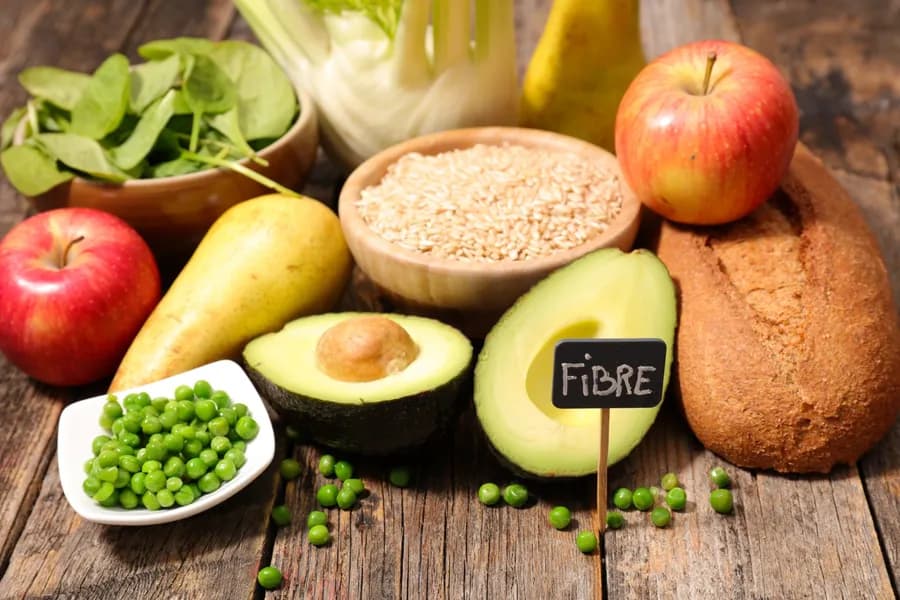
High-Fibre Foods: Simple Indian Meal Ideas
Find high-fibre Indian foods, easy meal ideas, gradual intake tips and practical advice for constipation and daily health.